
Search
Showing results for "early childhood"
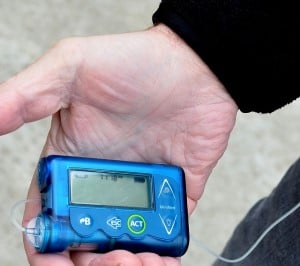
The study involved screening young people to learn more about the development of long-term kidney, eye and cardiovascular complications in adolescents with T1D.
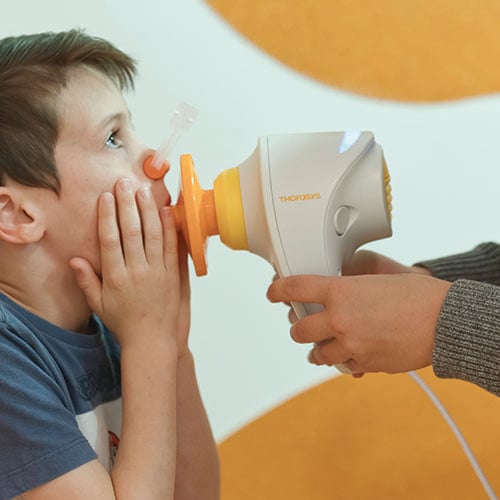
A new study is helping to identify treatment options to improve the lung function of premature babies, after it was determined survivors of preterm birth were at risk of declining lung health.
At The Kids Research Institute Australia, our researchers are working to shift that balance through evidence-based research that supports the health, safety and wellbeing of girls, young women and women at every stage of life.
A new partnership between The Kids Research Institute Australia, Dr George Sim and St John of God Murdoch Hospital will offer essential surgery at no cost for a group of Aboriginal children suffering severe ear infections.

A study of ORIGINS families has revealed a positive aspect to the COVID pandemic, with families found to benefit from the extra time together during lockdowns and mobile devices proving useful for helping them stay in touch with extended family and friends and for activities such as online classes.
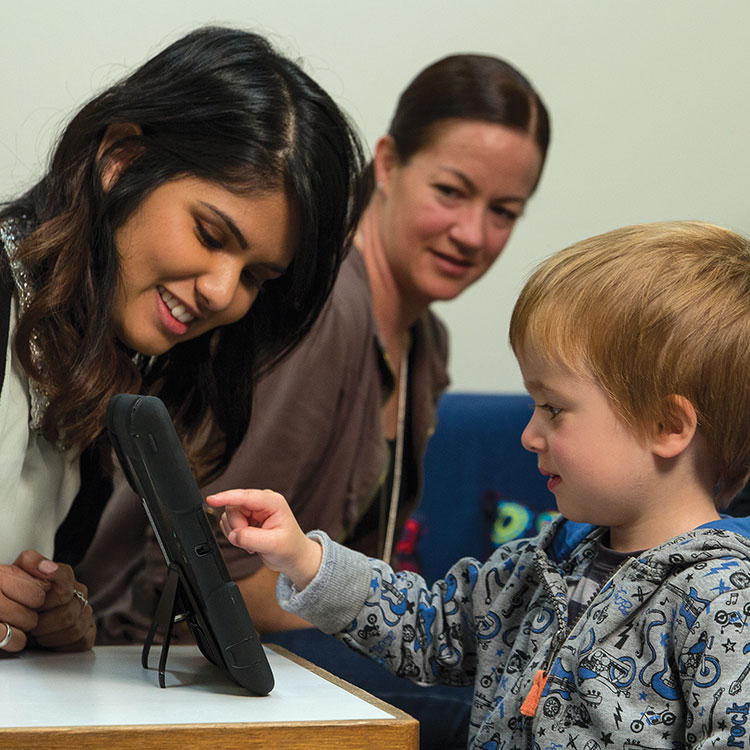
A The Kids Research Institute Australia study has shown that in addition to intervention with trained therapists, children with autism may benefit from app-based therapies.
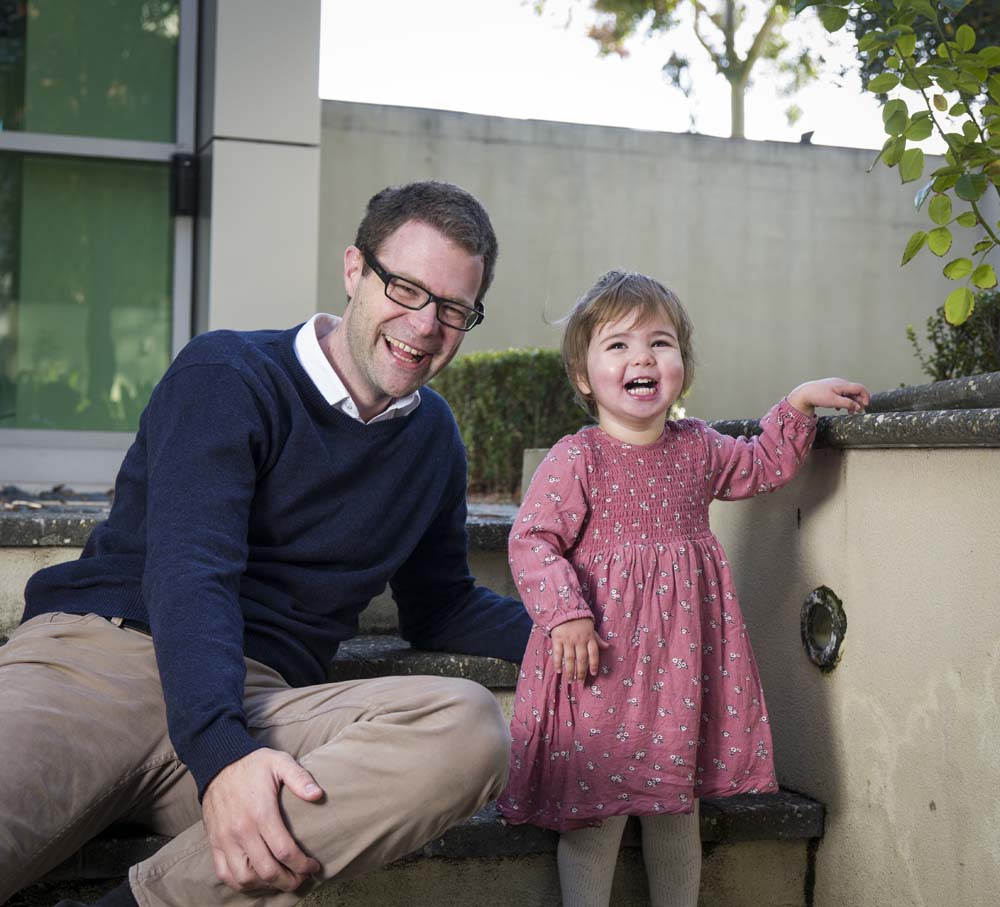
Autism researcher, Professor Andrew Whitehouse from The Kids has been named a finalist in the Eureka Prize for Emerging Leader in Science

World-first immunisations providing protection against deadly respiratory syncytial virus (RSV) could be just months away thanks to global research efforts spanning multiple decades.
There are an estimated 5000 episodes per year of bloodstream infections due to Staphylococcus aureus (golden staph) in Australia and an associated mortality of 20%. Despite this, there is little clinical trials evidence to guide best management.
Staphylococcus aureus bacteraemia (SAB) is the most common cause of sepsis, contributing to paediatric intensive care unit admission in Australia and New Zealand. While deep venous thrombosis (DVT) has been reported in children with invasive S. aureus infections, the actual frequency and possible effects of thrombosis on disease severity and outcome in paediatric SAB remain unknown. Moreover, guidance regarding imaging for paediatric SAB management are poorly defined.