
Search
Showing results for "early lung health"
Undescended testes is associated with an increased risk of testicular cancer and male infertility, and decreased paternity
We provide new evidence to support current guidelines for orchidopexy before age 18 months to decrease the risk of future testicular cancer and infertility
We aimed to: (1) describe the patterns of sedentary time and daily steps and (2) identify the association of individual and environmental characteristitics.
We examined whether there were changes over time in the qualitative and quantitative phenotype of individuals who received the diagnosis of Autistic Disorder.
Positive impact of peer-led home visiting parent support programs, incorporating a framework of partnership between parents and home visitors
Improved survival for children born with Down syndrome over the last 60 years has occurred incrementally, but disparities still exist
This study describes the impact of having a sibling with Down syndrome or Rett syndrome using a questionnaire completed by parents.
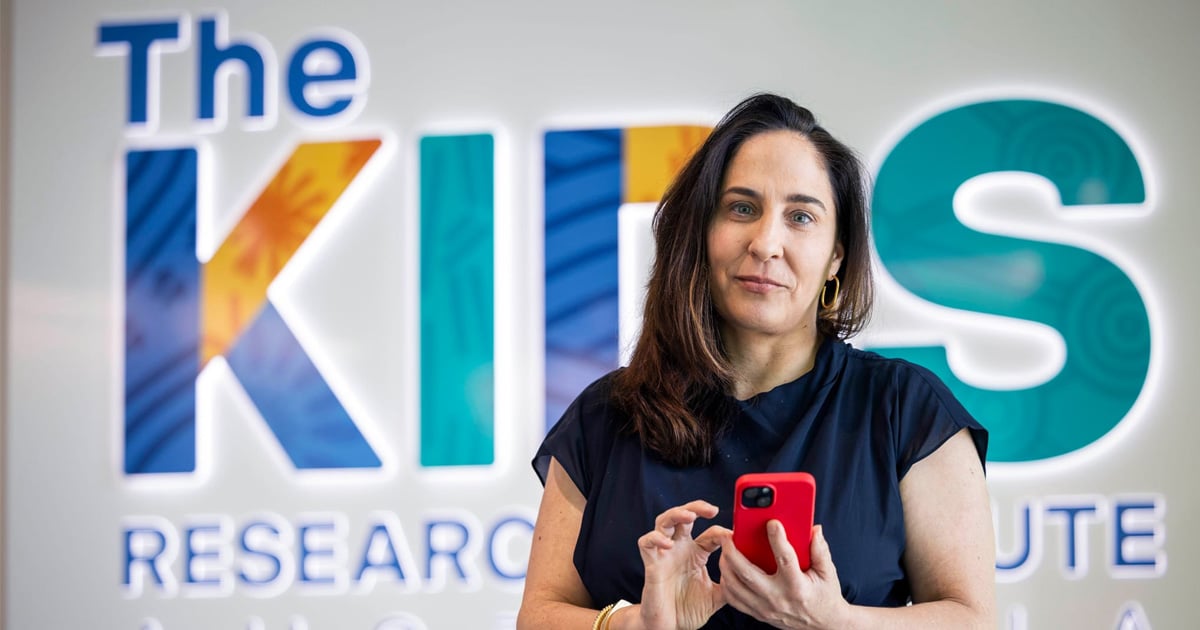
A unique national study to examine the impact of the Federal Government’s social media ban on families is being undertaken by The Kids Research Institute Australia, in collaboration The University of Western Australia and Edith Cowan University.

In Perth, The Kids Research Institute Australia is spearheading global efforts to tackle this insidious bacterium and reduce its impact on kids’ health.
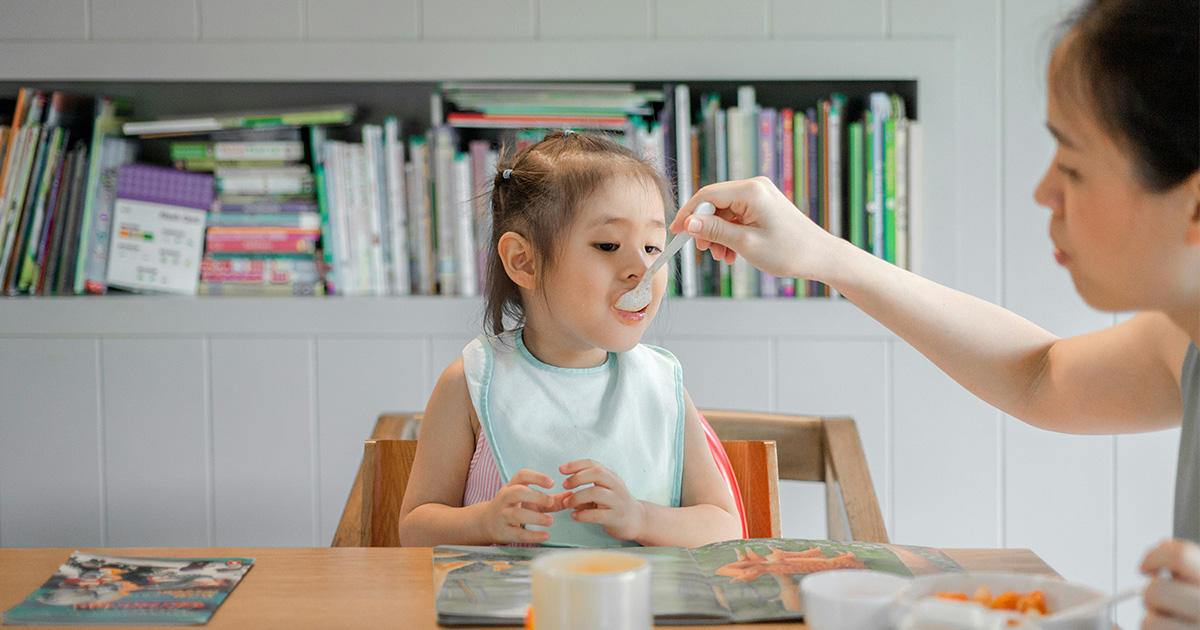
Mothers eating a diet rich in peanuts while breastfeeding might be helping to reduce their baby’s risk of developing a peanut allergy – that’s the hypothesis of a new clinical trial that has been granted $2.29 million in funding by the National Health and Medical Research Council (NHMRC).