
Search
Showing results for "lung disease preterm"
This is your chance to play a vital role in shaping Australia's COVID-19 vaccine program
Contact us If you'd like to get in touch, please contact us by phone or email. Phone: 0400 450 240 Email: rhyme@telethonkids.org.au Background The
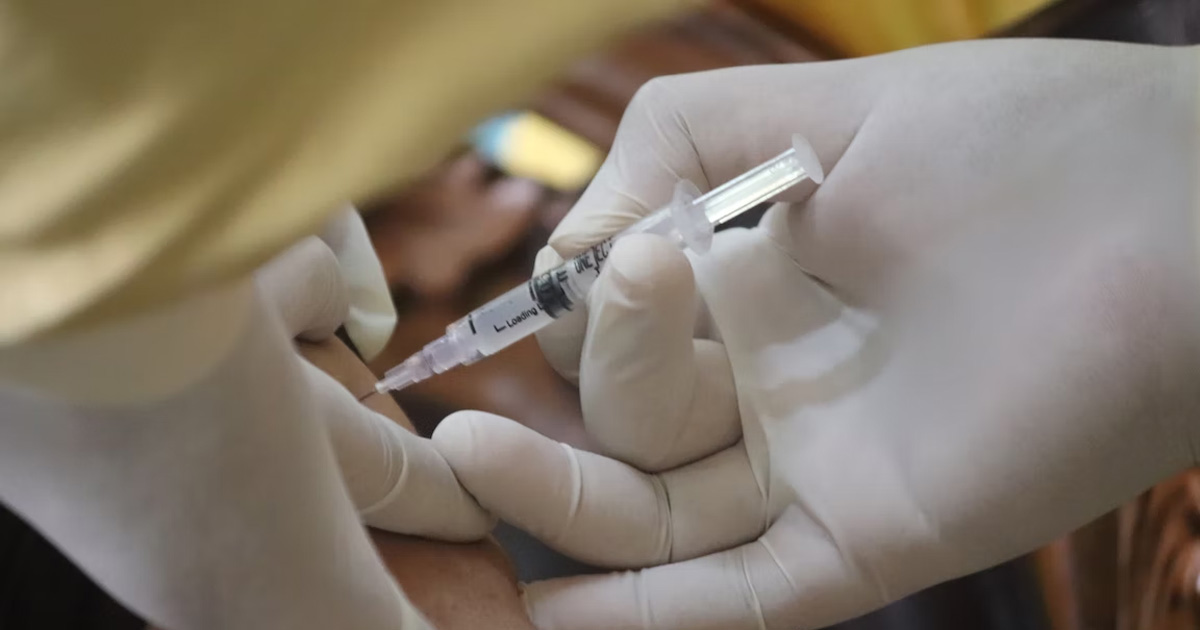
More children across Australia are being vaccinated against the flu since funding was expanded and access widened under the National Immunisation Program
An exciting opportunity based in Adelaide, to support research into language development during the early years.
Community involvement plays an integral role in guiding our research - find out how.
Syphilis remains a global public health concern, particularly in pregnancy due to the risk of congenital syphilis. The WHO recommends benzathine penicillin G (BPG) as the standard treatment in pregnant women, whilst the optimal dosing strategy has not been established, particularly in relation to the impact of gestational age. This study sought to characterize the pharmacokinetics (PK) of a three-dose regimen of intramuscular BPG, given at weekly intervals, in pregnant women with syphilis.
High nasopharyngeal pneumococcal carriage density is associated with severe pneumonia; however, little is known about factors that affect pneumococcal carriage density including pneumococcal vaccination. We describe pneumococcal density by clinical and demographic factors, and effect of 13-valent pneumococcal conjugate vaccine (PCV13) on density in Papua New Guinea (PNG), Lao People’s Democratic Republic (Lao PDR) and Mongolia, 3–6 years following national PCV13 introduction.
The success of cancer immunotherapies has highlighted the importance of monitoring the anti-tumour T cell response. Patients with mesothelioma frequently present with a malignant pleural effusion (MPE) that is commonly drained regularly to alleviate symptoms. As MPE contains tumour cells, T cells and cytokines, it provides a unique opportunity to sample immune events at the tumour site.
While there are many skin infections, reducing the burden of scabies and impetigo for remote living Aboriginal people, particularly children remains challenging. Aboriginal children living in remote communities have experienced the highest reported rate of impetigo in the world and are 15 times more likely to be admitted to hospital with a skin infection compared to non-Aboriginal children.
Chronic tinnitus during childhood/adolescence can be associated with impaired quality of life. Guidelines for managing paediatric tinnitus recommend assessment and interventions are often based upon the experiences and opinions of guideline committee members.