
Search
Showing results for "early lung health"
This study describes the impact of having a sibling with Down syndrome or Rett syndrome using a questionnaire completed by parents.
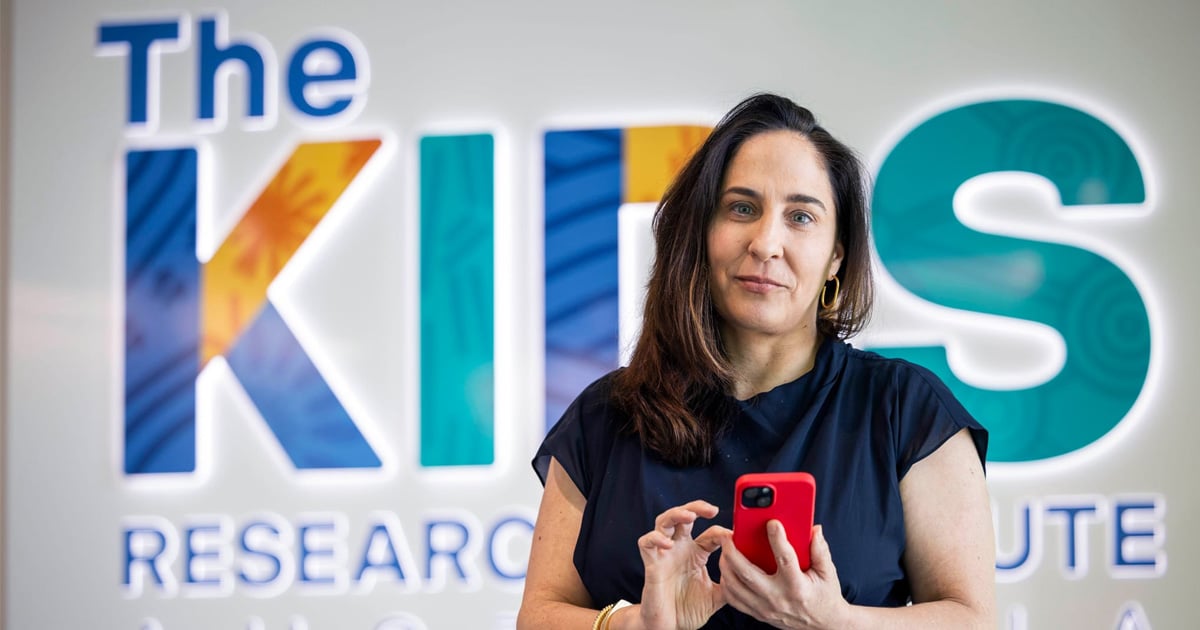
A unique national study to examine the impact of the Federal Government’s social media ban on families is being undertaken by The Kids Research Institute Australia, in collaboration The University of Western Australia and Edith Cowan University.
In Perth, The Kids Research Institute Australia is spearheading global efforts to tackle this insidious bacterium and reduce its impact on kids’ health.
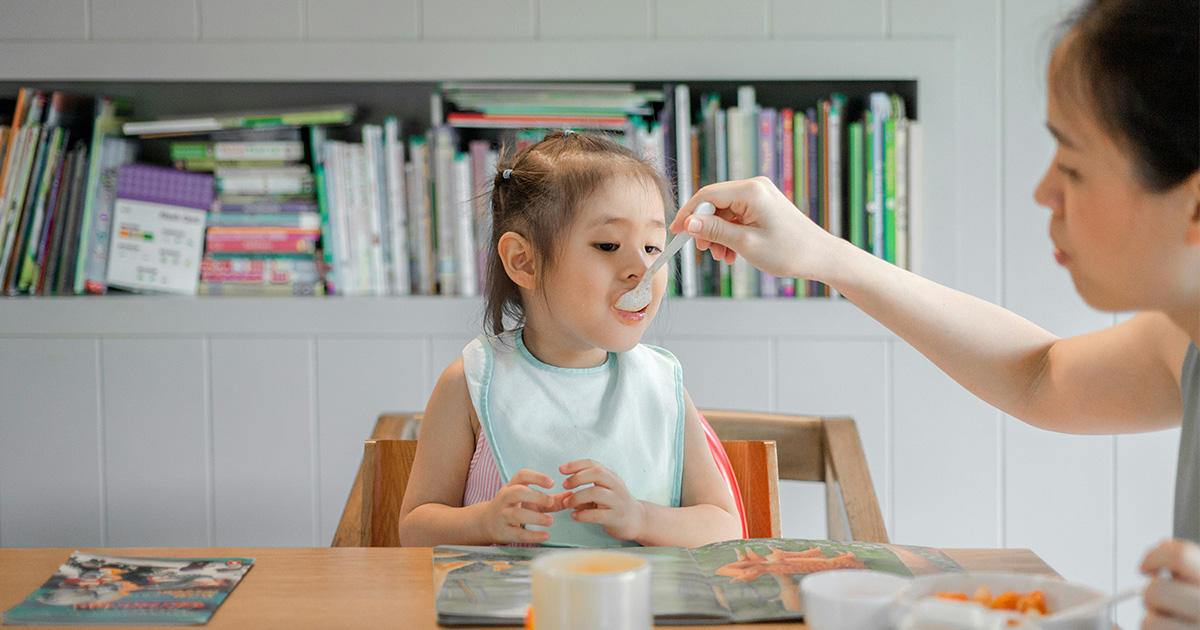
Mothers eating a diet rich in peanuts while breastfeeding might be helping to reduce their baby’s risk of developing a peanut allergy – that’s the hypothesis of a new clinical trial that has been granted $2.29 million in funding by the National Health and Medical Research Council (NHMRC).
Neural tube defects are birth defects of the brain or spinal cord. They happen mostly in the first month of pregnancy before many women know they are expecting.
Melissa Helen O'Donnell Leonard BPsych (Hons), MPsych, GradDip Ed, PhD MBChB MPH Honorary Research Associate Principal Research Fellow +61 419 956
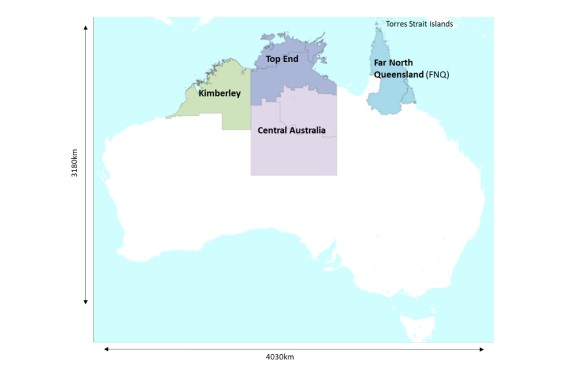
Explore new research on youth-onset diabetes at The Kids' Institute, uncovering insights to improve health outcomes for young patients in Northern Australia.
Controlled human infection (CHI) models can provide insights into transmission of pathogens such as Streptococcus pyogenes (Strep A). As part of the Controlled Human Infection with Penicillin for Streptococcus pyogenes (CHIPS) trial, we explored the potential for transmission among participants deliberately infected with the Strep A emm75 strain.
All children who are receiving therapy for cancer should receive a single dose of PCV13 as soon as possible after diagnosis, regardless of prior PCV exposure.
We unite experts and communities to improve child health through research that has impact, using animals only when no other methods are suitable. We are also a signatory to the ANZCCART Animals in Research Openness Agreement.