
Search
Showing results for "early lung health"
High-frequency oscillatory ventilation (HFOV) is an established mode of respiratory support in the neonatal intensive care unit. Large clinical trial data is based on first intention use in preterm infants with acute respiratory distress syndrome. Clinical practice has evolved from this narrow population. HFOV is most often reserved for term and preterm infants with severe, and often complex, respiratory failure not responding to conventional modalities of respiratory support.
Asthma is the commonest medical cause for hospital admission for children in Australia, affects more than 300 million people worldwide, and is incurable...
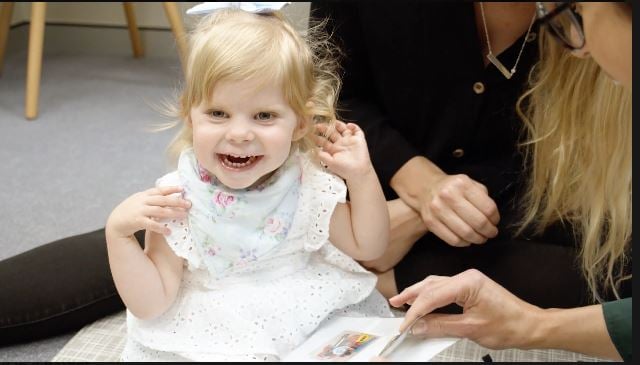
Communicating with and Understanding your Baby
We sought to determine risk factors for the onset of bronchiectasis, using data collected by the Australian Respiratory Early Surveillance Team for Cystic...
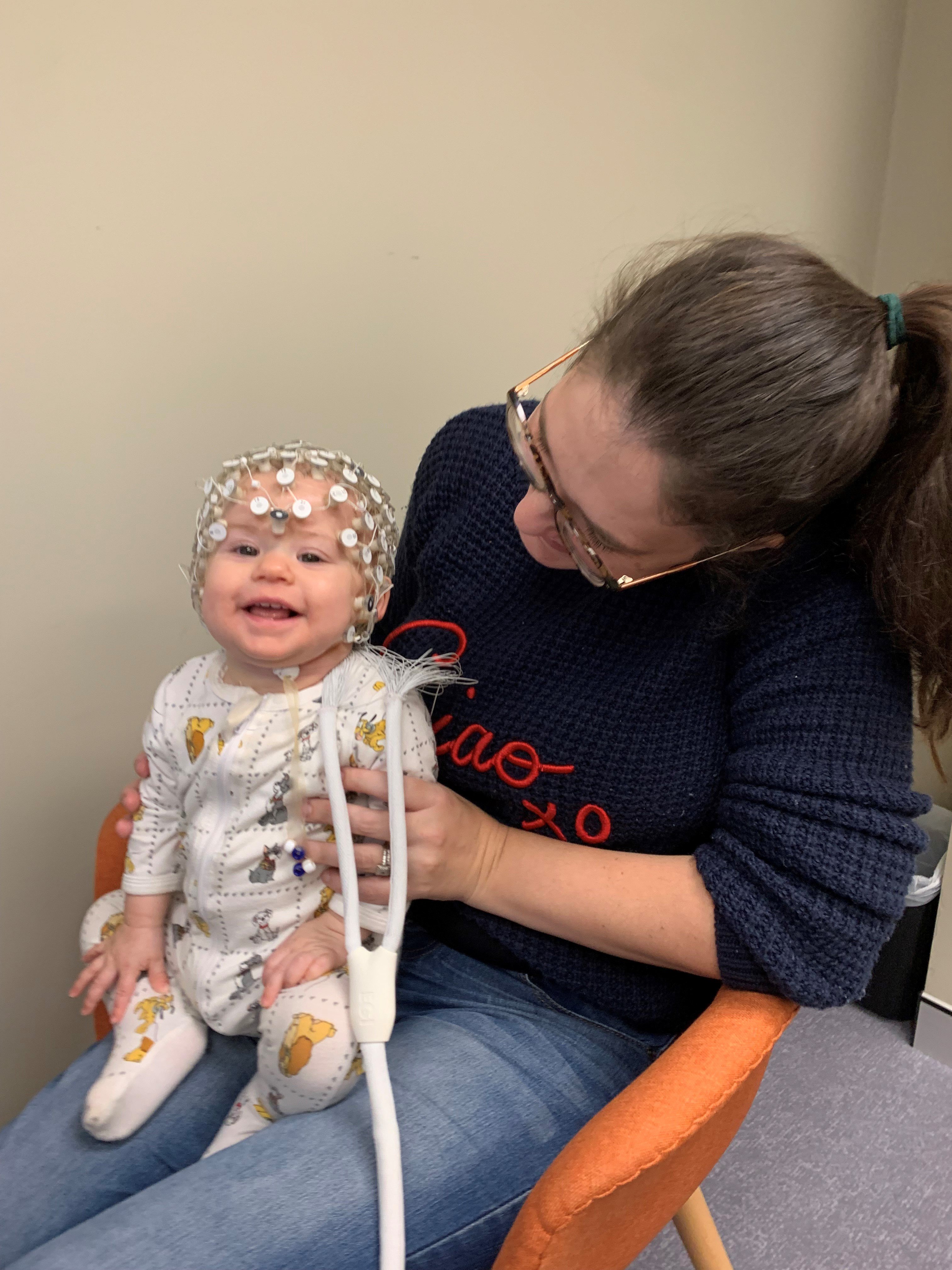
Baby Audrey is involved in the Cub Study at CliniKids.

As WA's first research collaboration dedicated to mental health, we work to do the research that the community wants to see happen.

Research Support Officer
Recent data indicate excessive weight gain in treatment-naive adults with HIV commenced on antiretroviral therapy (ART) regimens containing tenofovir alafenamide (TAF) or the integrase strand transfer inhibitors (INSTIs) dolutegravir (DTG) and bictegravir.

Researchers have found a clear link between the acquisition or loss of a family dog and the level of physical activity undertaken by children in the family, with the impact most noticeable in girls.
Significant variation in practice, particularly for patients with a severe disease phenotype and antibiotic-resistant profile