
erth Children’s Hospital Asthma is a lung disease that results in wheeze, which is heard as high ... However, young children find it hard to do the l…
Heart valve disease (HVD) can cause morbidity and impairment of quality of life (QOL) both before and after intervention. However, descriptions of th…
This study found rhinovirus infection drives necrotic cell death in cystic fibrosis airway epithelial cells
Exhaled breath temperature (EBT) has been proposed for the non-invasive assessment of airway inflammation

Postdoctoral Researcher
Inhalation of asbestos fibres produces persistent oxidative stress and inflammation in lungs.
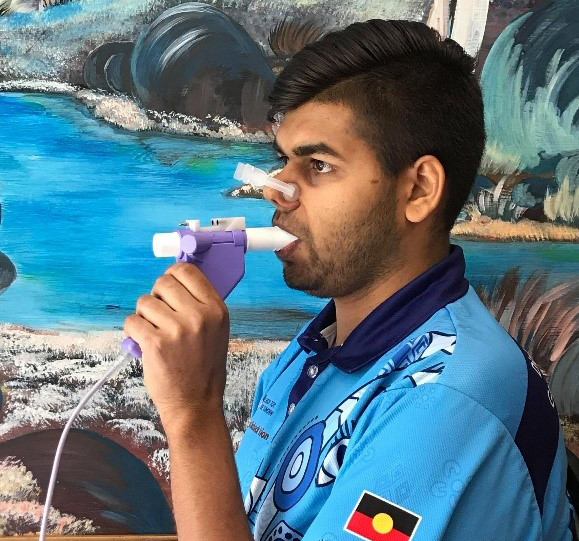
Healthy lungs help you to breathe better. This means you can sleep better, as well as play sports, run and walk without being short winded.

practice, driving a new research agenda for childhood lung health. Bringing together clinicians, scientists

penicillin to prevent rheumatic heart disease and reduce lung disease in kids with cystic fibrosis. The ... Synergy Grant for new research to help pr…

pictures of a large biofilm in fluid collected from the lung of a child with protracted bacterial bronchitis ... at increased risk of progressing to…