
Search
Showing results for "early lung health"
We report the isolation of a bacteriophage with obligately lytic activity against Pseudomonas aeruginosa from wastewater. The reported phage, Minga-mokiny 4, appears to belong to the Schitoviridae family, is of the Litunavirus genus, and has a 72,362-bp genome. No known genes associated with lysogeny, bacterial resistance, or virulence were predicted.
The Kids Research Institute Australia is working to understand how lungs grow and develop in premmie babies, and looking at lung function and air travel.
In human asthma, and experimental allergic airways disease in mice, antigen-presenting cells and CD4(+) effector cells at the airway mucosa orchestrate, and CD4
Asthma affects more than 300 million people worldwide and is frequently associated with other medical conditions in adults, including chronic obstructive pulmonary disease, ischaemic heart disease, and stroke. Despite the huge burden, there has been little progress toward prevention and cure, possibly related to a one-size-fits-all approach.
Equitable SARS-CoV-2 surveillance in low-resource communities lacking centralized sewers is critical as wastewater-based epidemiology (WBE) progresses. However, large-scale studies on SARS-CoV-2 detection in wastewater from low-and middle-income countries is limited because of economic and technical reasons.
Malaria is a deadly disease caused by Plasmodium spp. Several blood phenotypes have been associated with malarial resistance, which suggests a genetic component to immune protection.
Pseudomonas aeruginosa is an opportunistic pathogen. Here, we report the isolation of four bacteriophages from wastewater. All four bacteriophages belong to the Myoviridae family.
The epidemiology of invasive meningococcal disease has changed over the last decade and there has been an increase in cases caused by serogroup W135, particularly in Indigenous children. Extra‐meningeal and atypical presentations are associated with serogroup W and may delay diagnosis and therefore appropriate treatment. Public and clinician awareness are essential in facilitating effective new vaccine schedule implementation.
The Australian and New Zealand Paediatric Infectious Diseases (ANZPID) Group of the Australasian Society for Infectious Diseases (ASID) calls for urgent consideration of the needs and voices of children in response to the COVID-19 pandemic, and in planning for future pandemics.
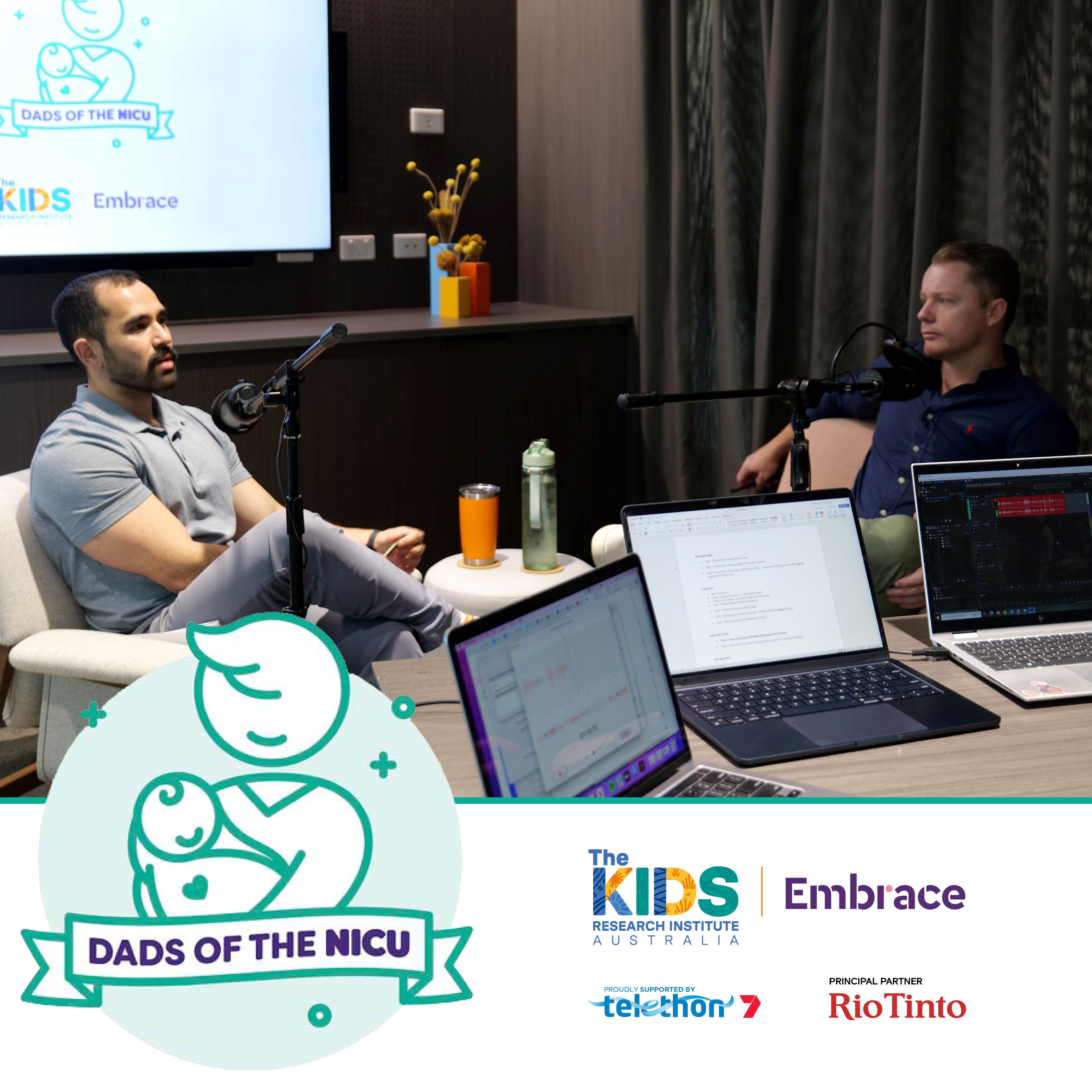
Dr Vincent Mancini interviewed by Dads of the NICU host Matt Bialkowski.