
Search
Showing results for "early lung health"
The MACROD2 gene is a strong positional candidate risk factor for autistic-like traits in the general population
This qualitative study of parental interviews provided a preliminary examination of whether behaviours consistent with the BAP may have been exacerbated by...
An apparent paradox in the field of neuropsychology is that people with atypical cerebral lateralization do not appear to suffer any cognitive disadvantage,...
Two competing theories address the influence of foetal testosterone on cerebral laterality: one proposing exposure to high foetal testosterone concentrations...
The first comprehensive analysis of the clinical effects of genetic mutations involved in Rett syndrome

Learn about the findings from the LiLo study.

It was during a time of grief that John Mearns was inspired to make a difference.
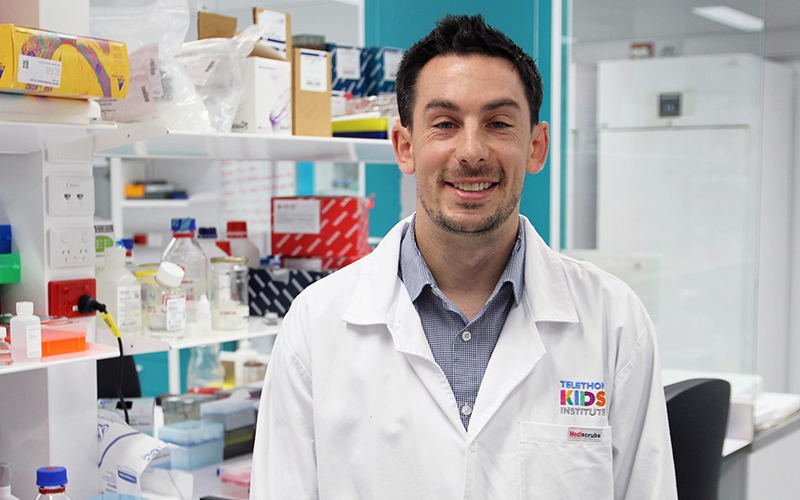
Cancer Council WA has awarded a Post-Doctoral Fellowship to Dr Ben Wylie, for his project to help kids with sarcoma.

New research has found children who are born even slightly premature or underweight are more likely to be hospitalised with an infection during their childhood
Neurodevelopmental disorders (NDDs) have high comorbidity rates and shared etiology. Nevertheless, NDD assessment is diagnosis-driven and focuses on symptom profiles of individual disorders, which hinders diagnosis and treatment. There is also no evidence-based, standardized transdiagnostic approach currently available to provide a full clinical picture of individuals with NDDs. The pressing need for transdiagnostic assessment led to the development of the Neurodevelopment Assessment Scale.