
Search
Showing results for "mental health aboriginal"
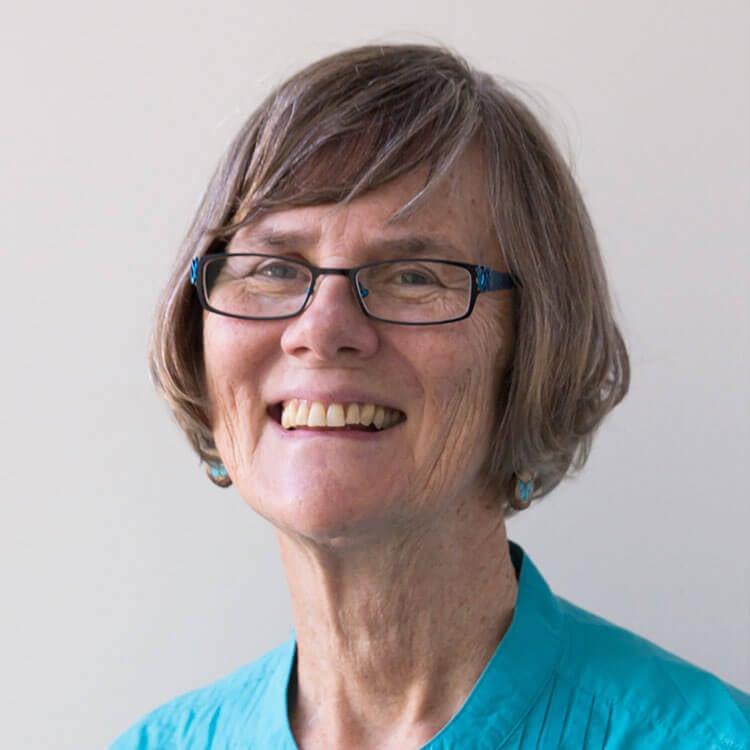
Professor Carol Bower
Senior Principal Research Fellow; Director, FASD Research Australia
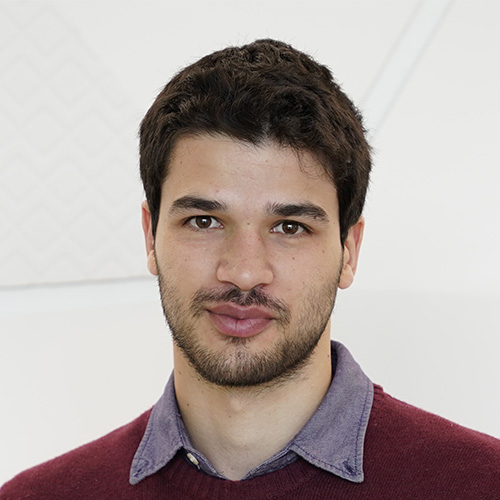
Yuval Berman
PhD Student
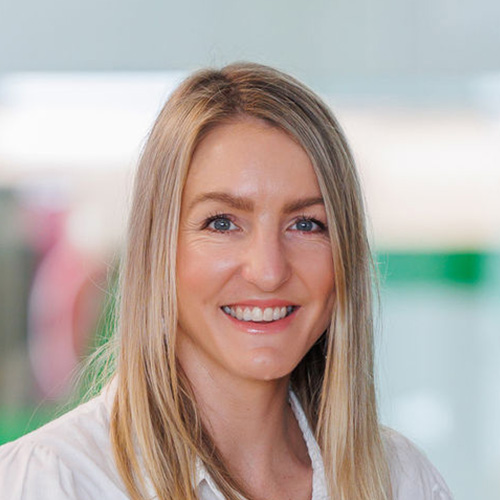
Dr Tiffany Grisbrook
Honorary Research Associate
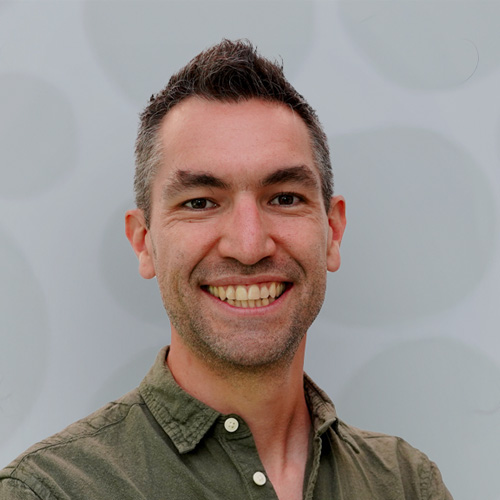
Professor Nick Golding
Honorary Research Fellow

David Hancock
Head, AIR Health Team
Jaqueline Macpherson
Senior Project Coordinator
Dr Claire Shackleton
Program Manager

Dan Weiss
Honorary Research Fellow

The Kids Research Institute Australia welcomes tough new measures to save kids from vaping
The Kids Research Institute Australia strongly supports the Federal Government’s announcement today to introduce a suite of reforms aimed at banning non-prescription vaping products in Australia.
Major funding to transform diabetes management
Congratulations to Professor Liz Davis and her team at the Rio Tinto Children's Diabetes Centre, who have received significant digital health grants through the Future Health Research and Innovation (FHRI) Fund.