
Search
Showing results for "early lung health"
Data on risk factors for respiratory syncytial virus (RSV)-associated hospitalisation in Australian children may be informative for preventive measures.
Skin scar formation following Bacille Calmette-Guérin (BCG) or smallpox (Vaccinia) vaccination is an established marker of successful vaccination and 'vaccine take'. Potent pathogen-specific (tuberculosis; smallpox) and pathogen-agnostic (protection from diseases unrelated to the intentionally targeted pathogen) effects of BCG and smallpox vaccines hold significant translational potential.
Urinary tract infections (UTIs) due to MDR organisms are increasingly common. The lack of paediatric data on efficacious antibiotics makes UTI treatment particularly challenging. Data on the efficacy of fosfomycin use for UTI in children are variable.
Following the introduction of jurisdictional maternal pertussis vaccination programs in Australia, we estimated maternal vaccine effectiveness (VE) and whether maternal pertussis vaccination modified the effectiveness of the first 3 primary doses of pertussis-containing vaccines.
Determine the optimal antibiotic choice for lower respiratory tract infection in children with neurodisability.
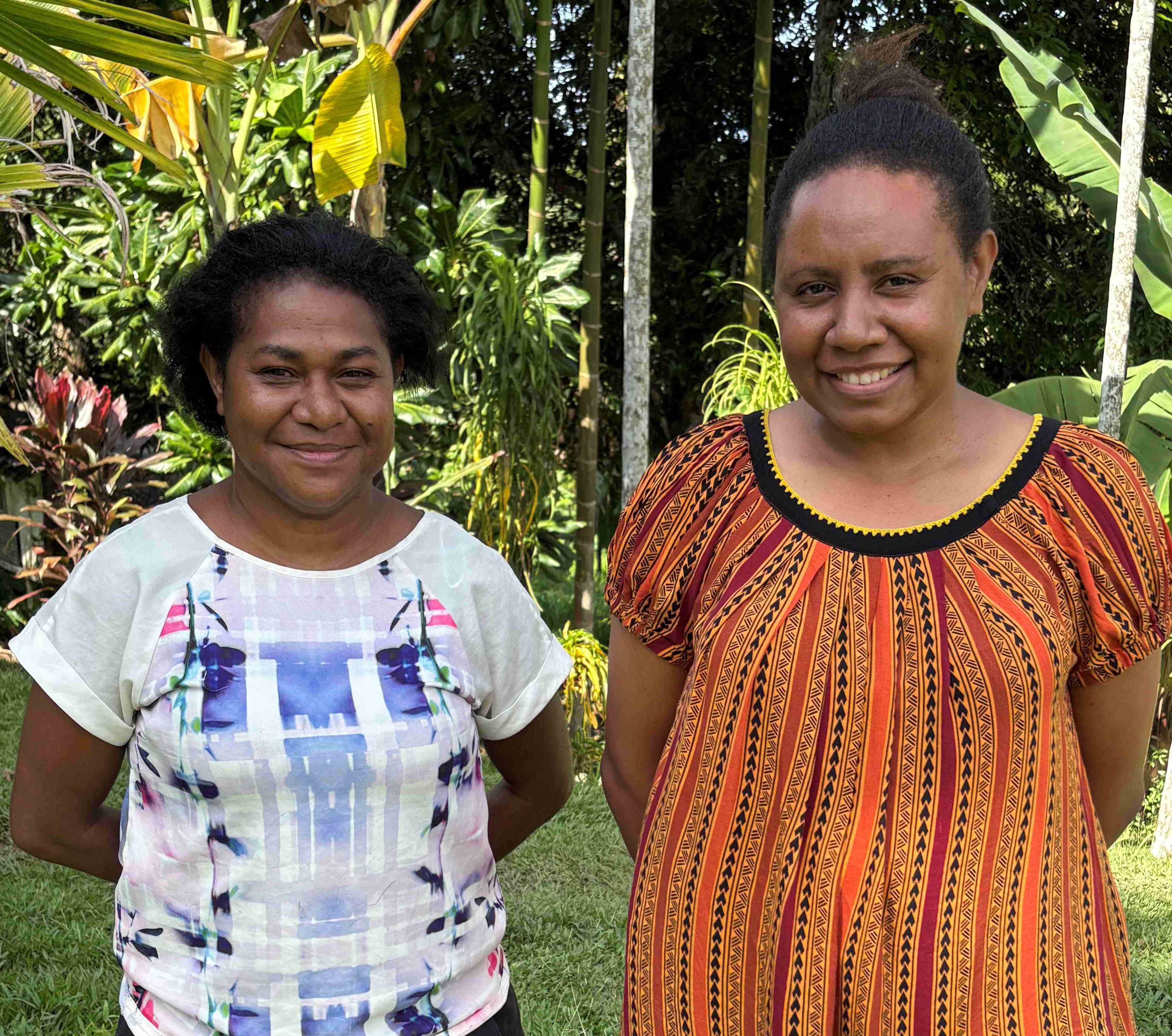
Two infectious disease researchers from Papua New Guinea (PNG) dedicated to reducing rates of childhood mortality in their home country are making significant advances thanks to support from the Deborah Lehmann Research Award (DLRA).

Professor Andrew Whitehouse, the Angela Wright Bennett Professor of Autism Research and CliniKids Director, has been appointed Deputy Director (Research) at The Kids Research Institute Australia.
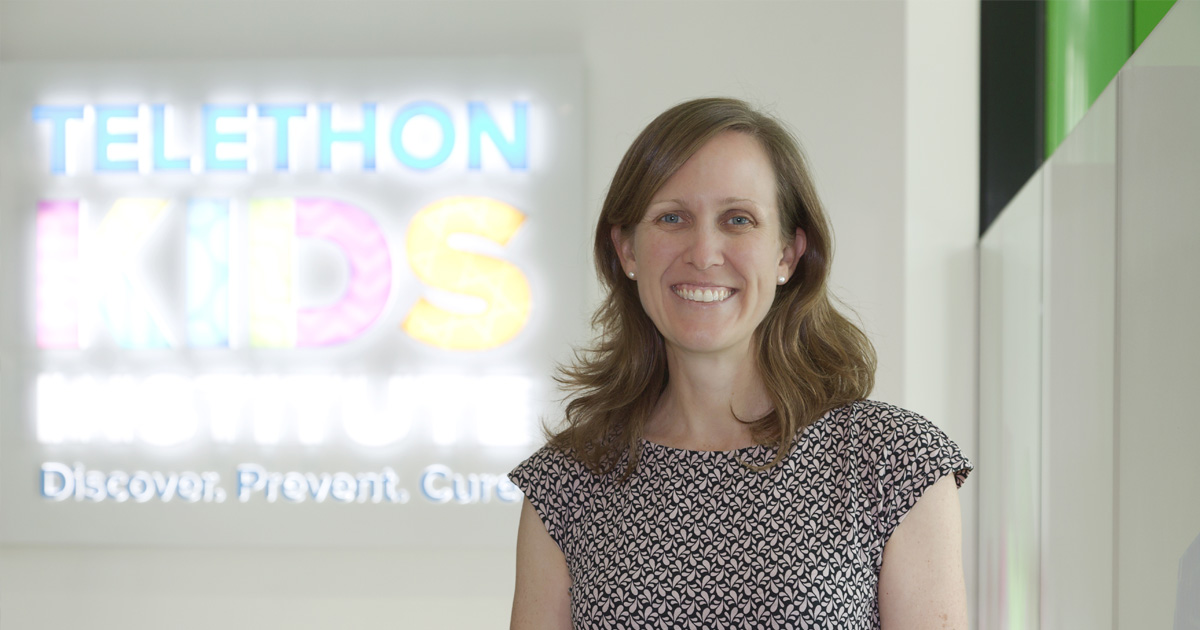
Congratulations to infectious diseases clinician-researcher Professor Asha Bowen, awarded a Medal of the Order of Australia (OAM) in the King’s Birthday Honours List for her service to medicine in the field of clinical diseases.
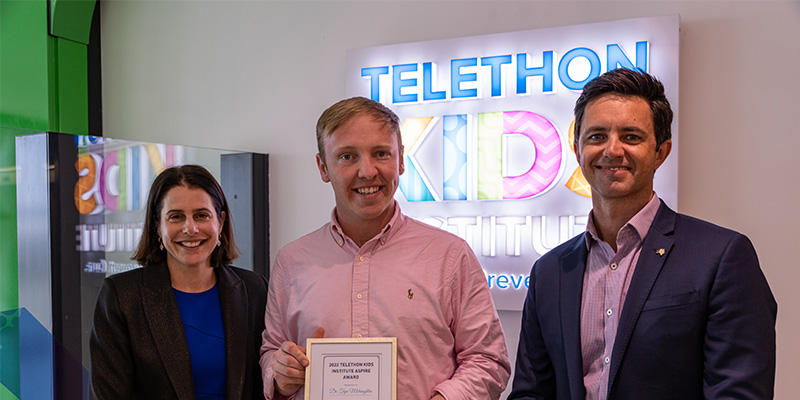
Dr Matthew ‘Tepi’ Mclaughlin is the 2022 The Kids Research Institute Australia Aspire Award winner - coordinated by Western Australia’s peak body for business events, Business Events Perth.
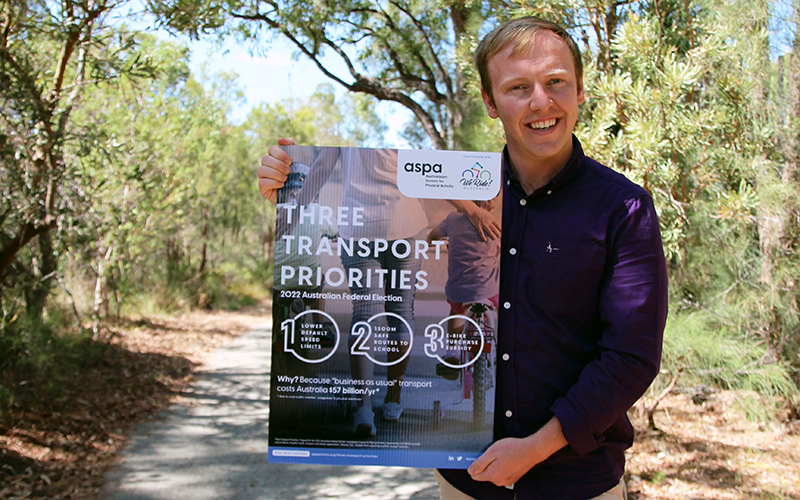
The Kids Research Institute Australia has backed a series of transport priorities to keep children safer on the roads, boost physical activity levels, and save the economy billions of dollars.