
Search
Showing results for "mental health aboriginal"
A large proportion of adverse outcomes were attributable to the modifiable risk factors of substance use and assault
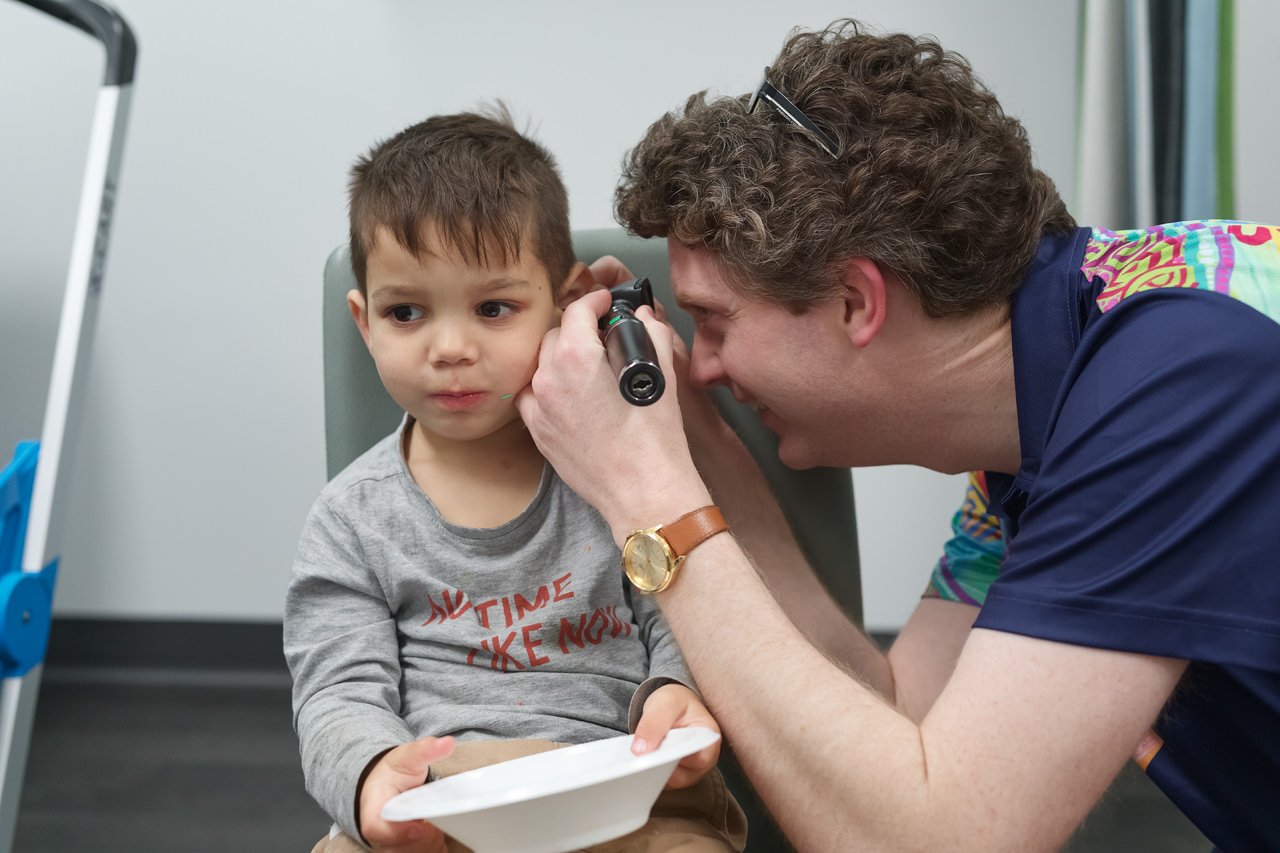
Paediatric audiologist Associate Professor Chris Brennan-Jones has been announced as a finalist for the country’s leading national science awards – the Australian Museum Eureka Prizes.
This population-based study investigated the association of BMI and other predictors with gestational diabetes mellitus among Australian Aboriginal and non-Aboriginal mothers. We conducted a state-wide retrospective cohort study that included all singleton births in Western Australia between 2012 and 2015 using population health datasets linked by the Western Australian Data Linkage Branch.
The Report summarises the evidence-base for what works in Indigenous community-led suicide prevention
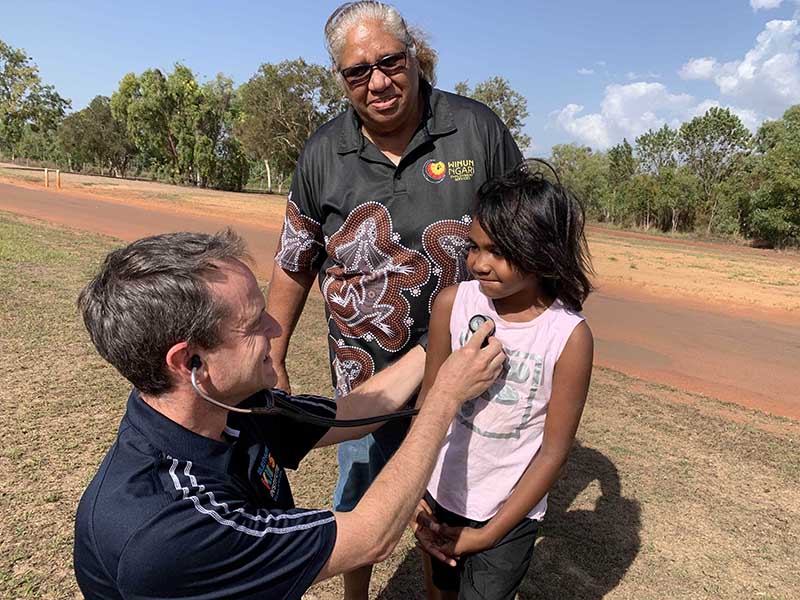
The Kids Research Institute Australia and Perth Children’s Hospital clinician-researchers have found more than one in ten children across four remote Kimberley communities have protracted bacterial bronchitis.
The purpose of this paper is to highlight a perspective for decolonizing research with Australian First Nations and provide a framework for successful and sustained knowledge translation by drawing on the recent work conducted by a research group, in five remote communities in North-Western Australia.
Children with neurodevelopmental disorders share common phenotypes, support needs and comorbidities. Such overlap suggests the value of transdiagnostic assessment pathways that contribute to knowledge about research and clinical needs of these children and their families.

A Lancet-published review of the evidence around the use of gender-affirming hormones and surgery in trans children and adolescents has found such interventions can lead to a marked improvement in mental health outcomes and quality of life.
The Building Out Bullying project is funded by Healthway and aims to generate policy-relevant evidence, system-level guidelines, and school-based interventions to improve the bullying behaviour and mental health of children attending primary and secondary school in Western Australia.
The current results highlight the urgent need for better mental health care and provide insight into areas for targeted mental health interventions