
Search
Showing results for "early lung health"
The Rio Tinto Children’s Diabetes Centre acknowledges the importance of those living with type 1 diabetes (T1D), those that care for them and the type 1 diabetes community (T1D community) in sharing your lived-experience.
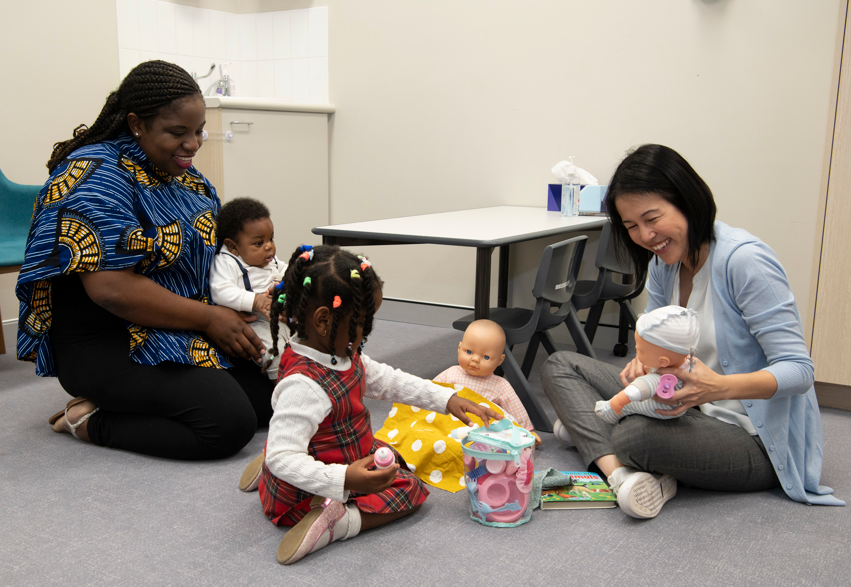
In this blog, Speech Pathologist Linda Arabi discusses the social model and how it influences the supports we provide to autistic children and their families.

We earnestly thank every donor and also acknowledge those who prefer to remain anonymous.
To describe the prevalence of eating disorder symptoms among adolescents seeking gender-affirming care.
We aimed to assess and identify any gaps in antimicrobial stewardship resources and activities for all hospitalised children in Australia pre- and post- the COVID-19 pandemic
Multiple SARS-CoV-2 variants have emerged over the COVID-19 pandemic. The implications for COVID-19 severity in children worldwide are unclear. The objective was to determine whether the dominant circulating SARS-CoV-2 variants of concern (VOCs) were associated with differences in COVID-19 severity among hospitalized children.
SARS-CoV-2 infection is associated with a significant risk of hospitalisation, death, and prolonged impact on quality of life. Evaluation of new treatment options and optimising therapeutic management of people hospitalised with SARS-CoV-2 infection remains essential, but rapid changes in pandemic conditions and potential therapies have limited the utility of traditional approaches to randomised controlled trials.
Congenital cytomegalovirus (cCMV) is an important cause of long-term childhood disability. In Australia, the identification and treatment practices and the long-term clinical and neurodevelopmental outcomes of children with cCMV are unknown.
Life-threatening invasive infections caused by Streptococcus pyogenes and Streptococcus dysgalactiae subsp. equisimilis (SDSE) are unpredictable, frequently fatal, and are increasing in incidence globally. In the absence of evidence from randomized controlled trials (RCTs), clinical management for these conditions varies. Understanding current management approaches and areas of clinical equipoise will inform planning of feasible high-impact RCTs.
Despite several calls for greater inclusion of pregnant people in non-obstetric clinical trials, their systematic exclusion remains common practice. Excluding pregnant individuals from clinical trials may result in unintended consequences such as inadequate treatment of medical conditions in pregnancy, inappropriate dosing of medications, and investigational therapies being used off-label outside of the context of a clinical trial, risking adverse events in the absence of demonstrated efficacy.