
Search

Kai Age 19. Youth advocate, project community member. I am very passionate about LGBTQIA+ research, mental health and homelessness. The first time I
Ruby Age 16. Youth advocate, project community member. Research is important, it provides evidence for care and treatment. Without evidence, there is
Maddie Age 20. Trial participant, project community member, volunteer. Without input from the community, we can't see how our research is impacting
Scott Dad of two, Riley and Georgia. Project community member. Any contribution I can make through community involvement at the Institute is
Nam-Anh Mum of two, Evelyn and Nicolas. Trial participant, project community member. I want to teach my children what it means to be part of a
New research from The Kids Research Institute Australia suggests a simple dietary intervention during pregnancy could help protect against the increased risk of food allergies associated with antibiotics taken before birth.
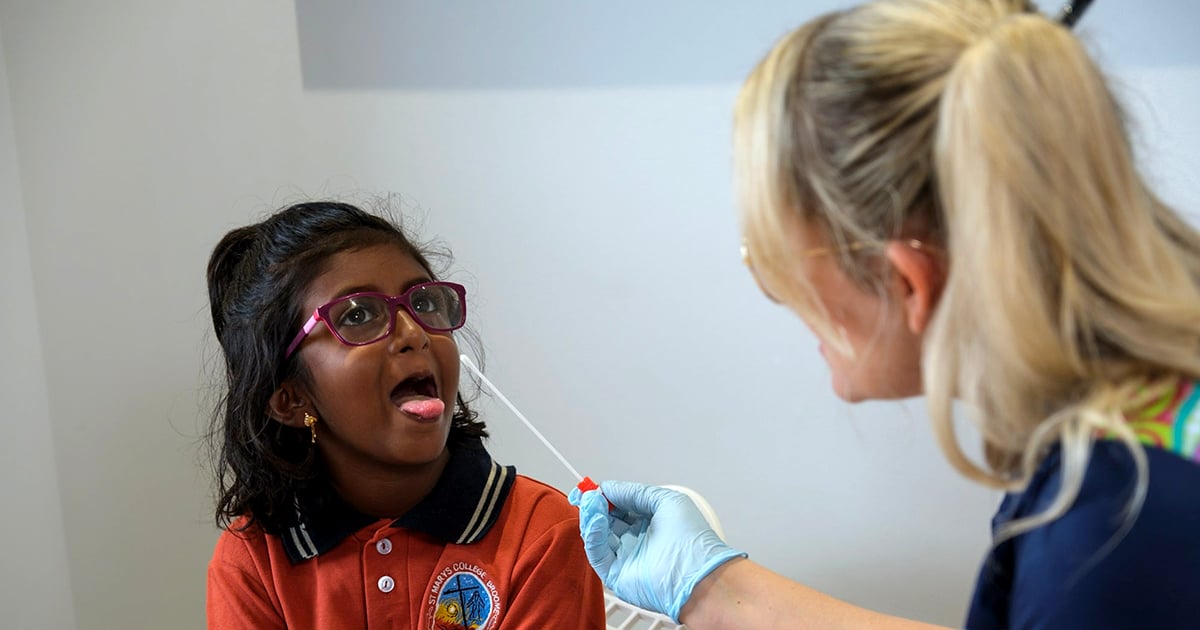
New research has revealed that molecular point-of-care testing (POCT) can significantly improve detection of Group A Streptococcal (Strep A) pharyngitis compared to laboratory culture – particularly in remote communities, where results can take up to seven days – unlocking a major opportunity to prevent rheumatic
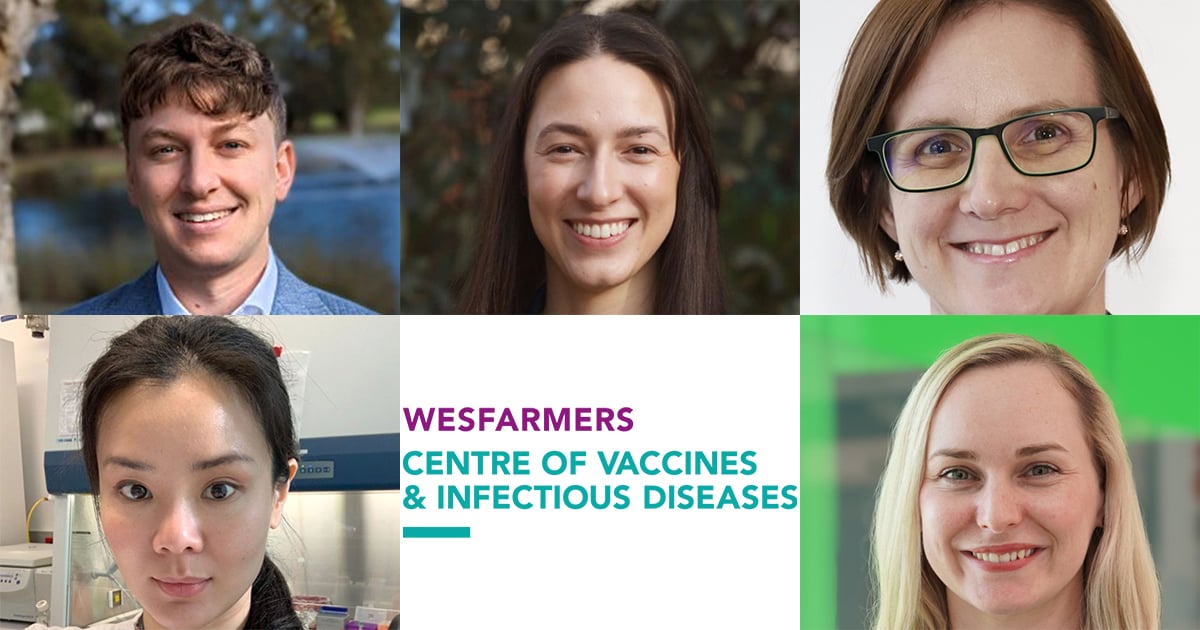
Congratulations to Alec Truswell, Tamara Veselinović, Anastasia Phillips, and Wenna Lee for being awarded Seed Funding through the Wesfarmers Centre of Vaccines & Infectious Diseases, each valued at up to $25,000, and to Sonia McAlister, the recipient of the 2026 Riley Hughes Memorial Award in Pertussis Research.
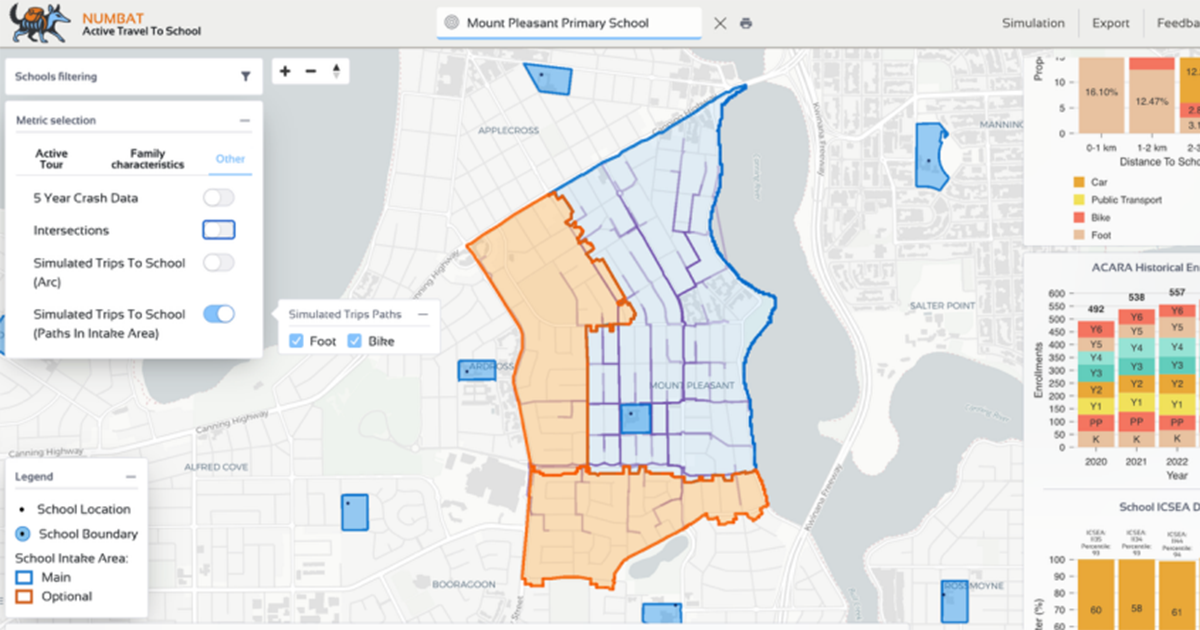
A powerful new digital modelling tool is helping tackle an emerging challenge in children’s health – the dramatic decline in walking and cycling to school.
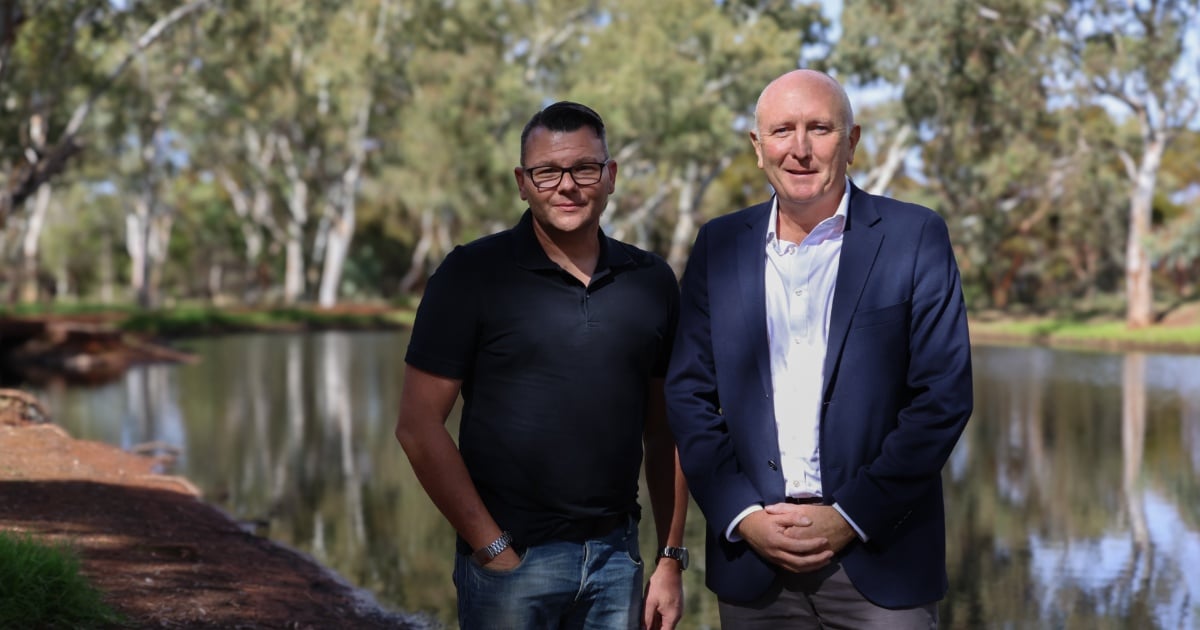
Scientists at The Kids Research Institute Australia are taking their fight against antibiotic- resistant superbugs to the Goldfields working alongside local Indigenous communities and councils.