
Search
Showing results for "early lung health"
We found transient pDC depletion during Pneumovirus infection alone predisposed to severe bronchiolitis in early life and subsequent asthma after reinfection.
A recent study from The Kids Research Institute Australia has revealed some interesting facts about just how important those school attendance days are.
Raelene Nick Endersby Gottardo BSc (Hons) PhD MBChB FRACP PhD Brainchild Fellow; Co-Head, Brain Tumour Research team Co-Head, Brain Tumour Research
Neuroblastoma is a complex childhood cancer of the nerve cells and the most common solid tumour in children outside of the brain. The average age of diagnosis is 1-2 years and tragically 50% of children with high-risk neuroblastoma lose their battle within five years.

Top infectious disease experts in Australia will lead a clinical trial to determine whether combining different Covid-19 vaccines in the nation’s booster immunisation will increase effectiveness.
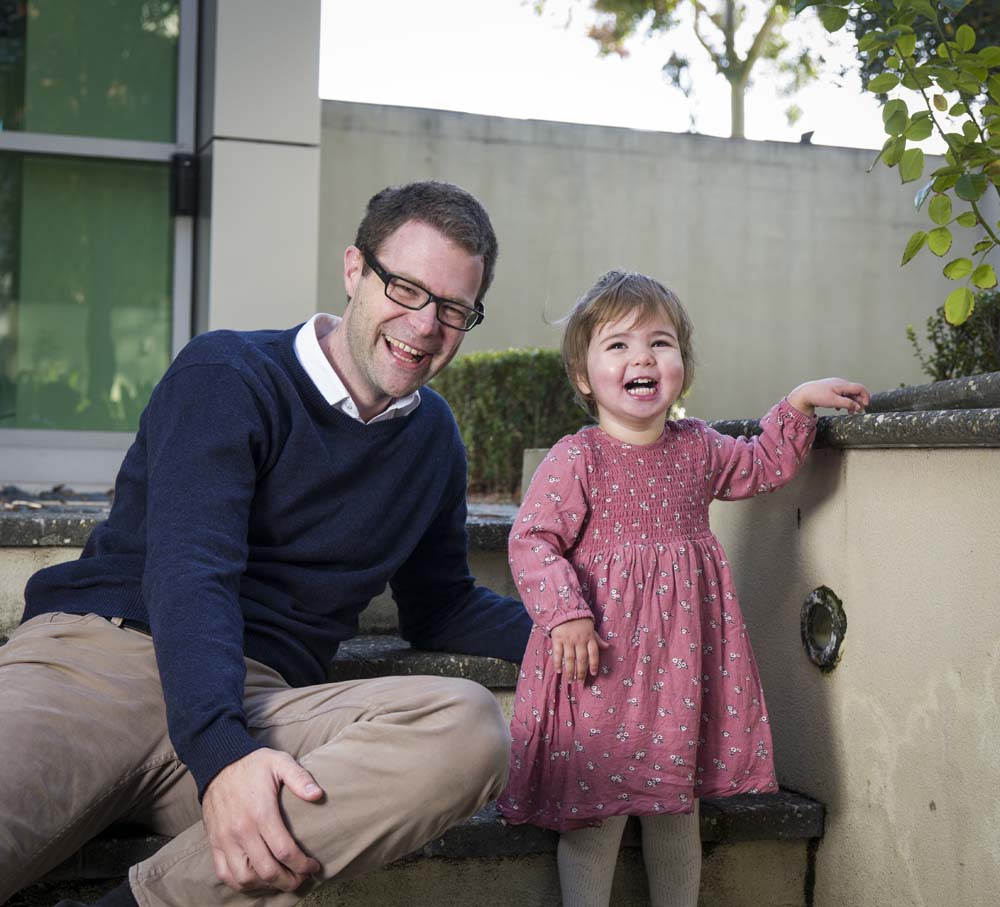
Autism researcher, Professor Andrew Whitehouse from The Kids has been named a finalist in the Eureka Prize for Emerging Leader in Science
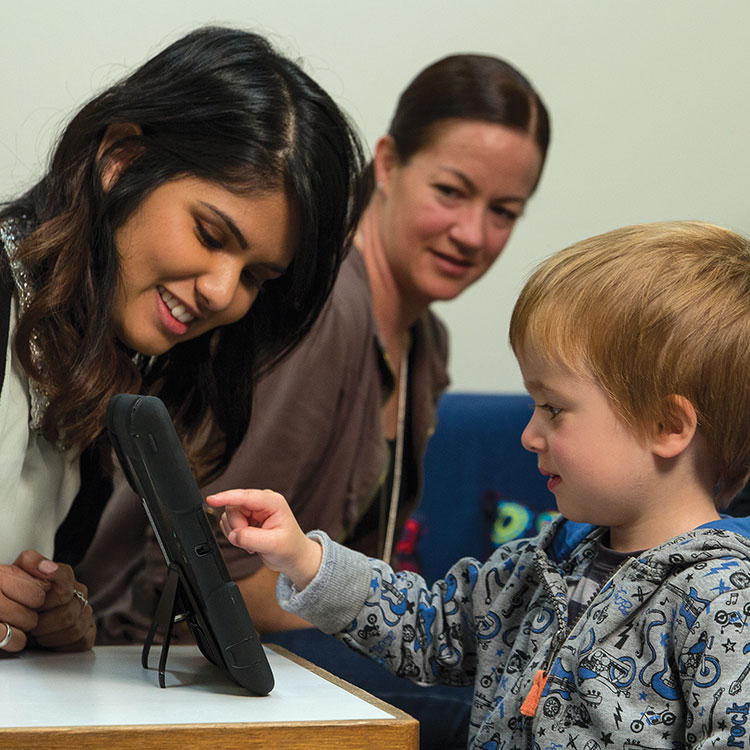
A The Kids Research Institute Australia study has shown that in addition to intervention with trained therapists, children with autism may benefit from app-based therapies.
In the Australian disability context, the assessment of children with neurodevelopmental conditions’ functioning (across all domains) is of increasing importance, particularly since the introduction of the National Disability Insurance Scheme. Currently, there is wide variability across assessment of functioning practices, including the choice and use of published tools for assessment.
To investigate in a population-based pediatric cohort: prevalence of moderate-severe diabetic ketoacidosis at type 1 diabetes diagnosis over two decades and its association with long-term glycemic control.
Autism spectrum disorders are complex, with a strong genetic basis. Genetic research in autism spectrum disorders is limited by the fact that these disorders are largely heterogeneous so that patients are variable in their clinical presentations. To address this limitation, we investigated the genetics of individual dimensions of the autism spectrum disorder phenotypes, or autistic-like traits. These autistic-like traits are continuous variations in autistic behaviours that occur in the general population.