
Search
Showing results for "early lung health"

PhD Candidate
Influenza diagnosis codes had high specificity (98.6%) and modest positive predictive value (PPV; 84.1%) and sensitivity (86.1%) for a laboratory-confirmed...
Christopher Kefyalew Hannah Blyth Alene Moore MBBS (Hons) DCH FRACP FRCPA PhD BSc, MPH, PhD OAM BSc (Hons) GradDipClinEpi PhD Centre Head, Wesfarmers
Children with cochlear implants are at increased risk of invasive pneumococcal disease, with national and international guidelines recommending additional pneumococcal vaccines for these children. This study aimed to examine the pneumococcal immunization status and rate of invasive pneumococcal disease in children with cochlear implants at a tertiary paediatric hospital over a 12-year period.
Long-term hepatitis B immunity has been demonstrated following the completion of the primary vaccination series in childhood. Some guidelines recommend a hepatitis B surface antibody (anti-HBs) directed approach following community-acquired needle-stick injury (CANSI) to inform hepatitis B postexposure prophylaxis (PEP) management.
Western Australia experiences multiple climatic zones, influencing the epidemiology of respiratory viruses. We aimed to estimate the true incidence of respiratory syncytial virus and influenza hospitalizations across these different climatic regions using predictive modelling.
One in four ED presentations in WA children are for ARIs, representing a significant out-of-hospital burden with some evidence of geographical disparity
A summary of the literature regarding the use of adjunctive protein synthesis inhibitors for toxin suppression in the setting of S. aureus infections is presented

Two The Kids Research Institute Australia researchers recognised for their role in building a global database for CDKL5 deficiency disorder are now helping to set the scene for clinical trials of much-needed potential treatments.
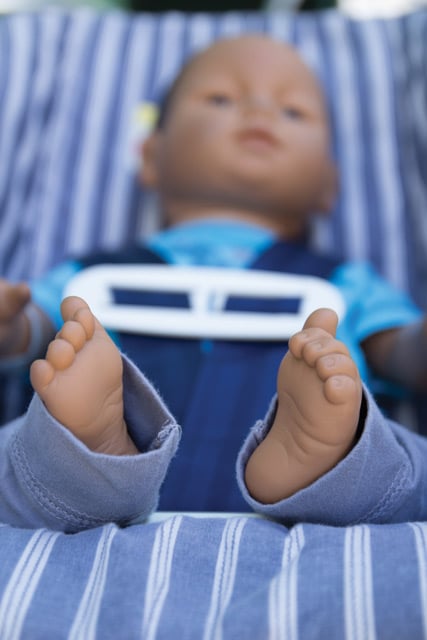
These infant simulators are given to high school students to take care of as part of a teen pregnancy prevention program known as Virtual Infant Parenting.