
Search
Showing results for "early lung health"
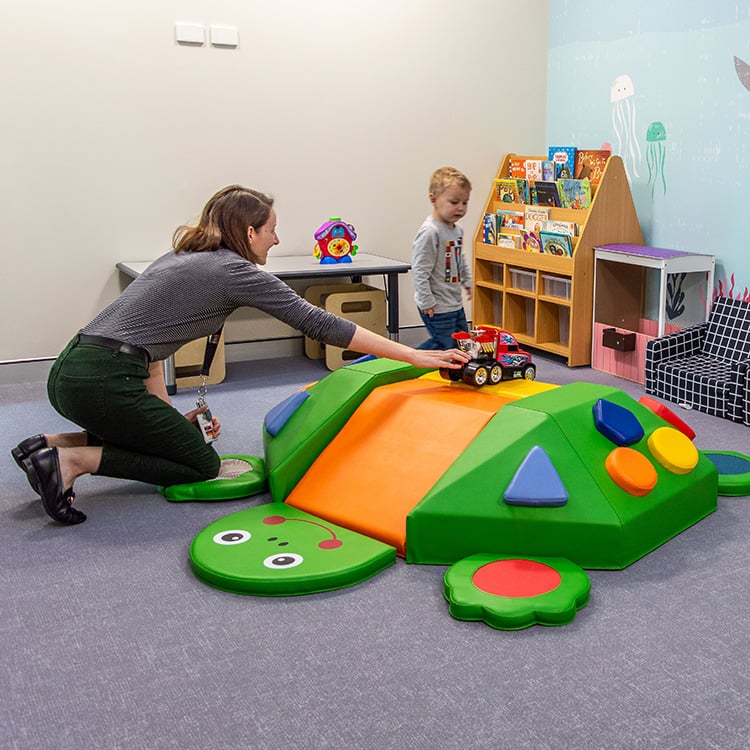
Find out how to access services at CliniKids.
We investigated whether cyanide in bronchoalveolar lavage (BAL) fluid could be used as an early diagnostic biomarker of infection in kids with cystic fibrosis
The Australasian Research Summaries were generated by CoLab for the Evidence for Learning website in partnership with Edith Cowan University and Fraser Mustard Centre.
New research led by The Kids' PhD student Matthew Cooper has found that some children with T1D have an increased risk of developing vascular diseases.
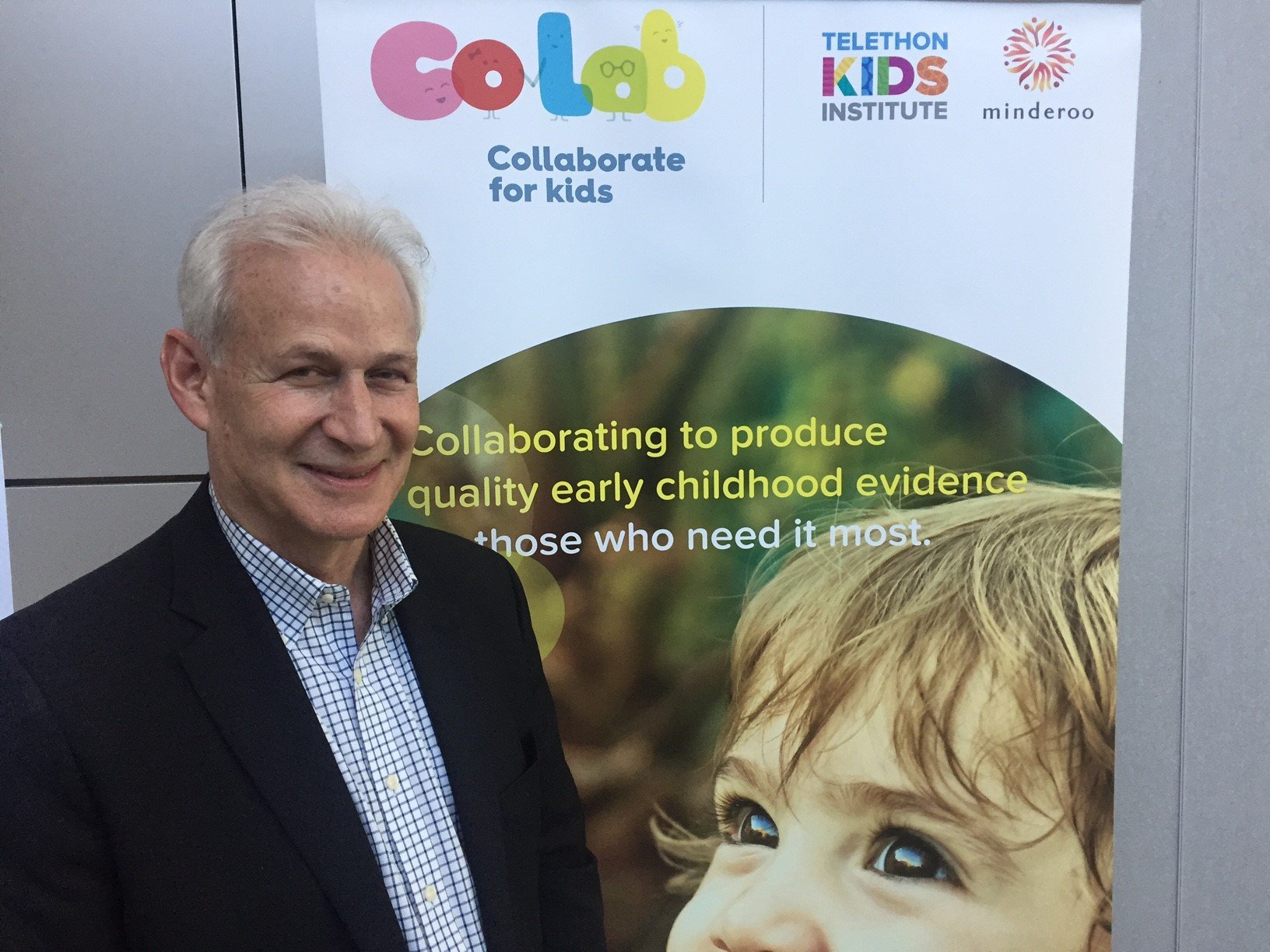
CoLab and Goodstart Early Learning recently supported Child Australia to bring Dr Shonkoff to Perth. Link to his presentations included.
The Third Conversation
The Raine Study is a long-running study looking at the health and well-being of a group of Western Australian families for over 35 years. Participants are at the heart of the study, shaping its research direction and communication. While participants have previously contributed to research grant development, they had not been directly involved in setting the Raine Study’s overall research agenda.
The emergence of Indigenous researchers into the public health research sector presents a challenge to what have traditionally been Western-based research...
Program Manager, Skin Health
Modern precision sequencing techniques have established humans as a holobiont that live in symbiosis with the microbiome. Microbes play an active role throughout the life of a human ranging from metabolism and immunity to disease tolerance. Hence, it is of utmost significance to study the eukaryotic host in conjunction with the microbial antigens to obtain a complete picture of the host-microbiome crosstalk.