
Search
Showing results for "clinical trials"
Inhaled allergens are known for their immediate and ongoing effects in the respiratory tract (RT).
IgE antibodies in house dust mite (HDM) allergy follow a predictable pattern. Half are directed against two dominant allergens and the remainder largely against
To compare the nature & prevalence of mental health problems, prevalence of suicidal ideation & behaviour, & health-related quality of life of 13-17-year-olds..
Carol Melissa Bower O'Donnell MBBS MSc PhD FAFPHM DLSHTM FPHA BPsych (Hons), MPsych, GradDip Ed, PhD Honorary Emeritus Fellow Honorary Research
Tassie Kids will bring together information about what early childhood services families use across the first five years of a child’s life.
As well as specific symptom clusters, psychosis effects important non-symptom domains including social cognition and social-occupational functioning.
The induction of DNA damage has been employed as an anticancer strategy for more than 100years, first starting with the use of radiation to treat stomach cancer followed by the first uses of DNA-damaging chemotherapy to treat childhood leukemia.
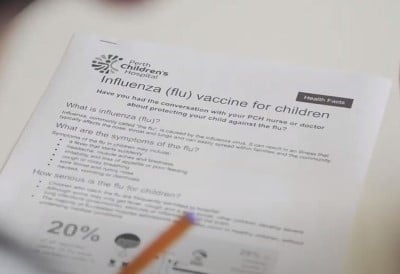
Western Australia has experienced historically low levels of respiratory syncytial virus (RSV) and influenza this winter due to the public health measures implemented to prevent the spread of COVID-19.
Contact us If you'd like to get in touch, please contact us by phone or email. Phone: 0400 450 240 Email: vtg@thekids.org.au PAEDS Paediatric Active
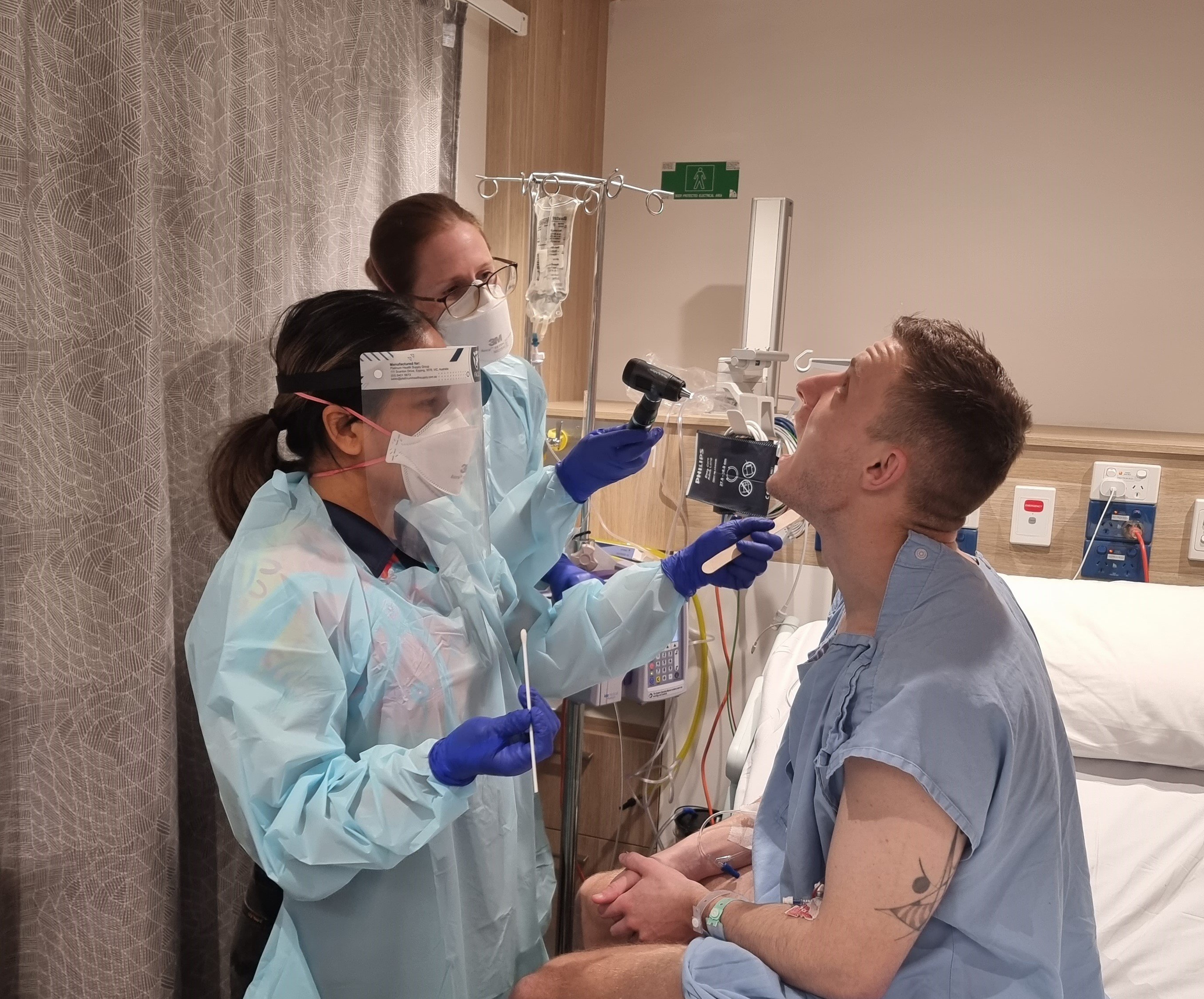
A unique study purposely giving participants Streptococcus pyogenes (Strep A) to learn how much penicillin it takes to prevent infection has found the amount needed is much lower than previously thought – a discovery that will transform thinking on treatment for people living with rheumatic heart disease (RHD).