
Search
Showing results for "Childhood interstitial lung disease "
When investigating whether a variant identified by diagnostic genetic testing is causal for disease, applied genetics professionals evaluate all available evidence to assign a clinical classification. Functional assays of higher and higher throughput are increasingly being generated and, when appropriate, can provide strong functional evidence for or against pathogenicity in variant classification. Despite functional assay data representing unprecedented value for genomic diagnostics, challenges remain around the application of functional evidence in variant curation.
Reliable and detailed data on the prevalence of tuberculosis (TB) with sub-national estimates are scarce in Ethiopia. We address this knowledge gap by spatially predicting the national, sub-national and local prevalence of TB, and identifying drivers of TB prevalence across the country.
The Opportunity The Kids Research Institute Australia is leading the work to end rheumatic heart disease (RHD) as a public health priority for

It was during a time of grief that John Mearns was inspired to make a difference.
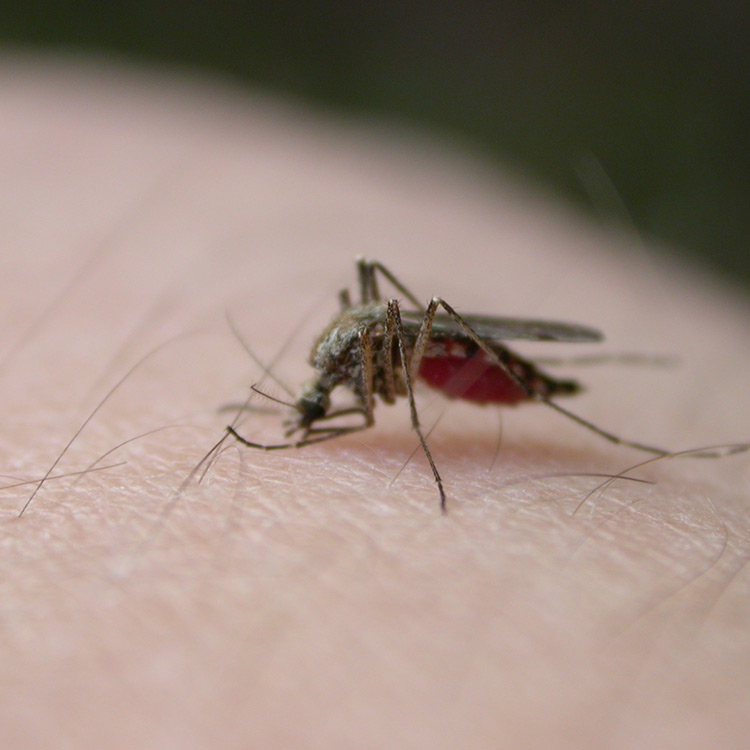
WA Researchers have conducted an Australian-first study to determine the prevalence of microcephaly, in preparation of any future outbreak of the Zika virus.

Young people diagnosed with Type 1 Diabetes are at risk of complications from their diabetes including kidney, heart, eye and vascular disease.
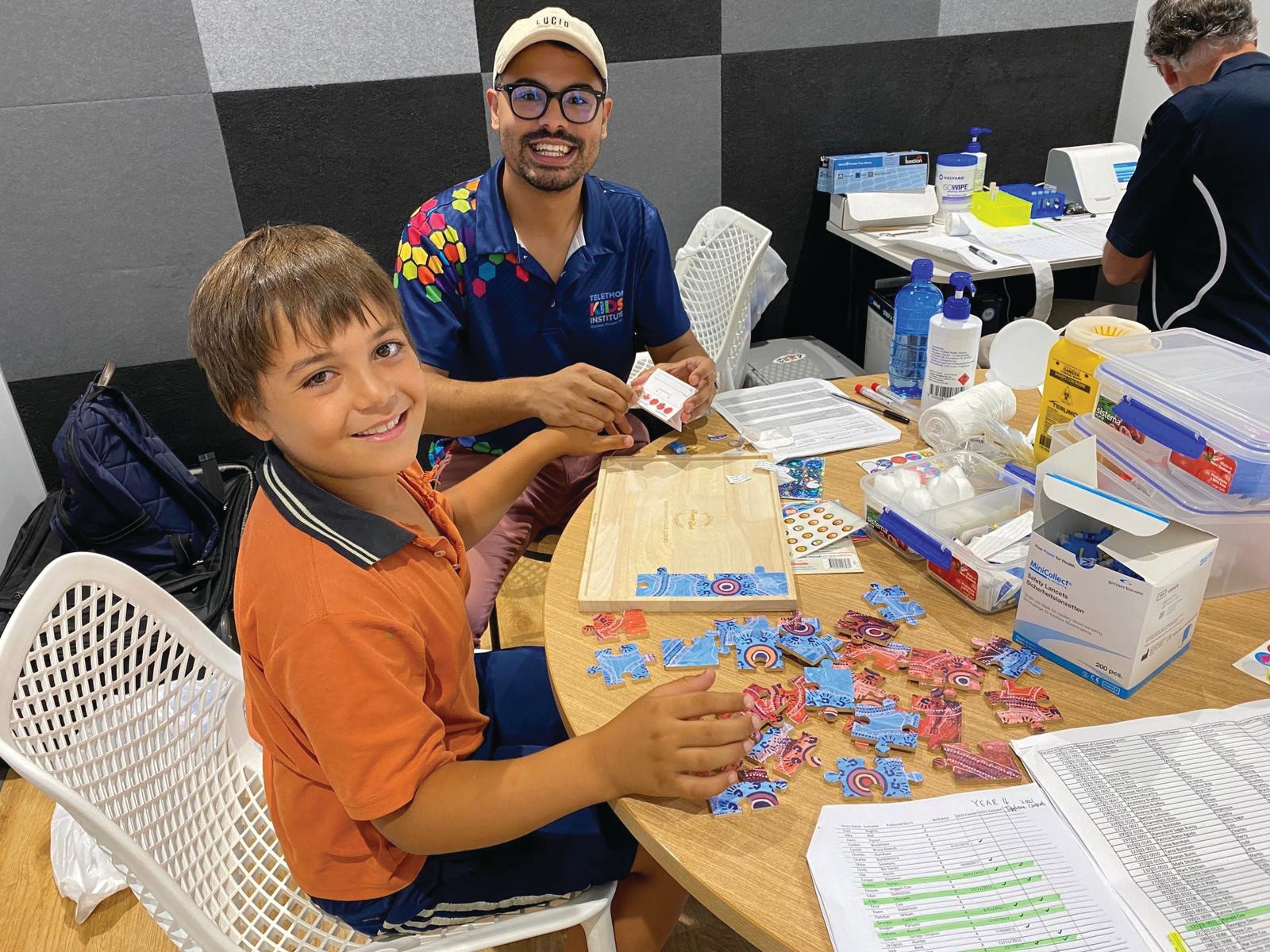
Thanks to research, a six -second test can get the answers that could save a child’s life.

A new research project aims to demonstrate how influenza vaccination in children could be a highly cost-effective health care intervention in Australia.

Aboriginal community members throughout the Kimberley will take a lead role in driving healthy skin messages within their own communities thanks to a major funding boost to The Kids Research Institute Australia’s SToP Trial.
Non-coercive 'nudge' interventions have shown the potential to promote health behaviours. This study aimed to evaluate the impact of nudge interventions on COVID-19/influenza vaccine uptake among children with medically at-risk conditions.