
Search
Showing results for "clinical trials"
National research led by the Wesfarmers Centre of Vaccines and Infectious Diseases, based at The Kids Research Institute Australia, has secured more than $3.4 million to assess the epidemiology of respiratory syncytial virus (RSV) throughout the country and optimise Australia’s immunisation strategy.
In Aboriginal culture, water is life, holding powerful spiritual and cultural significance and acting as a vital source of connection, food and medicine.
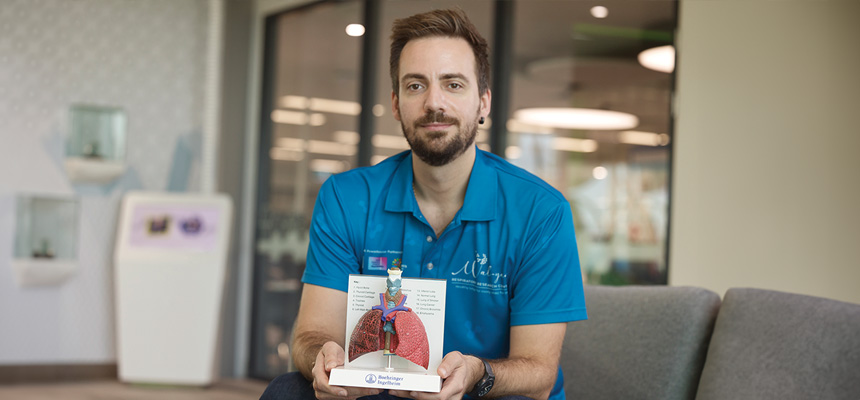
An exciting study is investigating whether a new therapeutic treatment for asthma will protect young sufferers from ongoing lung damage and improve their long-term health outcomes.
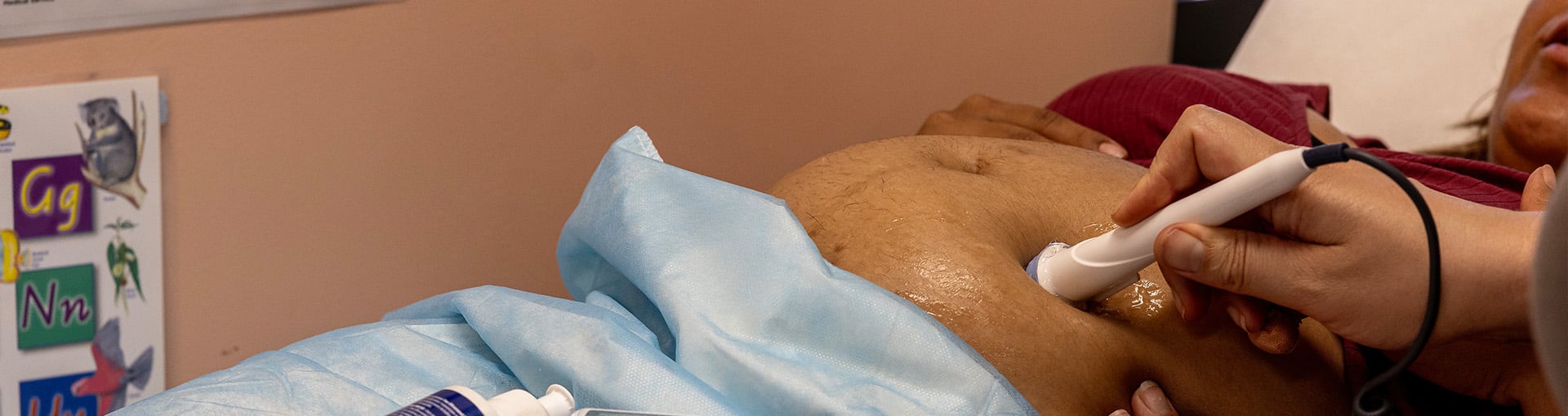
For pregnant Aboriginal women living in WA’s East Pilbara, significant issues systematically impede their pregnancy journey and a safe and healthy start to life for their babies.
In this blog, Clinical Psychology Lead Dr Mei’en Lim offers families advice on how to navigate COVID-19 with an autistic child.

In this blog, Senior Speech Pathologist Sally Grauaug and Speech Pathology Clinical Lead Aria May discuss how daily routines can facilitate the development of your child’s communication skills.
In this blog, research project co-ordinator Rebecca Kuzminski discusses anxiety related to uncertainty, why this is a particular challenge for many autistic children, and new research CliniKids is conducting to help parents support their child with managing uncertainty-related anxiety.
A new ongoing Q & A series focusing on different research themes within the Children’s Diabetes Centre - focus: exercise team.

Caring for a child with type 1 diabetes is challenging, and perhaps even more so when the child is a toddler. Mindful of this and considering the unique needs of families caring for very young children with type 1 diabetes, PCH's Diabetes Clinic is currently
We investigated whether childhood infection-related hospitalisation (IRH, a marker of severity) was associated with subsequent adult CVD hospitalisation.