
Search
Showing results for "mental health aboriginal"
We estimated the global disease prevalence of and mortality due to rheumatic heart disease over a 25-year period
The age-standardized disability-adjusted life years rates in the Eastern Mediterranean Region are considerably higher than the global average.
Adequate resources are needed for maintenance of data quality in acute rheumatic fever/ rheumatic heart disease registers to ensure provision of evidence-based care and accurate assessment of program impact.
A directed approach to the differential diagnosis of acute rheumatic fever now includes the concept of low-risk versus medium-to-high risk populations
In endemic areas, RHD has long been a target of screening programmes that, historically, have relied on cardiac auscultation.

Australia’s biggest longitudinal study following the health and wellbeing of children from their conception through to childhood, has welcomed its 10,000th and final participant.
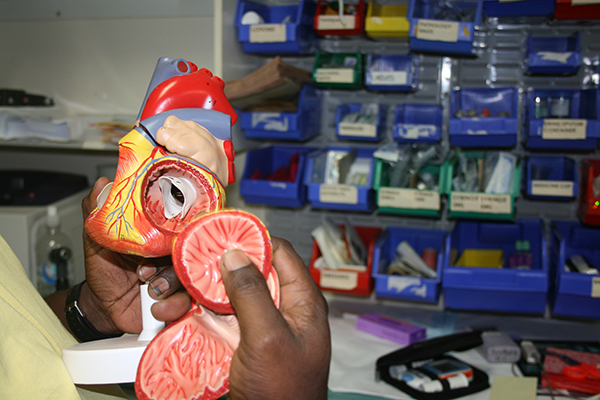
Health activities driven by remote Indigenous communities may be key to the sustainable and successful treatment and prevention of a potentially fatal disease, a study has found.

ORIGINS, a collaboration between The Kids and the Joondalup Health Campus, has achieved a major milestone – recruiting its 1000th family.
NHMRC funding has been awarded for 4 years to Murdoch Childrens Research Institute for this project, with collaboration from Professor Jonathan Carapetis at The Kids.

As your child starts to lose their baby teeth, you now have a special chance to support exciting new areas of child health research