
Search
Showing results for "lung disease preterm"

Researchers from the Rio Tinto Children’s Diabetes Centre, a JDRF Global Centre of Excellence, have been awarded funding through the WA Child Research Fund (WACRF) to undertake research that aims to remove barriers and provide access to the most effective diabetes technologies for all children newly
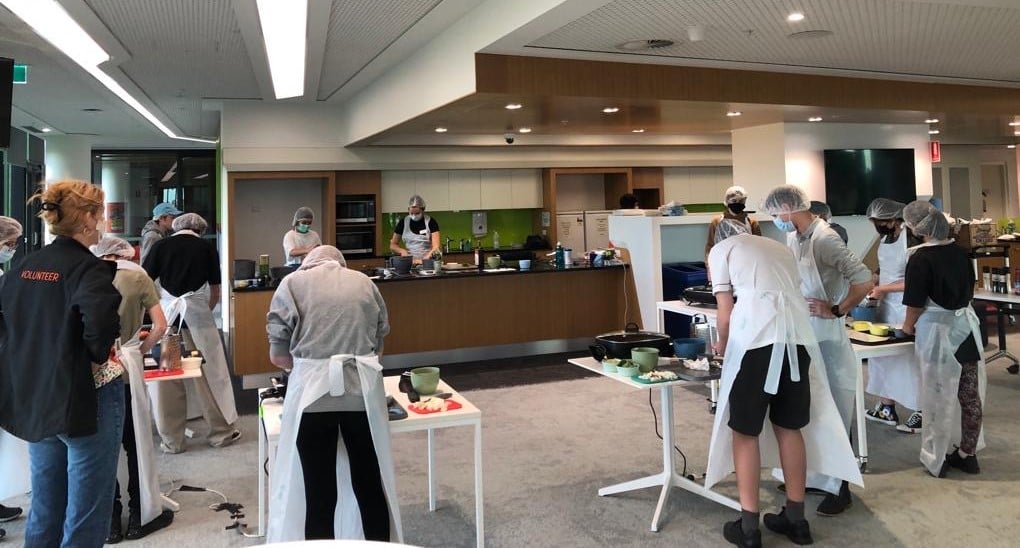
An innovative cooking program, the first of its kind in Australia, is being offered at Perth Children’s Hospital, combining nutrition education and practical cooking skills for teenagers living with type 1 diabetes (T1D).
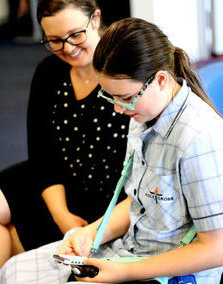
This time last year Keira Reynolds was in a vastly different place to where she is today. Back then, the Year 6 student was coming to grips with a new type 1 diabetes diagnosis and finishing primary school, uncertain about what lay ahead at high school.
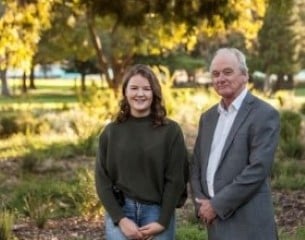
Type 1 diabetes is exhausting and unrelenting. It can be life threatening and there is never a break from it.

Learn with The Kids – suitable for kids and schools
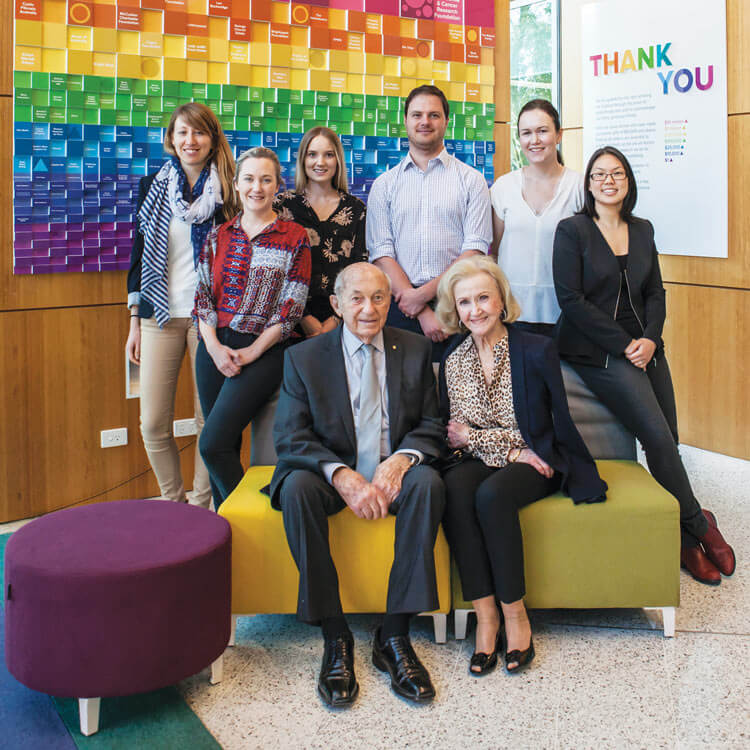
Philanthropically-minded members of the community are lending their support to The Kids Research Institute Australia’s up-and-comers.
The rarity of the mesenchymal stem cell (MSC) population poses a significant challenge for MSC research. Therefore, these cells are often expanded in vitro, prior to use. However, long-term culture has been shown to alter primary MSC properties.
In partnership with local Aboriginal Community Controlled Health Organisations, the Elder-led co-designed Koolungar Moorditj Healthy Skin project is guided by principles of reciprocity, capacity building, respect, and community involvement. Through this work, the team of Elders, community members, clinicians and research staff have gained insight into the skin health needs of urban-living Aboriginal koolungar (children); and having identified a lack of targeted and culturally appropriate health literacy and health promotion resources on moorditj (strong) skin, prioritised development of community-created healthy skin resources.
Developmental language disorder (DLD) is one of the most common neurodevelopmental conditions. Due to variable rates of language growth in children under 5 years, the early identification of children with DLD is challenging. Early indicators are often outlined by speech pathology regulatory bodies and other developmental services as evidence to empower caregivers in the early identification of DLD.
Australian children and adolescents were among the last local cohorts offered COVID-19 vaccines. Despite promising initial uptake, coverage subsequently plateaued, requiring further efforts to improve access and build parents’ recognition of the importance of COVID-19 vaccination.