
Search
Showing results for "clinical trials"

Patron
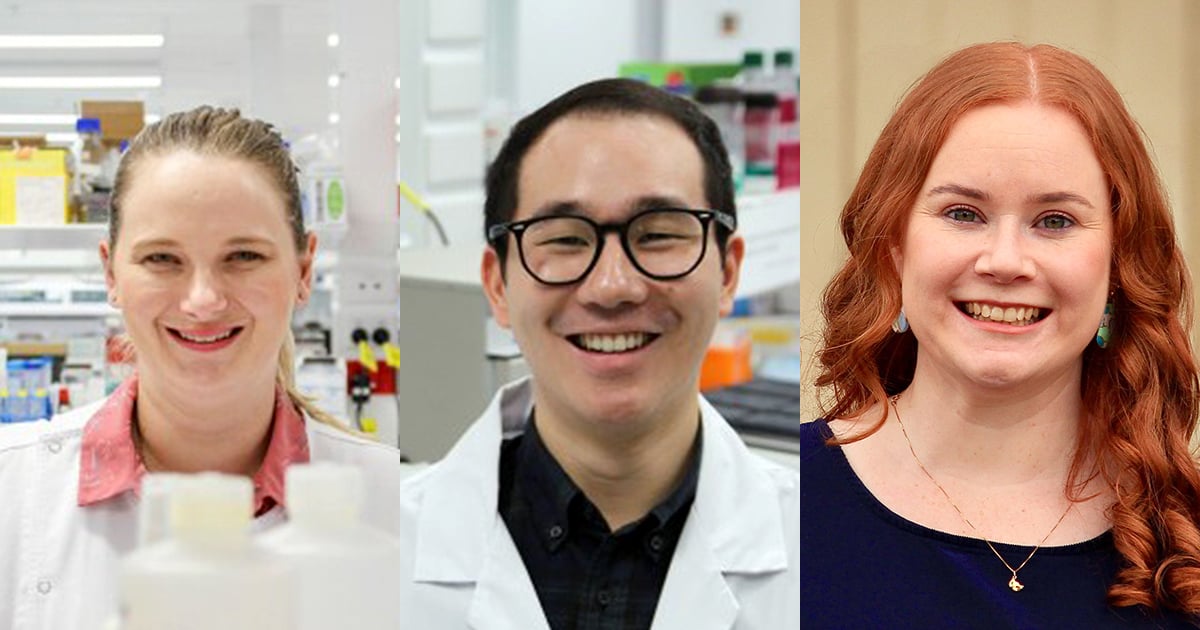
Three emerging research projects advancing the Wesfarmers Centre of Vaccines & Infectious Diseases' (WCVID) flagship research priorities have this week received a major funding boost through the latest WCVID Catalyst Grants.
The aim of this study was to investigate the language outcomes of 7-year-old children with and without a history of late language emergence at 24 months.
The primary objectives of this study were to determine the prevalence of late language emergence (LLE) and to investigate the predictive status of maternal...
Current technologies to understand which genes are turned on or off only work on large amounts of biological samples. As a consequence all measurements we receive represent averages across multiple cell types present in the sample. The situation is comparable to studying the contents of a bowl of fr
Older adults are significantly less likely than their younger counterparts to engage in physical activity. Comprehensive policies to support healthy ageing thus need to include components encouraging greater participation in physical activity in later life. This study tested potential messages for use in health communication campaigns aimed at increasing physical activity among older adults.
There are an estimated > 400 million people living with a rare disease globally, with genetic variants the cause of approximately 80% of cases. Next Generation Sequencing (NGS) rapidly identifies genetic variants however they are often of unknown significance.
In Australia, the health and education sectors provide universal early childhood services for the same population of children. Therefore, there is a strong imperative to view service use and outcomes through a cross-sectoral lens to better understand and address the service needs of young children and their families.
School readiness is a construct used by educators and policy makers to describe a range of abilities that are beneficial for children transitioning to school. The association of socioeconomic disadvantage with developmental vulnerability when children start school is well established. Parents play a crucial role in supporting children’s transition to school and are acknowledged as their child’s first and foremost teacher.
This paper examines whether adolescents can be reliably categorized into subgroups based on their patterns of anxiety levels over time and whether low levels of social support from parents, peers, and their school, and high levels of peer victimization, predict a pattern of increasing anxiety.