
Search
Showing results for "early childhood"
Measures of autistic traits are only useful – for pre-diagnostic screening, exploring individual differences, and gaining personal insight – if they efficiently and accurately assess autism as currently conceptualised while maintaining psychometric validity across different demographic groups. We recruited 1322 autistic and 1279 non-autistic adults who varied in autism status (non-autistic, diagnosed autistic, self-identifying autistic) and gender (cisgender men, cisgender women, gender diverse) to assess the psychometric properties of the Comprehensive Autistic Trait Inventory, a recently developed measure of autistic traits that examines six trait domains using 42 self-report statements.
Tuberculosis (TB) is caused by Mycobacterium tuberculosis (Mtb) and is a leading cause of death. BCG is the only licensed TB vaccine. Preclinical studies have shown that in adults, intravenous administration of BCG improves protection against TB. We hypothesize that intradermal administration of BCG to the human newborn leads to low-grade BCG bacteremia and that this systemic dissemination improves protection against Mtb infection. This hypothesis is based on supporting observations including animal and human studies. It is a testable hypothesis and offers to deliver immediately actionable insight to advance the global efforts against TB.
An empirically based understanding of the factor structure of the restricted and repetitive behaviors (RRB) domain is a prerequisite for interpreting studies attempting to understand the correlates and mechanisms underpinning RRB and for measurement development. Therefore, this study aimed to conduct a systematic review and meta-analysis of RRB factor analytic studies.
This study examined whether parent-reported atypical development in their child's first year was associated with age of diagnosis and age when parents first needed to consult a specialist about their child's development.
Obstructive sleep apnea (OSA) increases the risk of perioperative adverse events in children. While polysomnography remains the reference standard for OSA diagnosis, oximetry is a valuable screening tool. The traditional practice is the manual analysis of desaturation clusters derived from a tabletop device using the McGill oximetry score. However, automated analysis of wearable oximetry data can be an alternative. This study investigated the accuracy of wrist-worn oximetry with automated analysis as a preoperative OSA screening tool.
The aim of the present study was to compare scale and conditional reliability derived from item response theory analyses among the most commonly used, as well as several newly developed, observation, interview, and parent-report autism instruments.
This review identifies challenges and barriers to successful development of drugs in neuro-oncology trials at the preclinical, clinical and translational stages that we believe has contributed to poor outcomes for patients over the last 30 years.

Study found children aged 2–5 years from dog-owning households had increased pro-social behaviours like sharing and cooperating, when compared to children without a dog.

Healthy skin is a vital factor in the fight against life-threatening conditions like sepsis, heart disease and kidney disease, all of which can be caused by the bacteria Strep A.
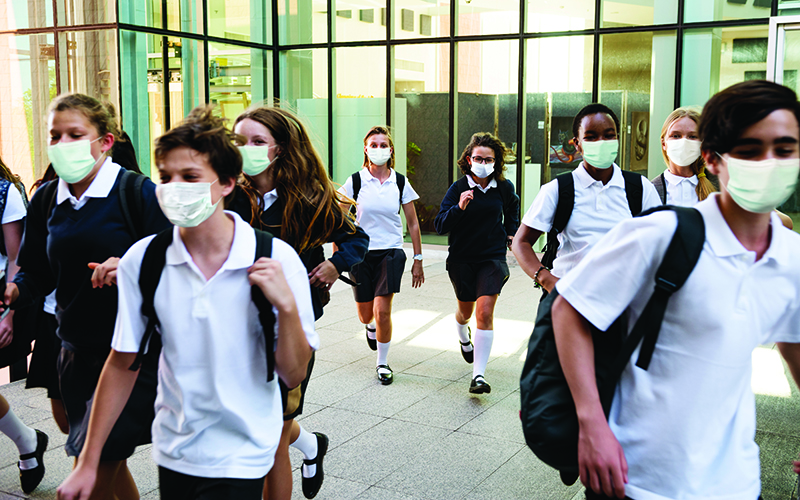
Researchers went into 79 WA primary and secondary schools in 2020 and found increased levels of emotional distress among students and families.