
Search
Showing results for "early lung health"
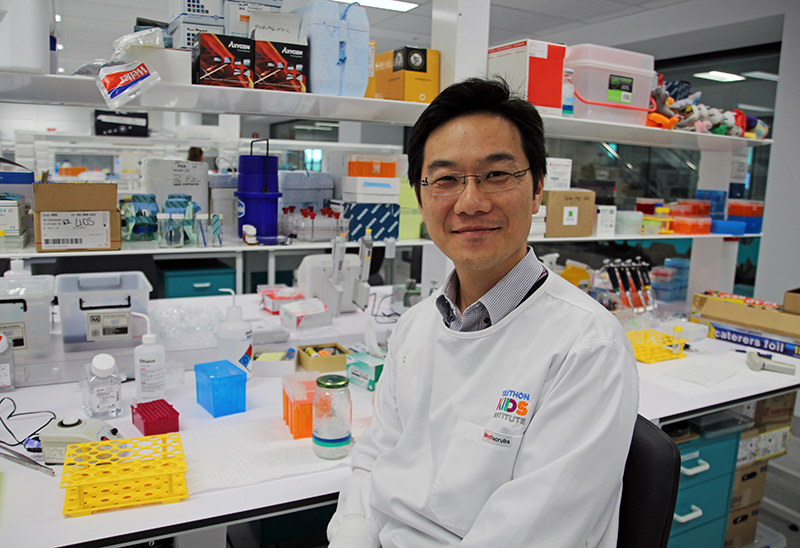
Dr Laurence Cheung is doing everything he can to end the threat of childhood leukemia. His research has the potential to change countless lives, but he also has another important job – being a dad to three beautiful children.
A new study of child maltreatment over the last 20 years in developed countries has found no consistent decrease in rates despite a raft of policy initiatives.
A new study has found that the genetic flaw responsible for Rett syndrome can strike males, even where there isn't a family history of the rare brain disorder.
Raelene Nick Endersby Gottardo BSc (Hons) PhD MBChB FRACP PhD Brainchild Fellow; Co-Head, Brain Tumour Research team Co-Head, Brain Tumour Research
Raelene Nick Endersby Gottardo BSc (Hons) PhD MBChB FRACP PhD Brainchild Fellow; Co-Head, Brain Tumour Research team Co-Head, Brain Tumour Research
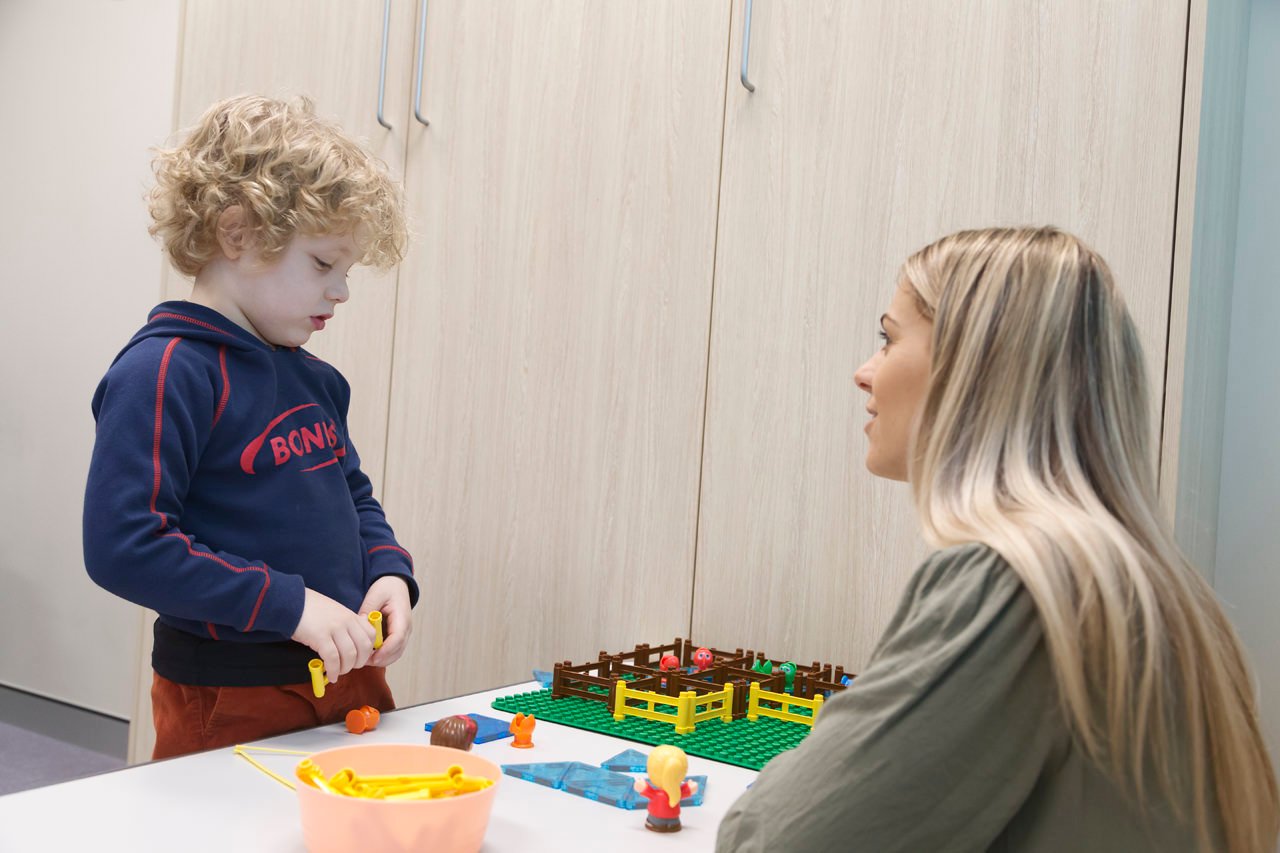
Find out more about Paediatric Autism Communication Therapy training for allied health and autism professionals at CliniKids.
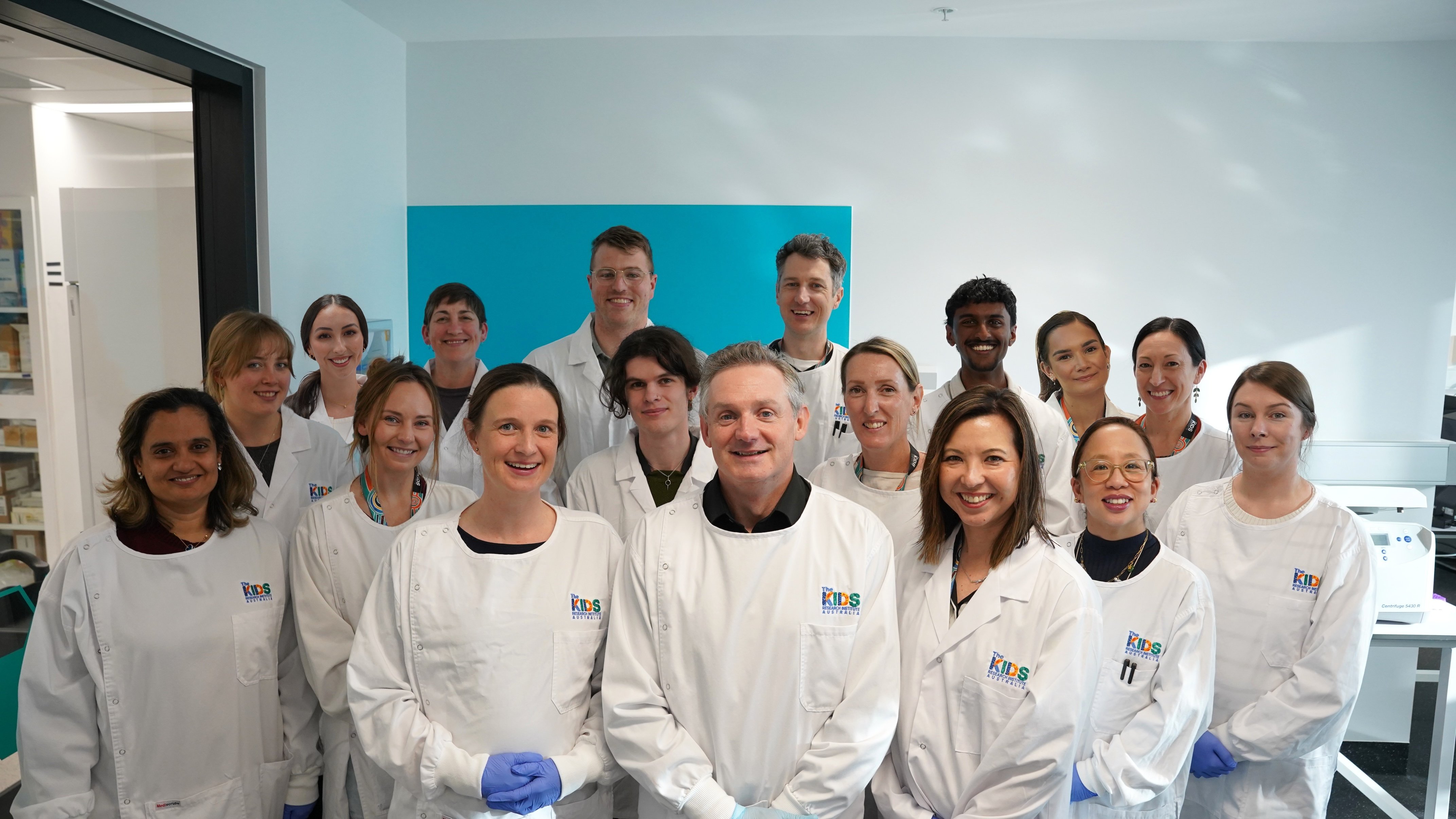
We strive for a future where no child will die from brain cancer because we have developed new therapies that will cure their disease.
Nirsevimab is a long-acting monoclonal antibody used to prevent respiratory syncytial virus (RSV) infection in infants and high-risk children. During the 2024 RSV season in Western Australia, 21 922 doses were administered to infants entering their first season and 1221 doses to at-risk children. In this context, the selection and spread of escape variants are a potential concern. This study aimed to investigate nirsevimab binding site mutations using clinical and wastewater data.
The heterogeneity of autism spectrum disorder clinically and aetiologically hinders intervention matching and prediction of outcomes. This study investigated if the behavioural, sensory, and perinatal factor profiles of autistic children could be used to identify distinct subgroups. Participants on the autism spectrum aged 2 to 17 years and their families were sourced via the Australian Autism Biobank.
Parent-child interactions (PCI) in infants with an elevated likelihood (EL) of autism start to diverge from other infants toward the end of the first year. This divergence is often attributed to emerging features of autism impacting infant social interactions in ways that become increasingly amplified. The aim was to identify which, if any, 12-month autism features were associated with later PCI qualities.