
Search
Showing results for "early childhood"
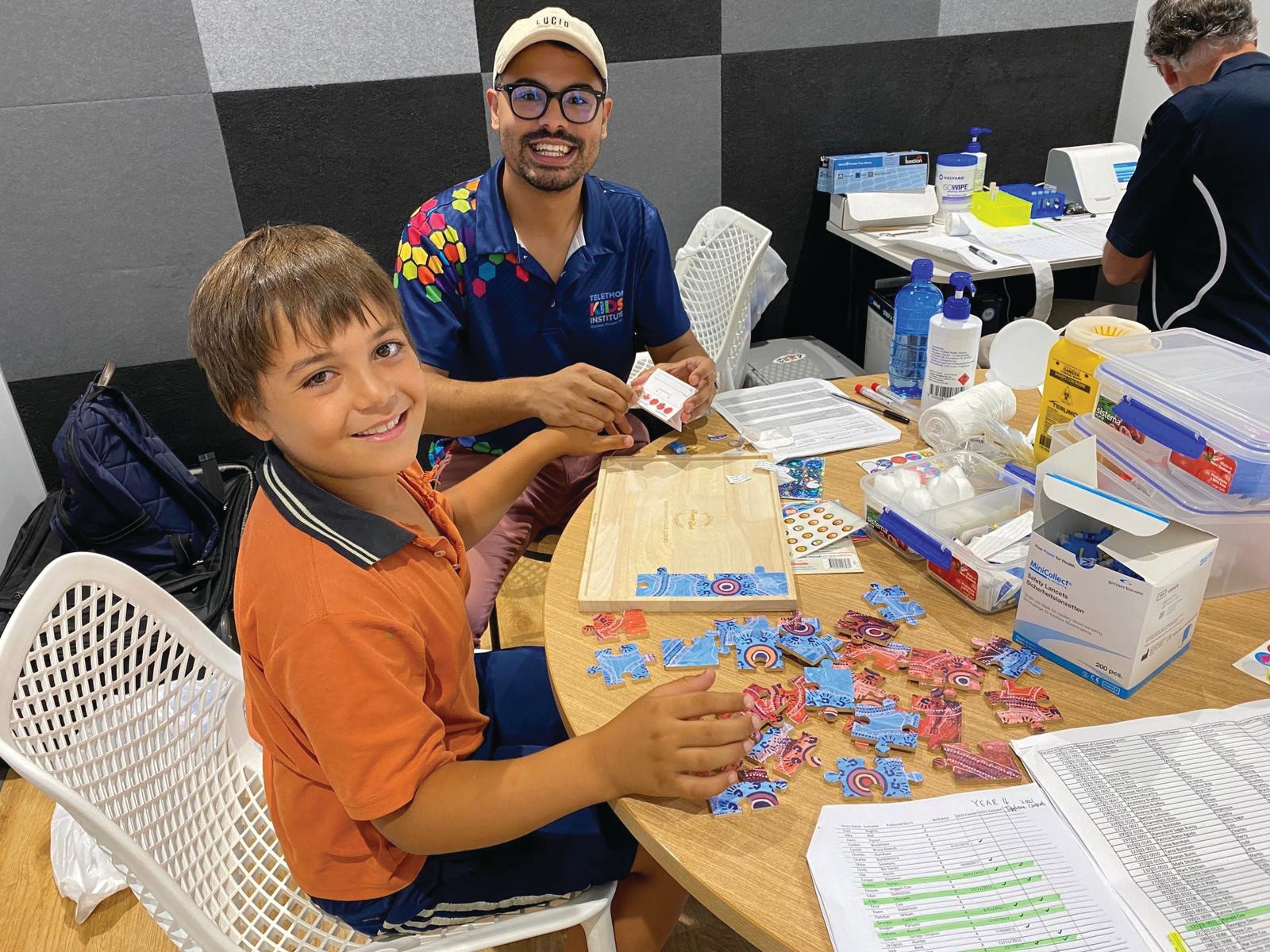
Thanks to research, a six -second test can get the answers that could save a child’s life.
Cognitive theories contend that attentional bias to negative information contributes to elevated trait anxiety. However, research in this area has been hindered by the lack of a standardized assessment task that demonstrates the required qualities, including strong internal consistency and ecological validity. The present study aimed to develop and validate the Talking Heads Attentional Bias Assessment Task, an easy-to-implement measure that overcomes the limitations of previous attentional bias assessment tasks.
DNA methylation-based classification is now central to contemporary neuro-oncology, as highlighted by the World Health Organization classification of central nervous system tumors. This expansion is a result of newly identified tumor types discovered through our large online repository and global collaborations, underscoring CNS tumor heterogeneity.
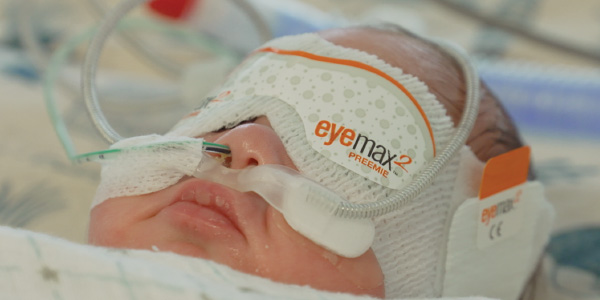
A simple set of eye masks and ear plugs – an inexpensive solution explored in a successful pilot study by The Kids Research Institute Australia, together with the Child and Adolescent Health Service – could hold the key to better outcomes for our tiniest bubs. Now, a nationwide clinical trial is testing the idea
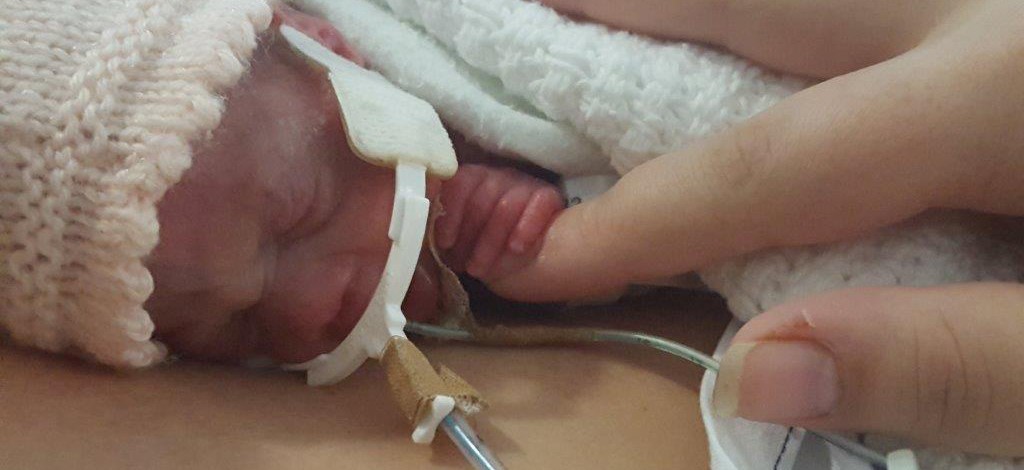
When KEMH specialists first suggested using coconut oil to treat the fragile skin of Kimberly Rohrlach’s extremely premature first-born child, Isabella, she thought it was more than a little weird.
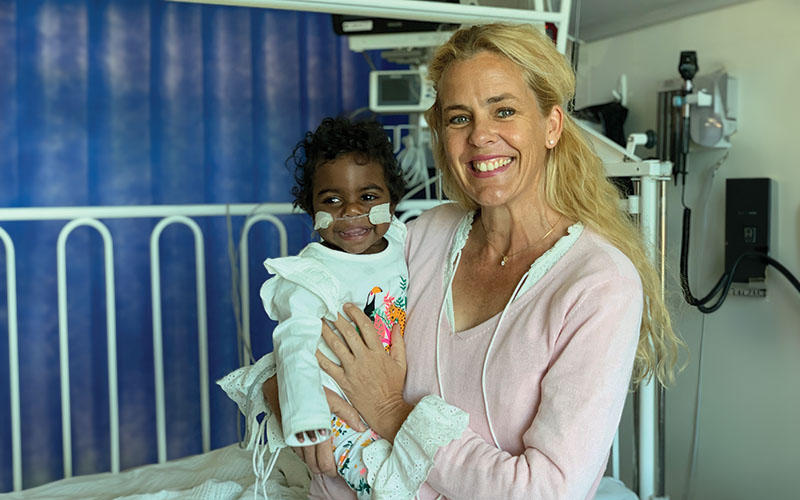
Culturally secure intervention to facilitate medical follow up for Aboriginal children, after being hospitalised with chest infections, have proven to improve long-term lung health outcomes.
Tropomyosin receptor kinase (TRK) fusions are detected in less than 2% of central nervous system tumors. There are limited data on the clinical course of affected patients.
The abstract screening process of systematic reviews can take thousands of hours by two researchers. We aim to determine the reliability and validity of Research Screener, a semi-automated abstract screening tool within a systematic review on non-specific and broader effects of respiratory vaccines on acute lower respiratory infection hospitalisations and antimicrobial prescribing patterns in young children.
People with intellectual disability experience a greater risk of maltreatment than people without intellectual disability. Maltreatment by family members presents additional risks, including greater possibilities for concealment. This scoping reviewResults were summarized in both narrative and tabular formats summarizes extant knowledge about the familial maltreatment of people with intellectual disability and identifies gaps in the literature.
Historically, adolescent pregnancy has been conceptualized as an outcome of child marriage, but in Southeast Asia, the contexts and drivers of adolescent pregnancy are less well-understood. This study examines the relationship between adolescent pregnancy and child marriage and explores the drivers of pregnancy in Cambodia, Indonesia, Lao People's Democratic Republic and Malaysia among adolescents who have experienced pregnancy.