
Search
Showing results for "clinical trials"
Patient-reported outcome measures (PROMs) are recommended for capturing meaningful outcomes in clinical trials. The use of PROMs for children with acute lower respiratory infections (ALRIs) has not been systematically reported. We aimed to identify and characterise patient-reported outcomes and PROMs used in paediatric ALRI studies and summarise their measurement properties.
Raelene Nick Endersby Gottardo BSc (Hons) PhD MBChB FRACP PhD Brainchild Fellow; Co-Head, Brain Tumour Research team Co-Head, Brain Tumour Research
Nick Raelene Gottardo Endersby MBChB FRACP PhD BSc (Hons) PhD Co-Head, Brain Tumour Research team; Head of Oncology and Haematology, Perth Children’s
Conference presentations in 2025
Bacillus cereus can cause serious infections in immunosuppressed patients. This population may be susceptible to B. cereus pneumonia, bacteremia, cellulitis,...

Congratulations to the Rio Tinto Children’s Diabetes Centre’s Dr Keely Bebbington on being awarded a JDRF Rebecca Davies Clinical Research Fellowship for her research that aims to prevent the onset of anxiety in children with T1D and their families.
As the choices of therapies in diabetes care multiply, it is essential to standardize the approach to measuring and recording hypoglycemia risk
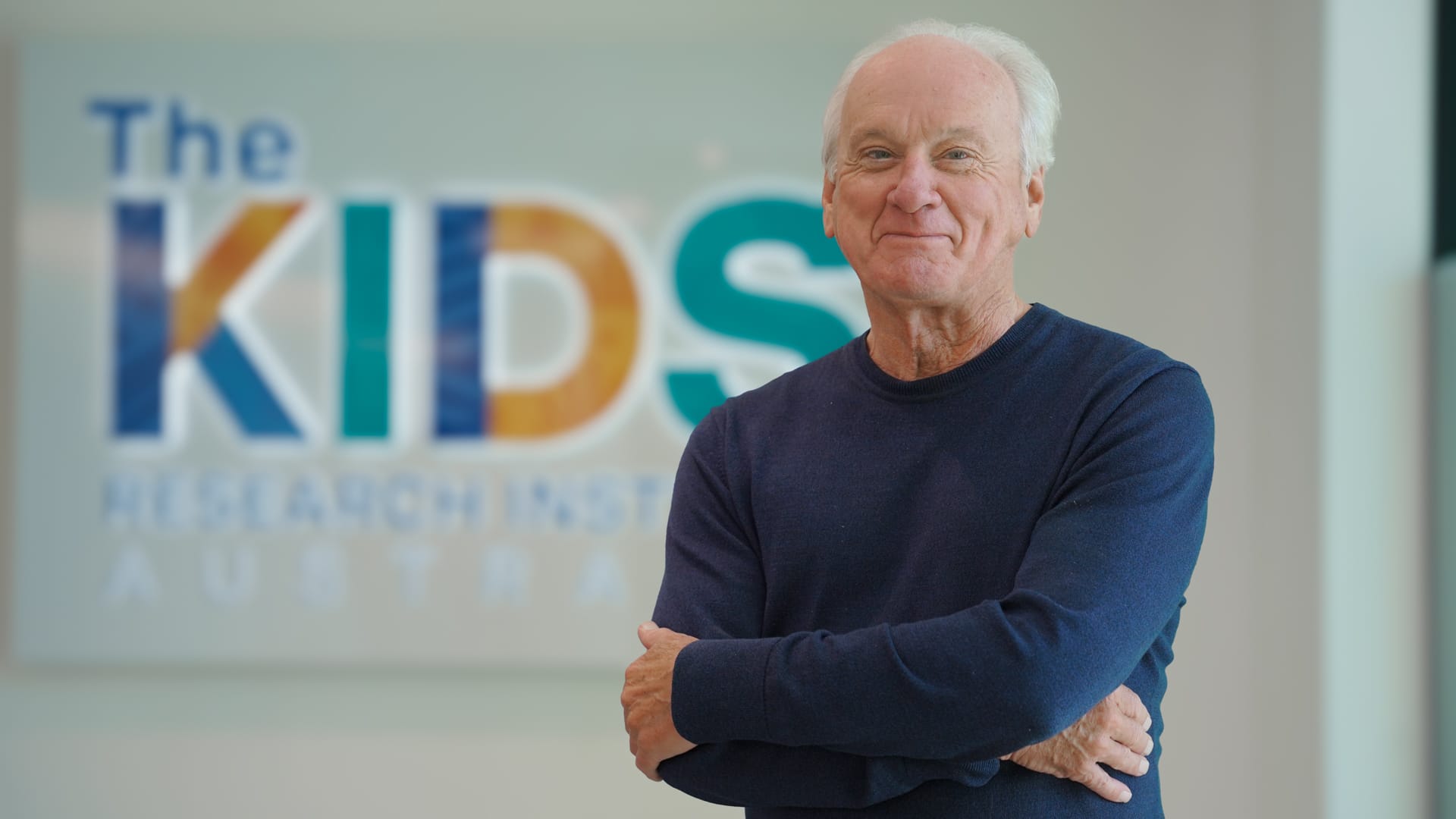
Congratulations to the Rio Tinto Children's Diabetes Centre Co-Director and Perth Children's Hospital Director of Research, Professor Timothy Jones, awarded a Member of the Order of Australia (AM) in the King's Birthday Honours List.
Invasive fungal disease is a common and important complication in children with acute myeloid leukaemia (AML). We describe the epidemiology of IFD in a large multicentre cohort of children with AML.
Invasive fungal disease (IFD) remains a challenging complication of treatment for paediatric acute leukaemia. Consensus fungal treatment guidelines recommend withholding chemotherapy to facilitate immune recovery in this setting, yet prolonged delays in leukaemia therapy increase risk of relapse.