
Search
There is no known risk-free level of alcohol use in pregnancy. Despite this, many still believe that occasional drinking is safe. To-date, there is limited evidence of the influences on women's decisions about low to moderate alcohol use in pregnancy.
The global population has been severely affected by the coronavirus disease 2019 (COVID-19) pandemic, however, with older age identified as a risk factor, children have been underprioritized. This article discusses the factors contributing to the less severe response observed in children following infection with severe acute respiratory syndrome coronavirus 2 (SARS-CoV-2), including, differing viral entry receptor expression and immune responses.

More than 3,000 skin checks have been undertaken as part of a large clinical trial in WA’s Kimberley region aimed at halving the burden of skin sores in school-aged Aboriginal children.

The Kids Research Institute Australia has been among a growing number of voices passionately advocating for an overhaul of the way young people in detention are managed in Western Australia.
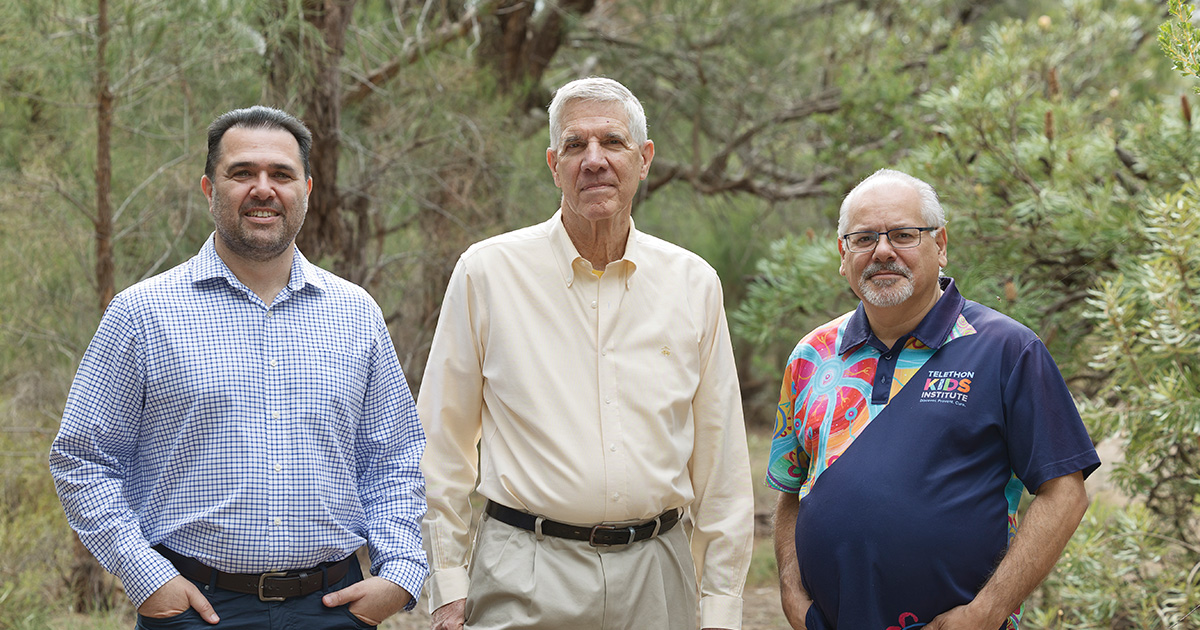
In 1998, The Kids Research Institute Australia embarked on one of the most ambitious population health projects in Western Australian history.

A world-first study led by Dr Aveni Haynes at The Kids’ Rio Tinto Children’s Diabetes Centre, is helping to detect early changes in blood sugar levels.
The incidence of mental illness is greatest among young adults, and those enrolled in higher education may be particularly vulnerable compared to the general young adult population. Many higher education institutions employ student support staff tasked with implementing strategies to improve student wellbeing and mental illness.
The COVID-19 pandemic has seen evidence and advice evolve quickly. Since the start of the pandemic there has been confusion and concern about breastfeeding and COVID-19, and advice for this group has at times been contradictory. The volume of information on social media has exacerbated this. This study aimed to understand breastfeeding-related COVID-19 information sharing on social media during the global and Australian vaccine roll-out.
Drug compliance is the act of taking medication on schedule or taking medication as prescribed and obeying other medical instructions. It is the most crucial aspect in the treatment of chronic diseases particularly for patients with multidrug-resistant tuberculosis (MDR-TB). Drug non-compliance is the main reason for causing drug resistance and poor treatment outcomes.
Many people with tuberculosis (TB) rely solely on traditional healthcare services. Integrating traditional healthcare with modern healthcare services can increase access, quality, continuity, consumer satisfaction, and efficiency. However, successful integration of traditional healthcare with modern healthcare services requires stakeholder acceptance.