
Search
Showing results for "Childhood interstitial lung disease "

Prominent consultant psychiatrist and Western Australia’s 2021 Australian of the Year, Professor Helen Milroy AM, has been recognised as a Member of the Order of Australia (General Division).
To evaluate the psychometric properties of the Quality of Life Inventory -Disability (QI-Disability) for individuals with Dravet syndrome (DS) or Lennox-Gastaut syndrome (LGS), two rare developmental and epileptic encephalopathy conditions.
Autistic adolescents are vulnerable to sleep difficulties, with up to 80 % experiencing sleep problems, most commonly insomnia. Little is known about how autistic adolescents are involved in their own sleep treatment, and their depth of knowledge about their sleep difficulties. The aims of this study were to investigate autistic adolescent and parent perspectives of experiencing and managing insomnia, and what factors influence the development of these perspectives on insomnia and treatment.
This study aims to describe the risk factors and trends in birth prevalence of septo-optic dysplasia (SOD) and gastroschisis between 1980 and 2023. This descriptive, population-based study of SOD and gastroschisis used Western Australian Register of Developmental Anomalies data from 1980 to 2023. Birth prevalence was calculated using Midwives Notification System data for all births after 20 weeks gestation.
Transgender and gender diverse (“trans”) people are more likely to experience adverse mental health outcomes due to the social adversities that are commonly experienced. One ameliorating factor for poor mental health outcomes can be connection to community, often facilitated in online spaces such as TikTok.
Rett syndrome (RTT) is a severe neurodevelopmental disorder affecting predominantly females and associated with variants in the MECP2 gene. Recent success in clinical trials have resulted in an expanded use of the Rett Syndrome Behaviour Questionnaire (RSBQ) for clinical and research purposes.

When author Maurice Sendak first sketched out the story of a rambunctious little boy sent to his room without supper, there’s no way he could have known his rollercoaster tale of childhood imagination would still be speaking to the hearts of wild young things more than six decades on.
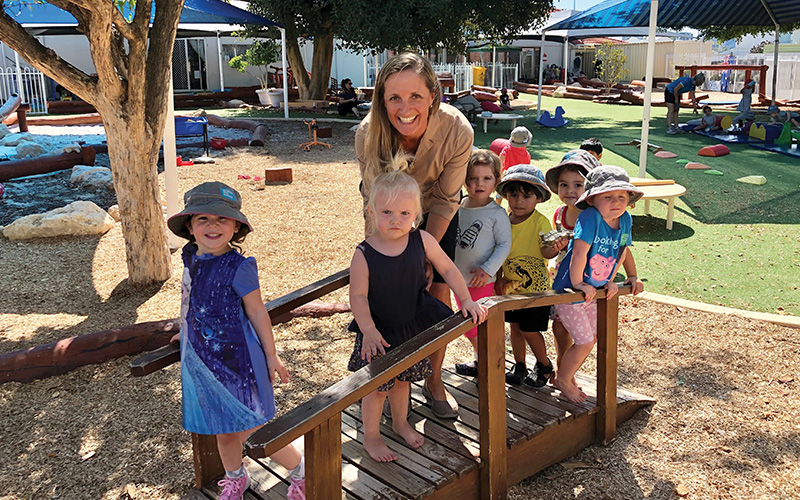
Not too long ago, if you had mentioned physical activity to educators at the Sonas Early Learning & Care centres run by Shelley Prendergast, they would automatically have reached for the trusty old obstacle course.
The clinical, research and advocacy communities for Rett syndrome are striving to achieve clinical trial readiness, including having fit-for-purpose clinical outcome assessments. This study aimed to (1) describe psychometric properties of clinical outcome assessment for Rett syndrome and (2) identify what is needed to ensure that fit-for-purpose clinical outcome assessments are available for clinical trials.
Language development is critical for children's life chances. Promoting parent-child interactions is suggested as one mechanism to support language development in the early years. However, limited evidence exists for a causal effect of parent-child interactions on children's language development.