
Search
Showing results for "early lung health"
Find out how to participate in our research and community group
Concussion awareness and knowledge among Aboriginal and Torres Strait Islander peoples residing in Perth, Western Australia and factors preventing presentation at a health service for assessment after such an injury.
Defining rurality matters in healthcare. Evidence supports the singularity of the rural experience and its detrimental impact on health outcomes and, specifically, on mental health. Yet, no internationally accepted definition of 'rural' exists.
If you have any concerns, you can visit your GP or contact Lifeline, beyondblue, Kids' Helpline, headspace, Reach Out or Relationships Australia.
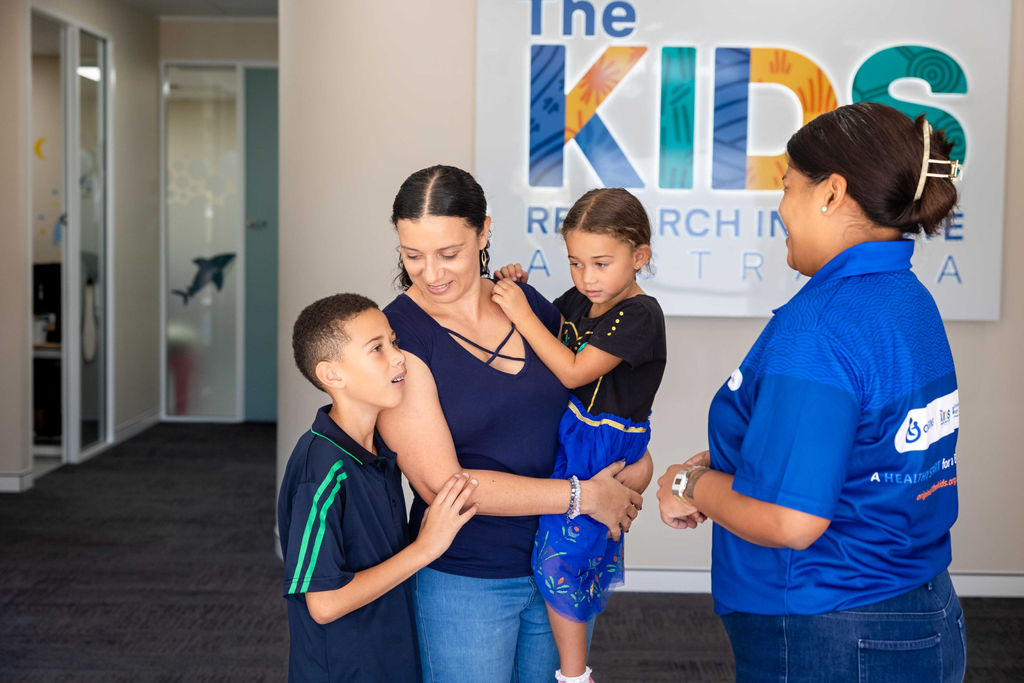
Our participants have the opportunity to join a variety of sub-projects ranging from allergy prevention to improving the mental health of families.
Youth-onset type 2 diabetes is an emerging condition impacting Indigenous populations worldwide. Schools have an important role in supporting students to manage their health. We undertook a qualitative study to (i) explore the lived experience of type 2 diabetes, diabetes management and support in school environments and (ii) co-design recommendations for age-appropriate, culturally safe school-based strategies and supports. Interviews and focus groups were undertaken with Aboriginal and Torres Strait Islander youth, caregivers, health professionals and school-based staff. Aboriginal and Torres Strait Islander youth were involved in determining the research topic.
Human respiratory syncytial virus (RSV) is an important cause of acute respiratory infection with the most severe disease in the young and elderly. Non-pharmaceutical interventions and travel restrictions for controlling COVID-19 have impacted the circulation of most respiratory viruses including RSV globally, particularly in Australia, where during 2020 the normal winter epidemics were notably absent.
Pineoblastoma is a rare brain tumor usually diagnosed in children. Given its rarity, no pineoblastoma-specific trials have been conducted. Studies have included pineoblastoma accruing for other embryonal tumors over the past 30 years.
Children with comorbidities are at greater risk of severe influenza outcomes compared with healthy children. In Australia, influenza vaccination was funded for those with comorbidities from 2010 and all children aged <5 years from 2018. Influenza vaccine coverage remains inadequate in children with and without comorbidities.
Respiratory syncytial virus (RSV) is a leading cause of childhood morbidity, however there is no systematic testing in children hospitalised with respiratory symptoms. Therefore, current RSV incidence likely underestimates the true burden.