
Search
Showing results for "mental health aboriginal"
Sedation and anesthesia are widely used to relieve pain and ensure cooperation during elective diagnostic and medical procedures in the pediatric population. However, there is currently limited evidence about the recovery trajectory following deep sedation or general anesthesia for such procedures in children.
A contemporary, well-validated instrument for the measurement of behavior change in children after general anesthesia is lacking. The Post Hospitalization Behavior Questionnaire for Ambulatory Surgery (PHBQ-AS) has been developed as an updated version of the original Post Hospitalization Behavior Questionnaire (PHBQ) to better reflect the current patient population and modern anesthetic practices.
Bronchospasm is a common respiratory adverse event in pediatric anesthesia. First-line treatment commonly includes inhaled salbutamol. This review focuses on the current best practice to deliver aerosolized medications to awake as well as anesthetized pediatric patients and discusses the advantages and disadvantages of various administration techniques.
COVID-19 is mainly considered an “adult pandemic,” but it also has strong implications for children and consequently for pediatric anesthesia. Despite the lethality of SARS-CoV-2 infection being directly correlated with age, children have equally experienced the negative impacts of this pandemic.
Difficult airway management in children is associated with significant morbidity. This narrative review on error traps in airway management aims to highlight the common pitfalls and proposes solutions to optimize best practices for pediatric difficult airway management. We have categorized common errors of pediatric difficult airway management into three main error traps.
The goal of this study was to understand individuals with cerebral palsy (CP) and their family's attitudes and preferences to genomic research, including international data sharing and biobanking.
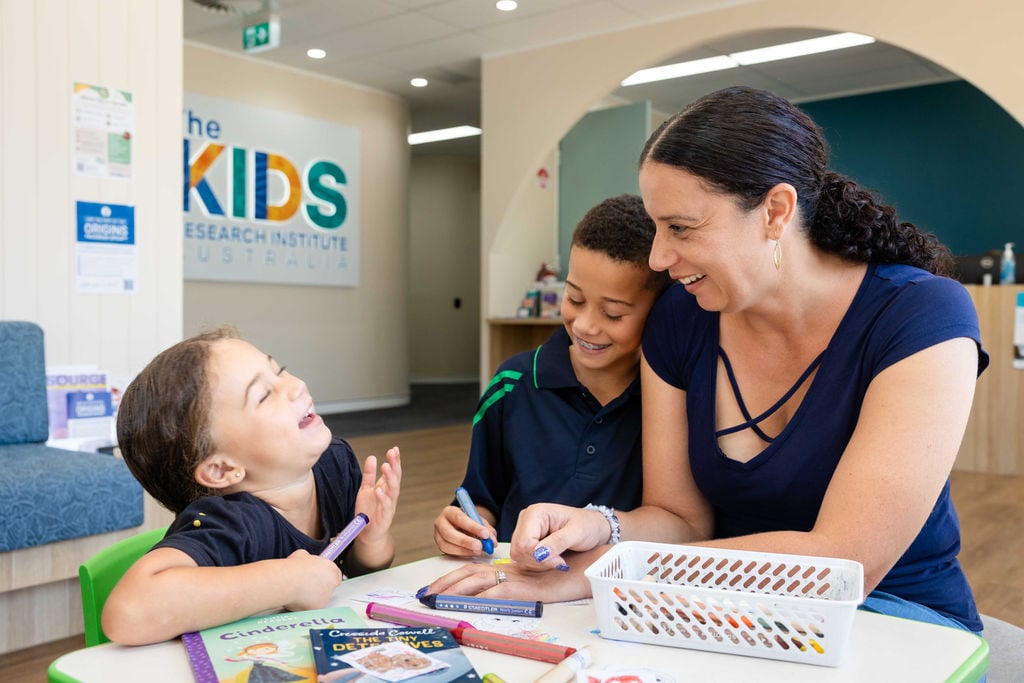
A unique national platform delivering faster research at scale to improve the health, wellbeing and equity of children and their parents across Australia
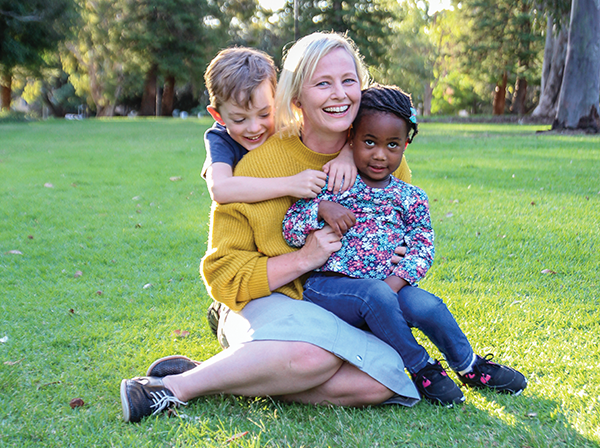
Cathy Chopping is thankful she decided to try and help others by joining ORIGINS
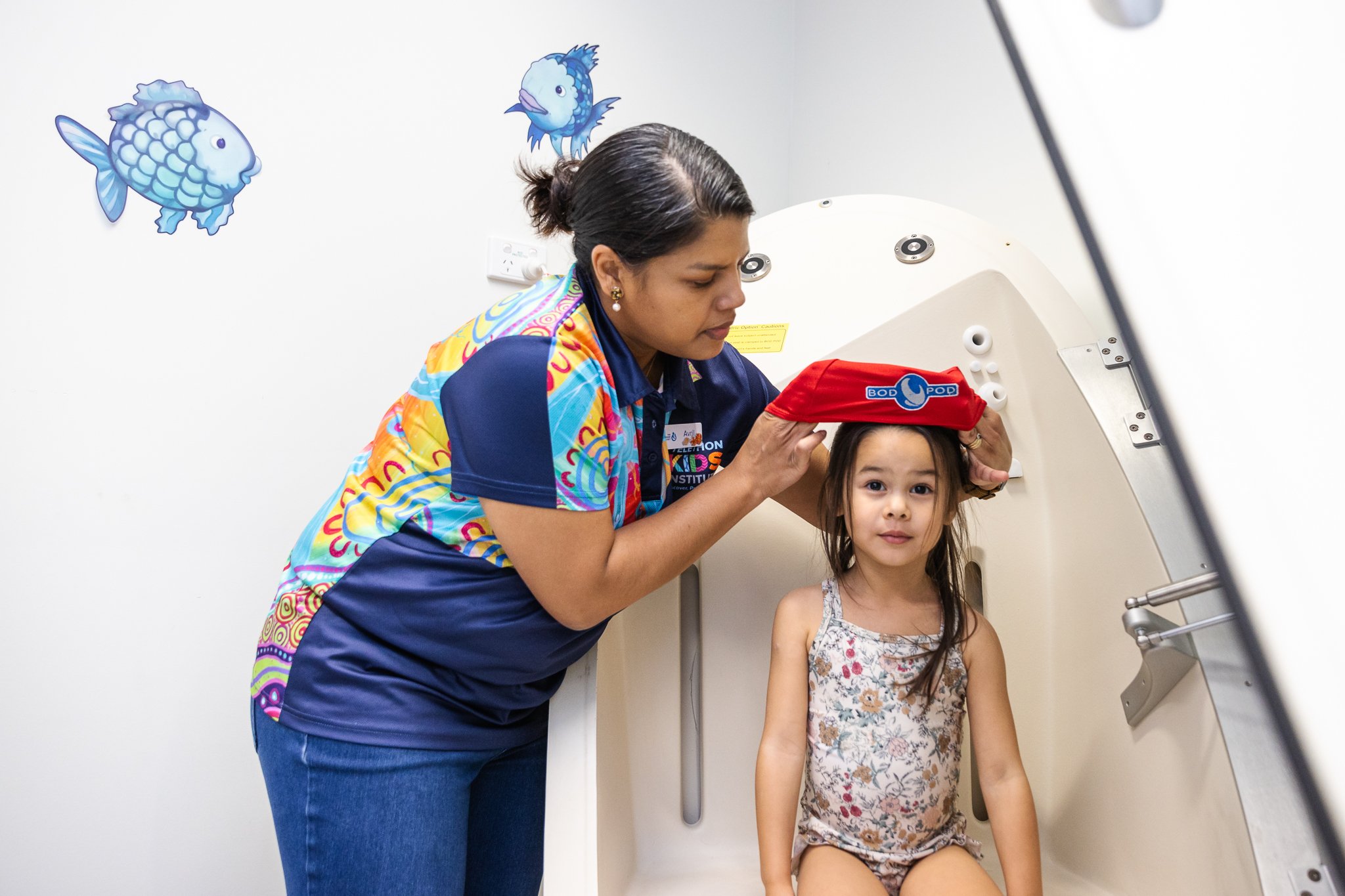
Interested in research into weight and body composition?
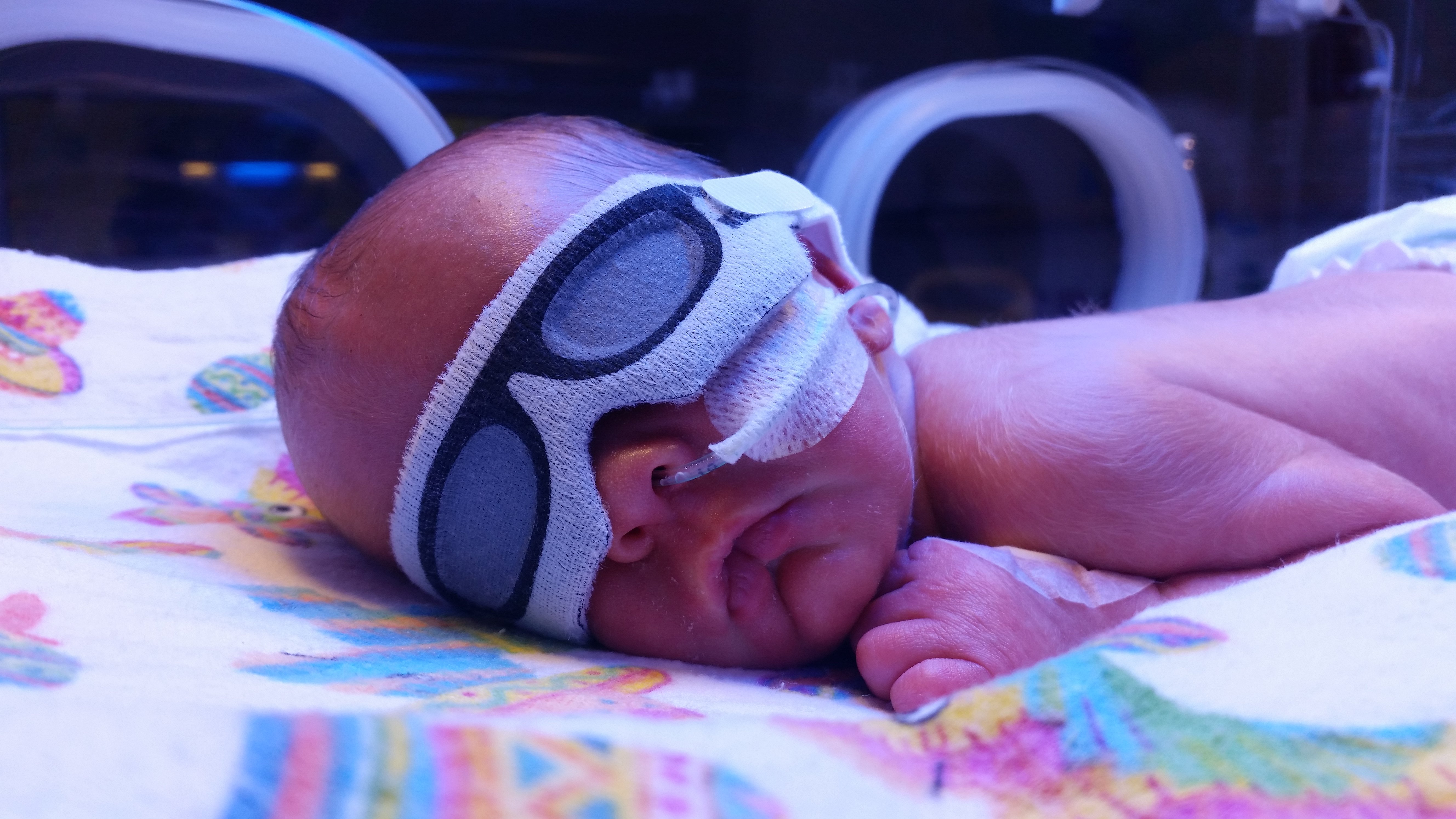
Each year, 11% (15 million) of the world’s babies are delivered before 37 weeks’ gestation.