
Search
Showing results for "Childhood interstitial lung disease "
ARC is a global network of collaborators committed to reducing the burden of RHD in our lifetime.
Aboriginal children and families contend with higher rates of preventable infectious diseases that can be attributed to their immediate living environment. The environments in which children spend most of their time are their homes and schools. We aimed to understand the opportunities in the school setting to support student skin health and wellbeing through environmental health activities, how these activities were completed, and the barriers to their implementation.
Remote Aboriginal communities in Australia are located on traditional lands holding deep cultural significance and meaning for residents. However, systemic inequity rooted in colonisation has driven persistent housing and health disparities, with inadequate environmental health conditions within homes and communities a prominent example.
Ependymomas (EPN) are the third most common malignant brain cancer in children. Treatment strategies for pediatric EPN have remained unchanged over recent decades, with 10-year survival rates stagnating at just 67% for children aged 0-14 years. Moreover, a proportion of patients who survive treatment often suffer long-term neurological side effects as a result of therapy. It is evident that there is a need for safer, more effective treatments for pediatric EPN patients.
Melissa Gail Matt Jenny Andrew Videos Licari Alvares Cooper Downs Whitehouse Watch and listen to Andrew PhD PhD BCA Marketing, BSc Statistics and
Self-regulation is a modifiable protective factor for lifespan mental and physical health outcomes. Early caregiver-mediated interventions to promote infant and child regulatory outcomes prevent long-term developmental, emotional and behavioural difficulties and improve outcomes such as school readiness, educational achievement and economic success. To harness the population health promise of these programmes, there is a need for more nuanced understanding of the impact of these interventions.
In this article, we examine the utility of a transdiagnostic, dimensional approach to very early identification and intervention for infants at risk of neurodevelopmental disorders
Nick Raelene Terrance Gottardo Endersby Johns MBChB FRACP PhD BSc (Hons) PhD Head of Paediatric and Adolescent Oncology and Haematology, Perth
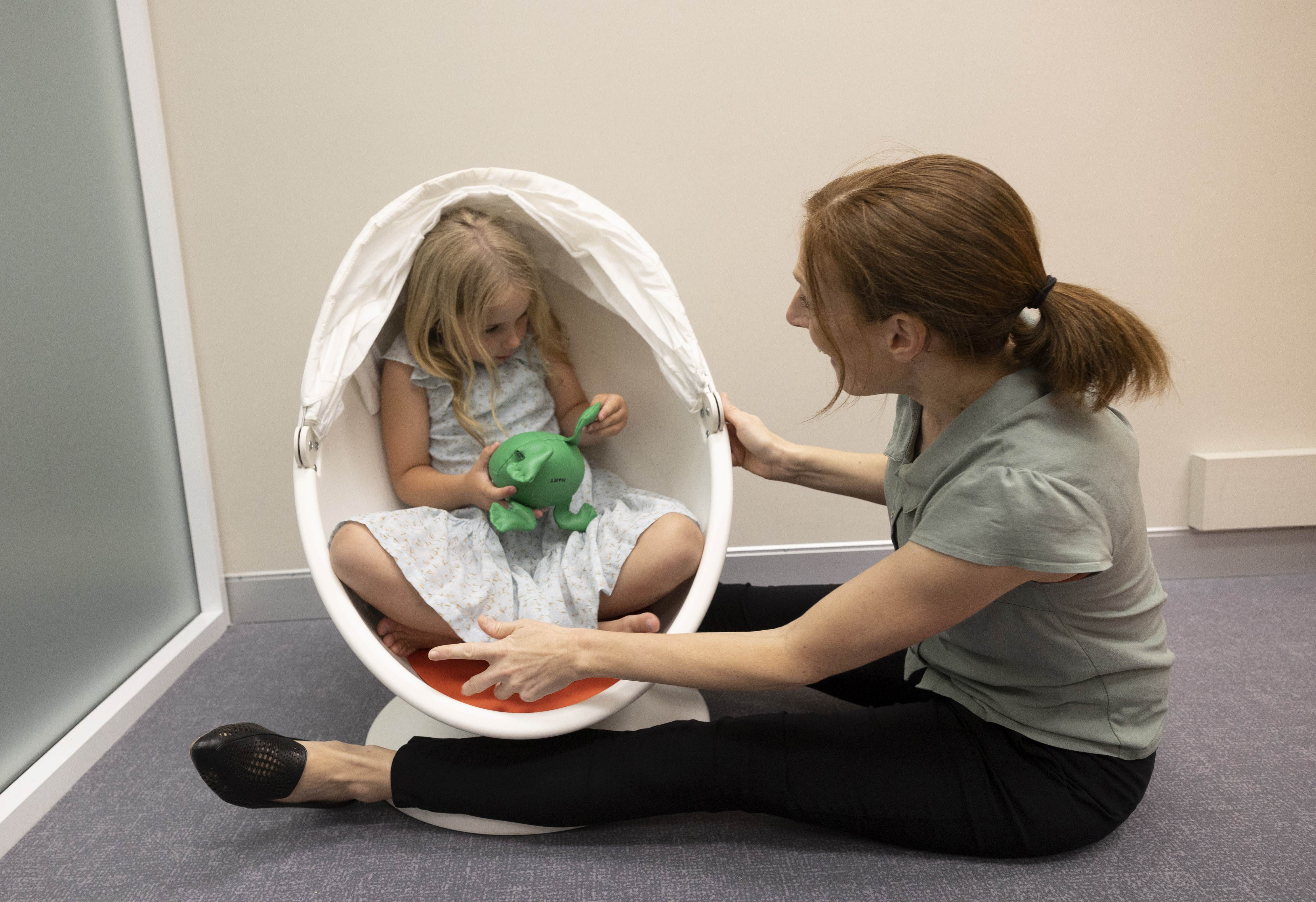
This blog aims to explore what emotions are, why they are important, and how we can support children to develop their ability to understand and express their own emotions in a healthy way.
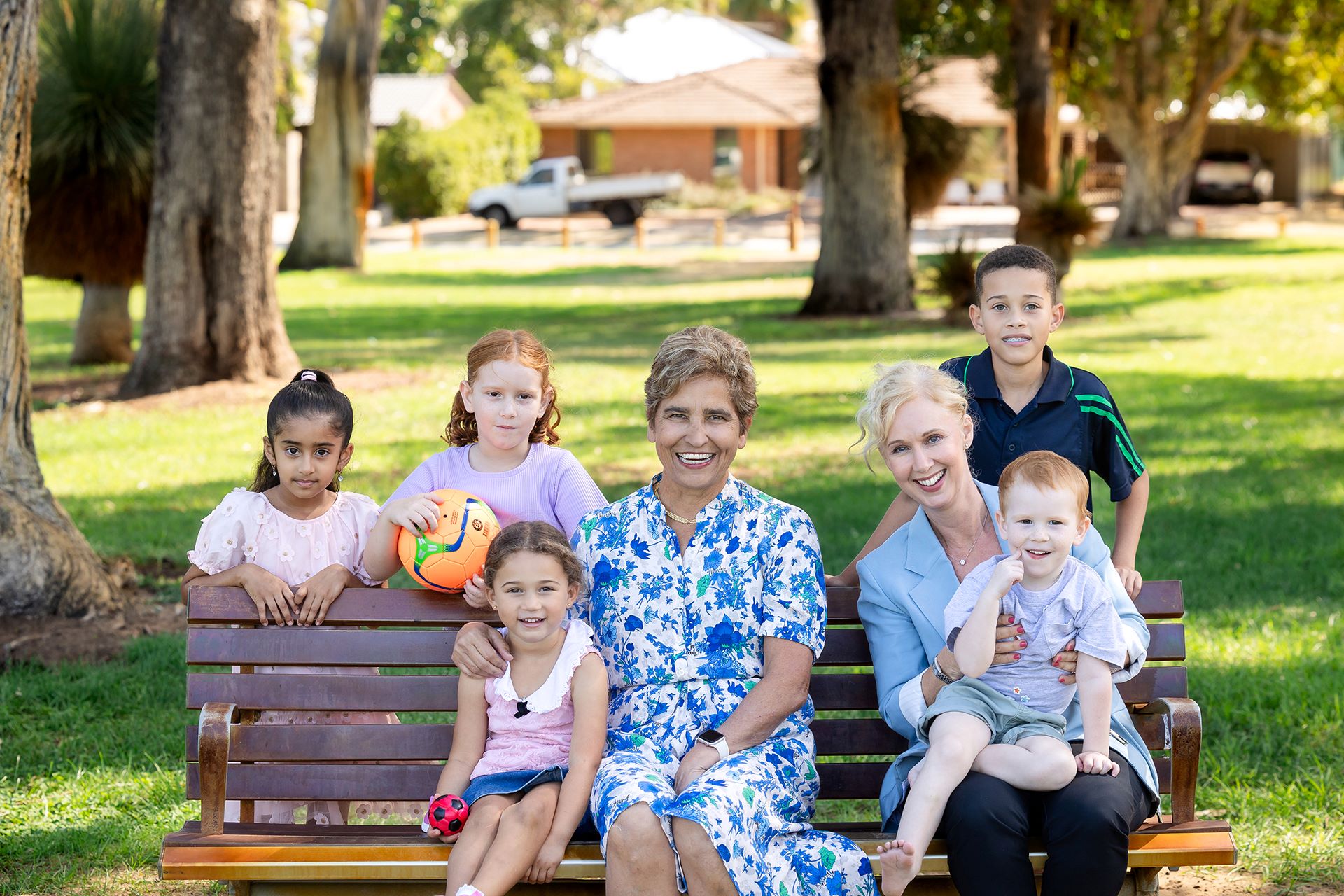
ORIGINS is Australia's largest longitudinal cohort study of its kind. Following 10,000 WA children from their time in the womb into early childhood, ORIGINS researchers are working to better understand when and why non-communicable diseases develop, and provide solutions for early intervention to ensure every child and family flourishes throughout their lifetime.