
Search
Showing results for "lung disease preterm"
People with intellectual disability are at risk of poor physical and mental health. Risks to health are compounded by poor health literacy, that is, reduced capacity to access health services, respond quickly to changes in health status and navigate care pathways. Building health literacy skills is a strength-based way to increase health and optimise the use of healthcare services. The internet is a primary source of health information for many people, including people with intellectual disability and their families.
Scabies and impetigo infections are under-recognised and hence under-treated by clinicians
We report osteomyelitis incidence in indigenous children of northern Australia is amongst the highest reported in the world
The effectiveness and safety profile of antiseptics in the treatment of chronic suppurative otitis media is uncertain
The aim was to characterise fetal brain growth in children with specific language impairment (SLI). A nested case-control study was set in Perth, WA.
The essential facts that all parents should know
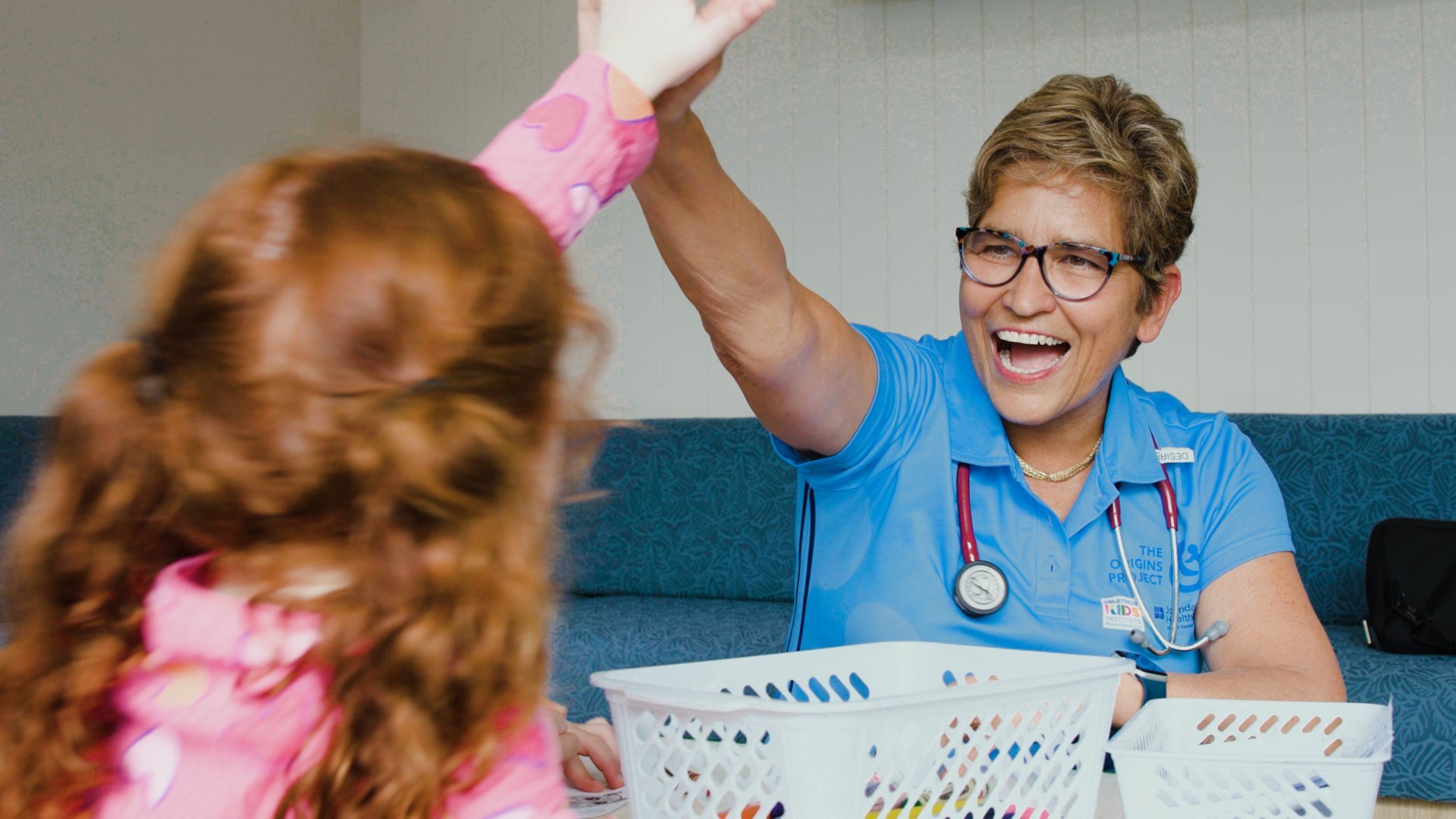
Read our contribution to Research Australia's INSPIRE magazine in their 'Prevention' edition.
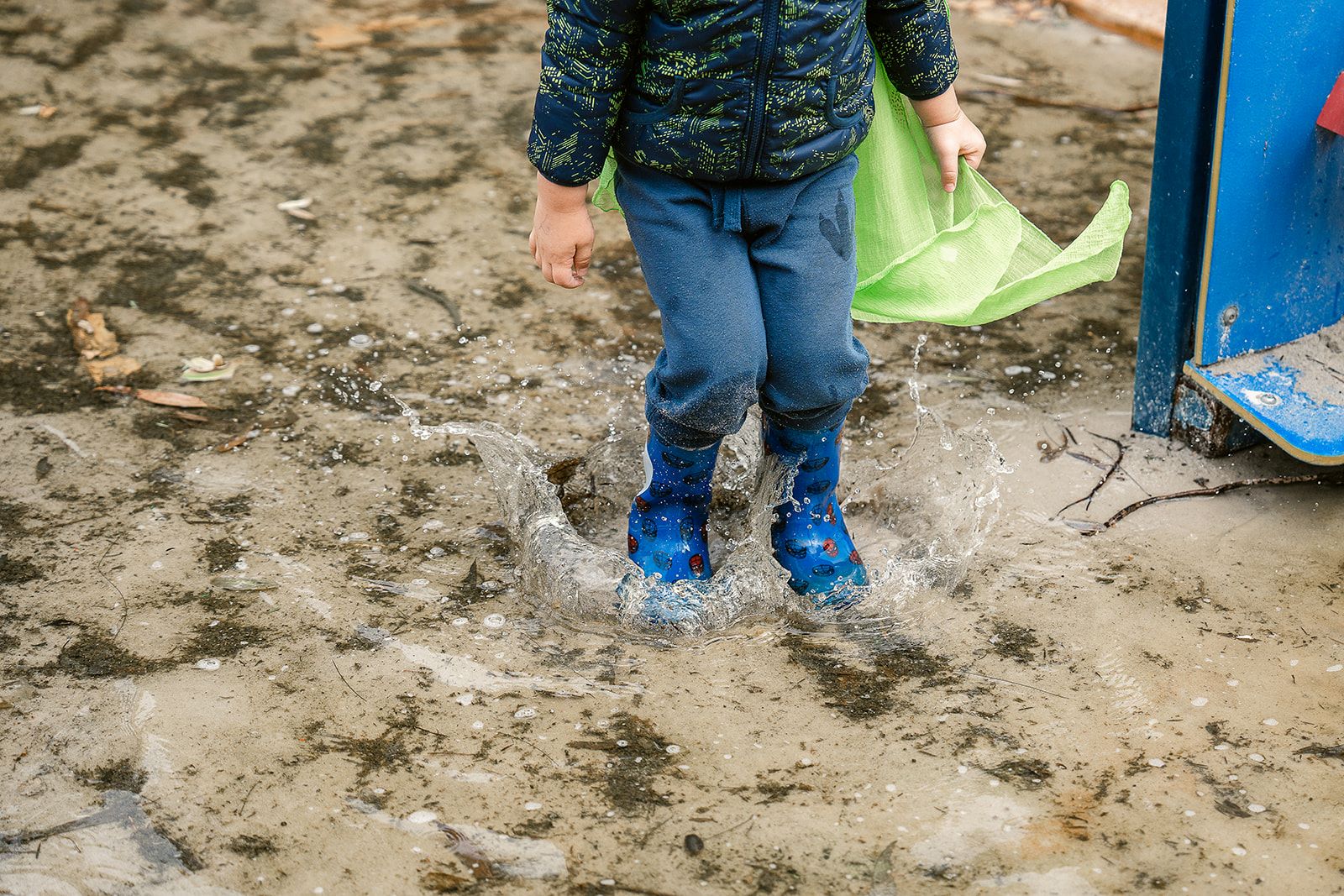
Helping families to unlock the mental and physical health benefits of connecting with nature and community through outdoor play - easily, and locally.
Rare childhood cancers have not benefited to the same extent from the gains that have been made for their frequently occurring counterparts.

To celebrate International Day of Women and Girls in Science, we asked some of the research team to share why science is the key to success and their tips for encouraging girls who want to pursue a career in STEM.