
Search
Showing results for "clinical trials"
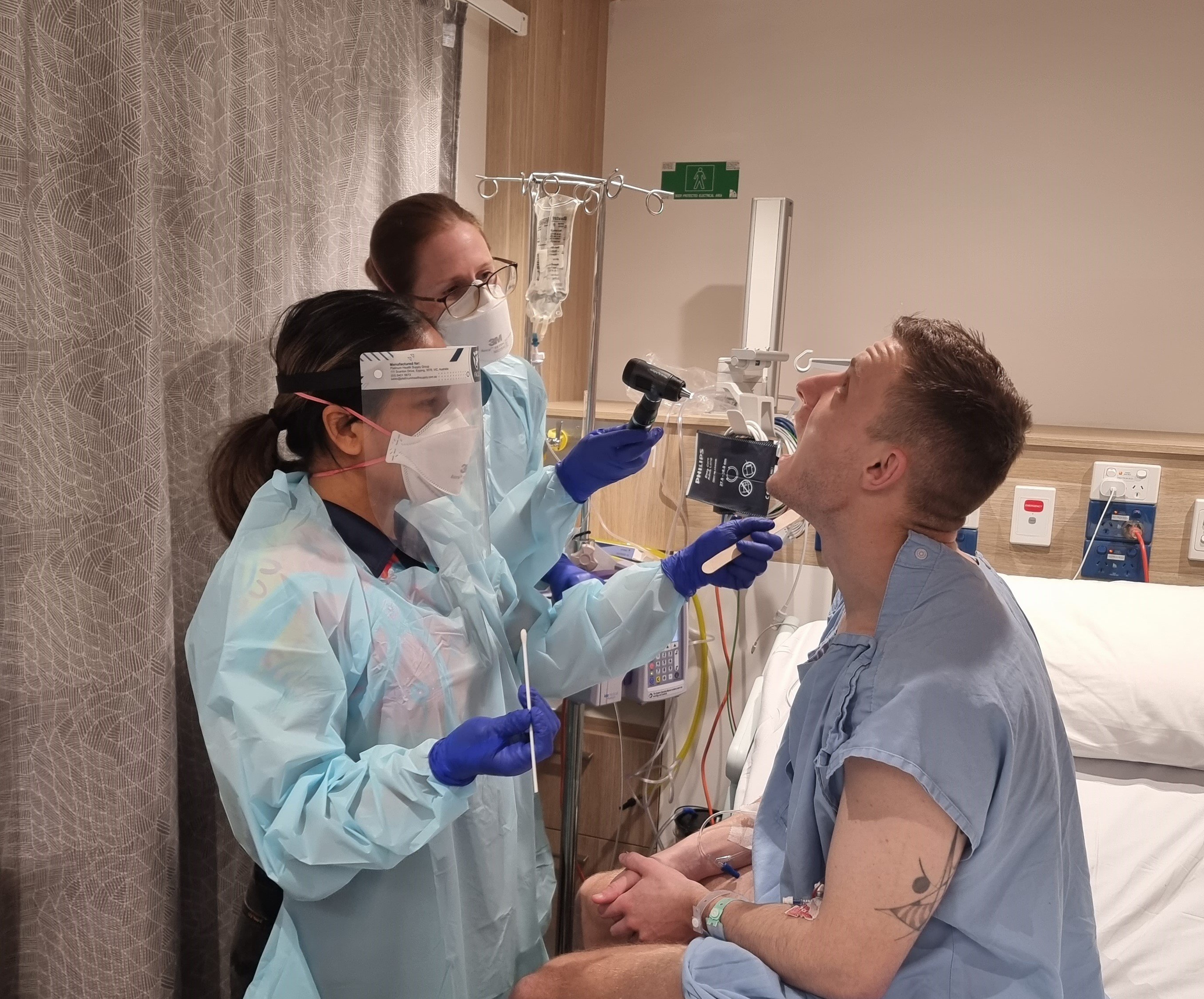
A unique study purposely giving participants Streptococcus pyogenes (Strep A) to learn how much penicillin it takes to prevent infection has found the amount needed is much lower than previously thought – a discovery that will transform thinking on treatment for people living with rheumatic heart disease (RHD).

National research led by the Wesfarmers Centre of Vaccines and Infectious Diseases, based at The Kids Research Institute Australia, has secured more than $3.4 million to assess the epidemiology of respiratory syncytial virus (RSV) throughout the country and optimise Australia’s immunisation strategy.
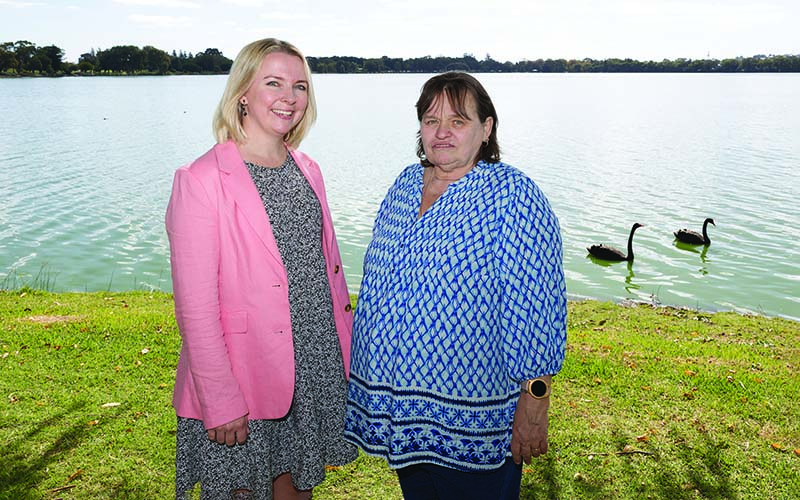
In Aboriginal culture, water is life, holding powerful spiritual and cultural significance and acting as a vital source of connection, food and medicine.
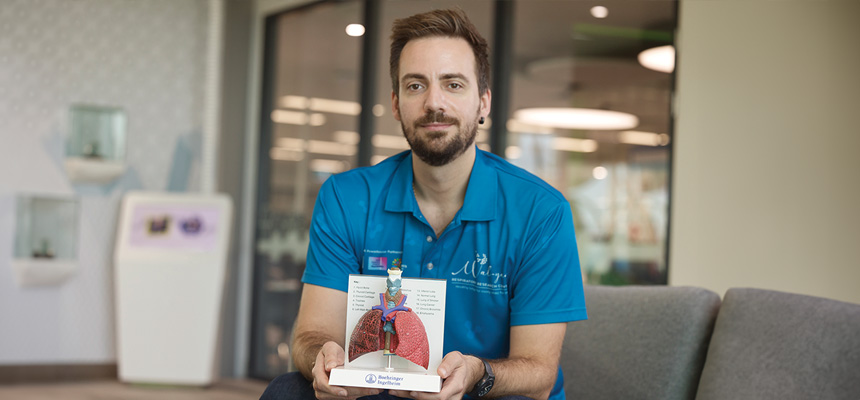
An exciting study is investigating whether a new therapeutic treatment for asthma will protect young sufferers from ongoing lung damage and improve their long-term health outcomes.
A vaccine that prevents GAS cellulitis and other skin infections, in addition to throat infections, would maximise its value and commercial viability
Severe lower leg cellulitis recurrences are frequent, and each episode increases the likelihood of subsequent recurrence and length of hospitalization

Six researchers from The Kids Research Institute Australia have been awarded $8.9 million in prestigious Investigator Grants from the National Health and Medical Research Council.

In this blog, Speech Pathology Clinical Lead Aria May discusses serve and return interactions to promote connection and communication with your child.
Energy drinks (EDs) claim to boost mental performance, however, few studies have examined the prospective effects of EDs on mental health. This study examined longitudinal associations between ED use and mental health symptoms in young adults aged 20 years over a 2-year period.
The Wesfarmers Centre is pleased to announce the successful applications for the 2016 Round 2 Wesfarmers Centre Seed Funding.