
Search
Showing results for "early lung health"

Rett syndrome is one of the 8,000 rare genetic diseases that collectively affect up to 10% of the population.
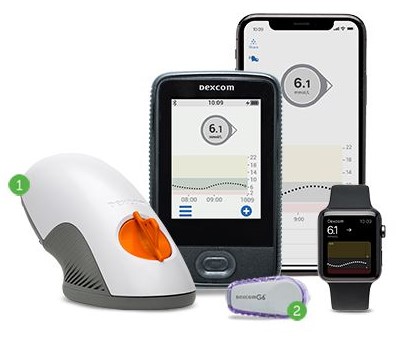
A new Q&A series focusing on the different research themes within the Children’s Diabetes Centre - technology.

Born two weeks early, six-month-old Braxton Lewis’ entry to the world could have been vastly different if not for a service dedicated to improving pregnancy outcomes for Aboriginal women in WA’s East Pilbara.
Risk factors for non-communicable diseases (NCDs, cardiovascular diseases, cancers, chronic respiratory diseases, diabetes, and mental disorders) arise in adolescence but are mostly framed as relevant to health in adulthood; little is known about the relationship between co-occurring NCD risks and mental wellbeing in young people.
Review the hospital-based research that the Wesfamers Centre of Vaccines & Infectious Diseases conducts.
Mental ill-health and substance use bear significant public health burden on young people. Prevention is key. Trauma-informed approaches to prevention of mental ill-health and substance use demonstrate significant promise, yet it is unclear how well existing approaches work for young people targeting mental ill-health and substance use. This review aimed to assess the effectiveness, feasibility, and acceptability of trauma-informed mental ill-health and/or substance use prevention programs for young people.
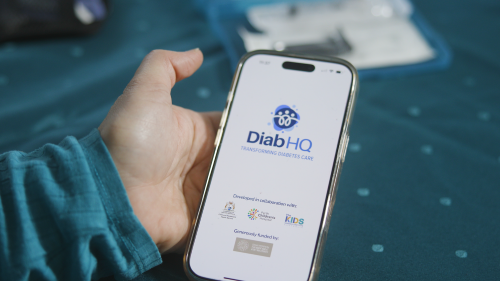
Following the successful launch of the DiabHQ mobile app last November, we're now moving into the exciting next phase and need your voice.
We demonstrate that NOTCH3 is a regulator of MUC5AC production
Determinants of culture success through retrospective analysis of a program of routinely brushing children with Cystic Fibrosis airway disease
Japan recently experienced a record surge in streptococcal toxic shock syndrome. Our environmental surveillance study reveals that Streptococcus pyogenes persists seasonally, peaking in autumn and winter in rural Japan. The dominant emm1 M1UK sublineage and csrS mutations heighten virulence, highlighting the urgent need for targeted surveillance and interventions.