
Search
Showing results for "clinical trials"
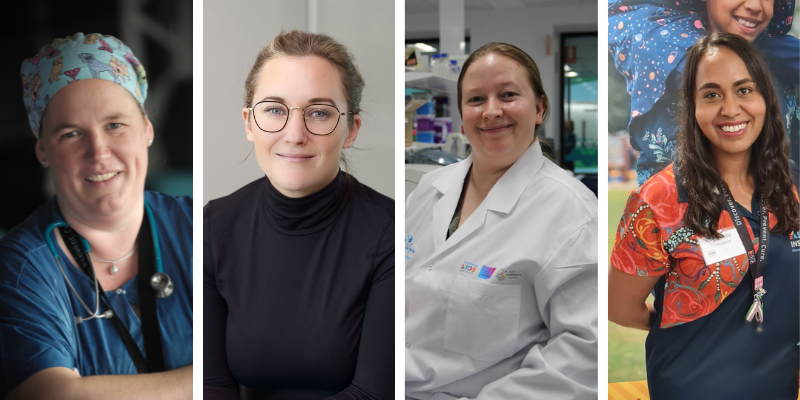
Four The Kids Research Institute Australia researchers – working across diverse fields including paediatric anaesthesia, bioinformatics, ear health, and the health impacts of biodiesel exhaust – have been named as finalists in the 2021 Premier’s Science Awards.
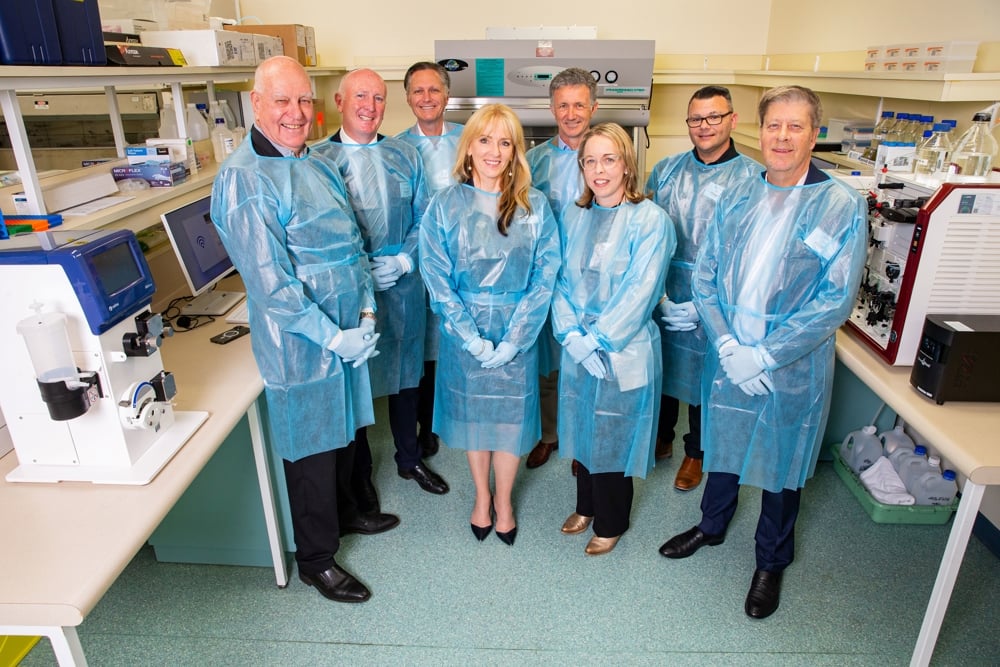
Patients battling antibiotic-resistant superbugs will soon have access to life-saving WA-made therapies that could help treat lung, skin and ear infections as well as bacterial infections like Golden Staph. Western Australia's inaugural phage manufacturing facility – spearheaded by a team at the

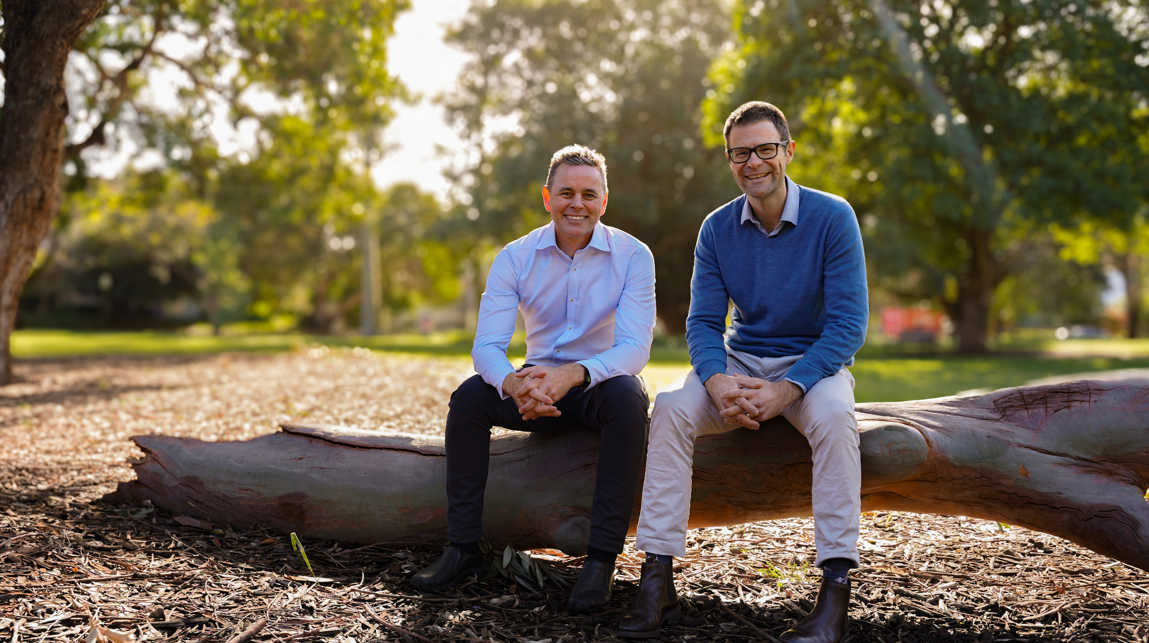
In this article, Deputy Director of the Kids Research Institute Australia, Andrew Whitehouse explores why diagnosis rates have risen and what proposed NDIS reforms could mean for autistic children, families and future access to supports. Published by The Conversation on the 15th April 2026
A bold new research project by researchers from CliniKids at The Kids Research Institute Australia will improve communication outcomes for autistic kids.
Join us! Get involved with The Kids through providing a donation, volunteering your time, participating in important research, or with a professional commitment to the institute.
On this Research Impact page, we showcase real game-changers - research that changes the very way other scientists around the world think and approach challenges. The far-reaching impact on children and families for all the stories shown on these pages is both exciting and significant.

The Adolescent Health and Wellbeing team works in partnership with young people to understand their priority needs and the best ways to address these. This includes informing evidence-based policies and co-designing accessible and responsive health services.
The social media application TikTok allows users to view and upload short-form videos. Recent evidence suggests it has significant potential for both industry and health promoters to influence public health behaviours. This protocol describes a standardised, replicable process for investigations that can be tailored to various areas of research interest, allowing comparison of content and features across public health topics.
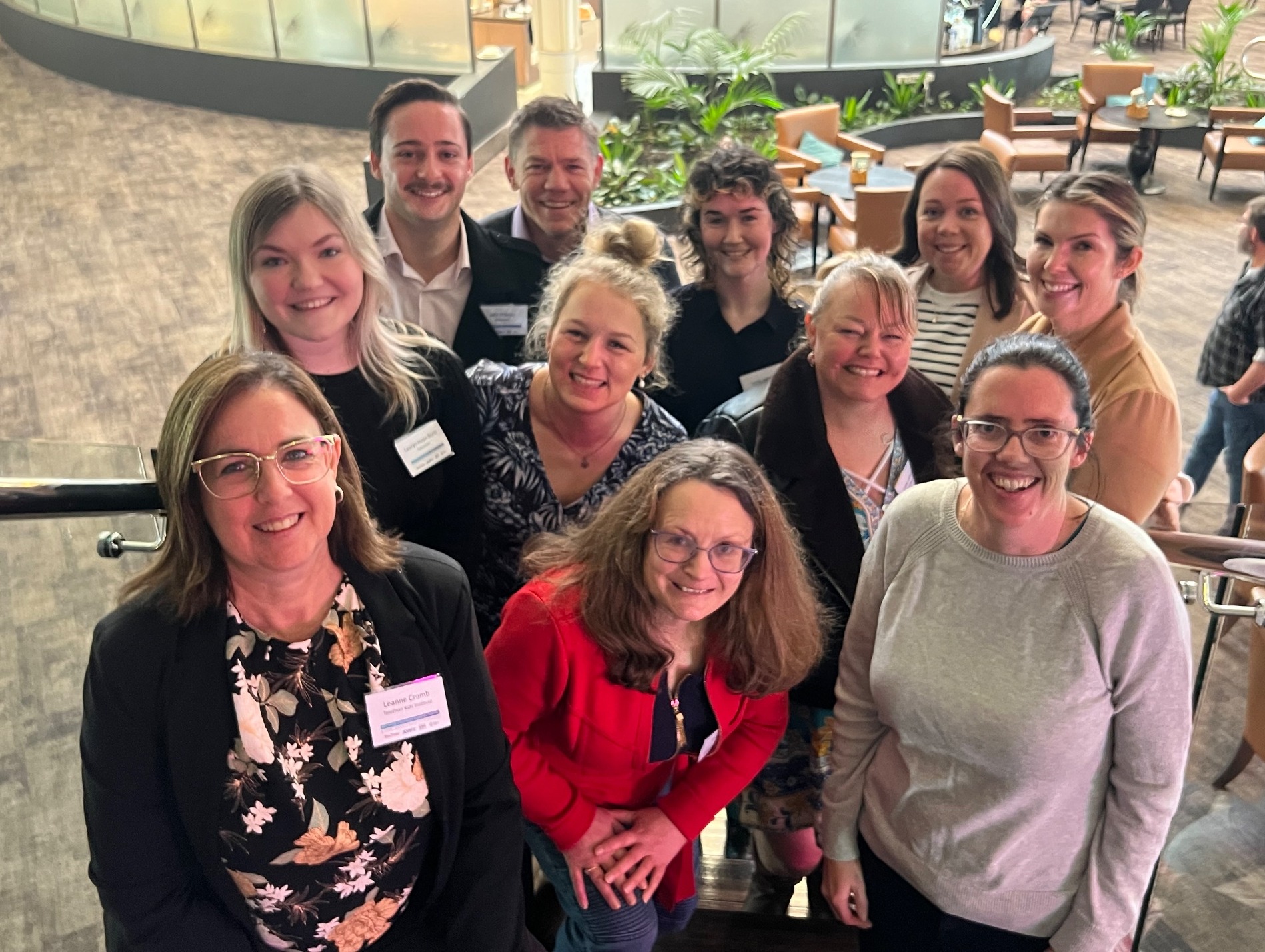
National committee members are a really important part of our research projects. Find out what they have been working on.

A new ongoing Q & A series focusing on different research themes within the Children’s Diabetes Centre - focus: mental health and schools teams.