
Search
Showing results for "mental health aboriginal"
Emerging data suggest that air pollution is a persistent source of neuroinflammation, reactive oxygen species, and neuropathology that contributes to central nervous system disorders. Previous research using animal models has shown that exposure to diesel exhaust causes considerable disruption of the blood-brain barrier, leading to marked neuroinflammation.
To establish the burden of respiratory illness in cerebral palsy (CP) on the Western Australian health care system by quantifying the costs of respiratory hospitalizations in children with CP, compared with non-respiratory hospitalizations.
Understanding the temporal dynamics of mosquito populations underlying vector-borne disease transmission is key to optimizing control strategies. Many questions remain surrounding the drivers of these dynamics and how they vary between species-questions rarely answerable from individual entomological studies (that typically focus on a single location or species).
The clinical consequences of an antibiotic allergy label are detrimental, impacting health care delivery and patient outcomes. We assessed hospital inpatients with intent to offer free antibiotic allergy labeling assessment within a randomized controlled trial. We sought to determine the feasibility of establishing an adult antibiotic allergy delabeling service in a Western Australian tertiary public hospital.
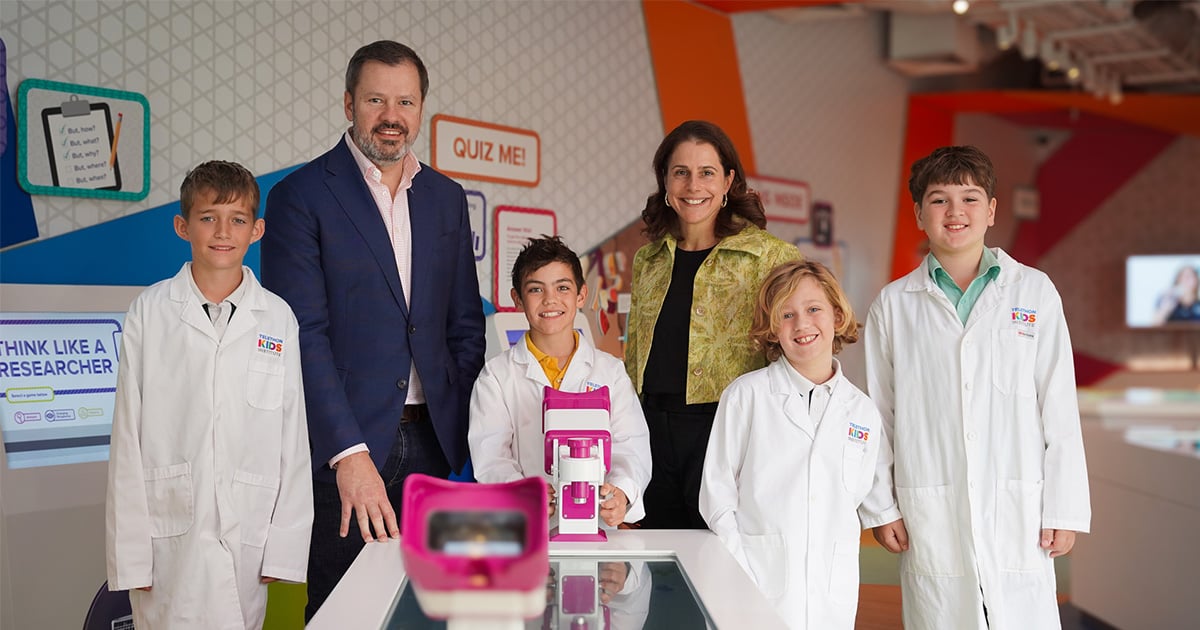
The Kids Research Institute Australia will bring science to the Kimberley for a second year in 2024 after the Federal Government today announced a $20,000 grant for the Institute to deliver the Broome STEM Festival.
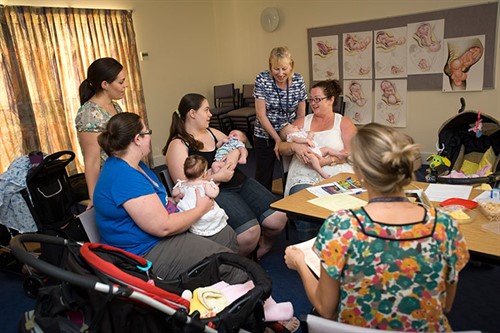
Rockingham women are being urged to take part in a program trial aimed at guiding and supporting mums-to-be through a safe and healthy pregnancy.
A new study by the Telethon Institute for Child Health Research has called for better collection of data on food sugar levels as obesity levels continue to rise
In a world first, 96 per cent of communities in Australia now have vital information about their children's development
Child health expert Professor Fiona Stanley has welcomed today's commitment to proceed with mandatory fortification of food with folate.

ORIGINS is now offering telehealth appointments for the paediatric assessment at the one- and three-year timepoints