
Search
Showing results for "mental health aboriginal"
Find out more about the scholarship opportunities at the Wesfarmers Centre, including Training Scholarships and Higher Degree by Research Scholarships.
Access world-leading evidence from Australia’s largest longitudinal birth cohort study, uncovering how early environments influence the development of chronic disease across a generation.
Supporting healthy tummies in bubs
Neuromuscular disorders include many rare conditions, such as Duchenne Muscular Dystrophy and Spinal Muscular Atrophy, that adversely impact respiratory health.
Your Stories Get in touch If you would like to share your story or chat through something in particular, please reach out. April Welsh Development
The Kids Research Institute Australia Government Relations Advisor Fiona Roche said the BEACHES project was a great example of how the Institute is increasingly working in partnership with Government
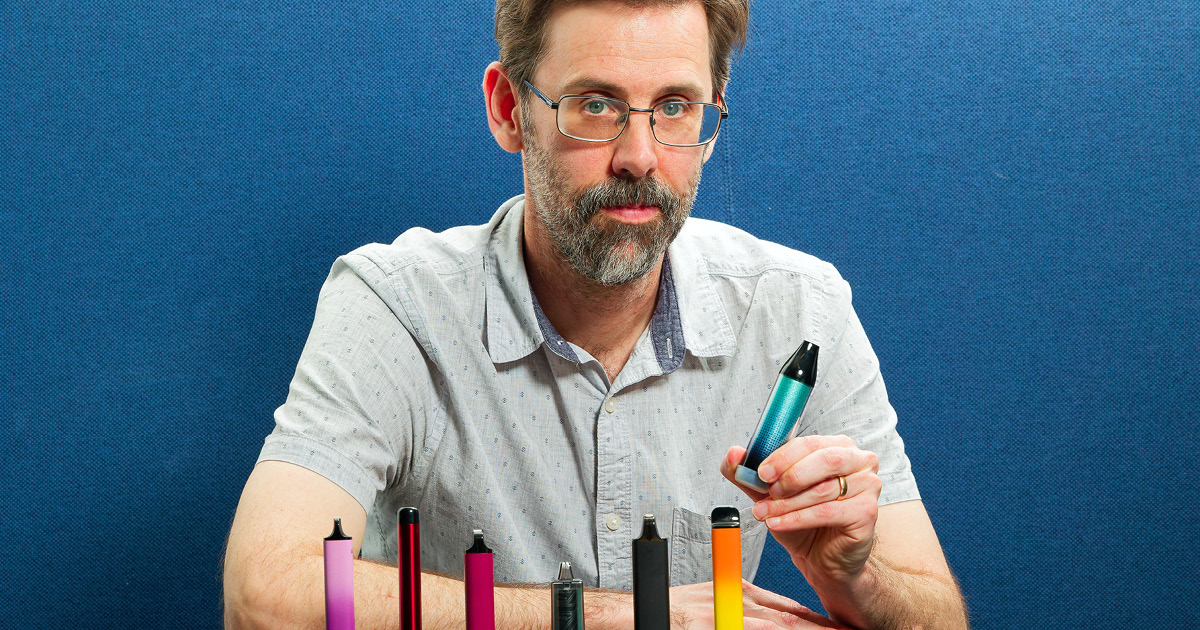
Formative research undertaken by The Kids Research Institute Australia has helped inform tough new laws introduced by the Federal Government to reduce the harm caused by vapes.
Critical Events in Anaesthetised Kids undergoing Tracheal Intubation (CRICKET) is a prospective, international multicentre observational study with the objective of capturing, assessing, and analysing critical events associated with tracheal intubation in children.
Head-mounted devices (HMDs) have been explored in anaesthesia education for their unique ability to have head-tracked immersive simulations adaptable to diverse clinical scenarios. This scoping review examines how HMD-based augmented or virtual reality enhances anaesthetic skill learning in clinicians, trainees, and students.
The administration of inhaled antibiotics to patients with upper or lower respiratory infections is sometimes conducted via a tracheostomy airway. However, precise dosing via this route remains uncertain, especially in spontaneously breathing paediatric patients.