
Search
Showing results for "Childhood interstitial lung disease "
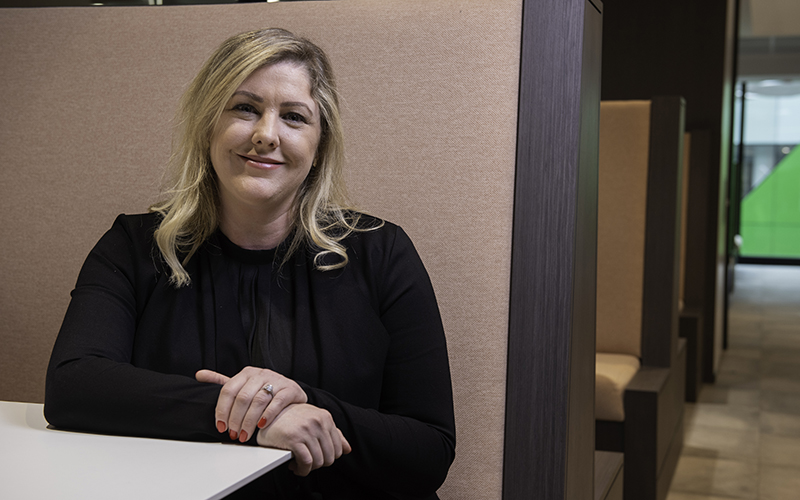
Congratulations to Associate Professor Rebecca Glauert, Head of the Developmental Pathways and Social Policy Team at The Kids Research Institute Australia and an internationally recognised expert in data linkage.
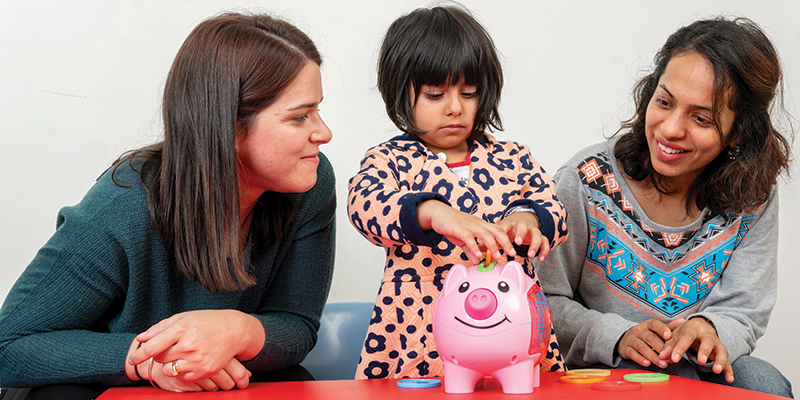
A unique new model developed by the The Kids autism research team marries cutting-edge research with clinical practice to offer families innovative, evidence-based interventions designed to help kids reach their full potential.
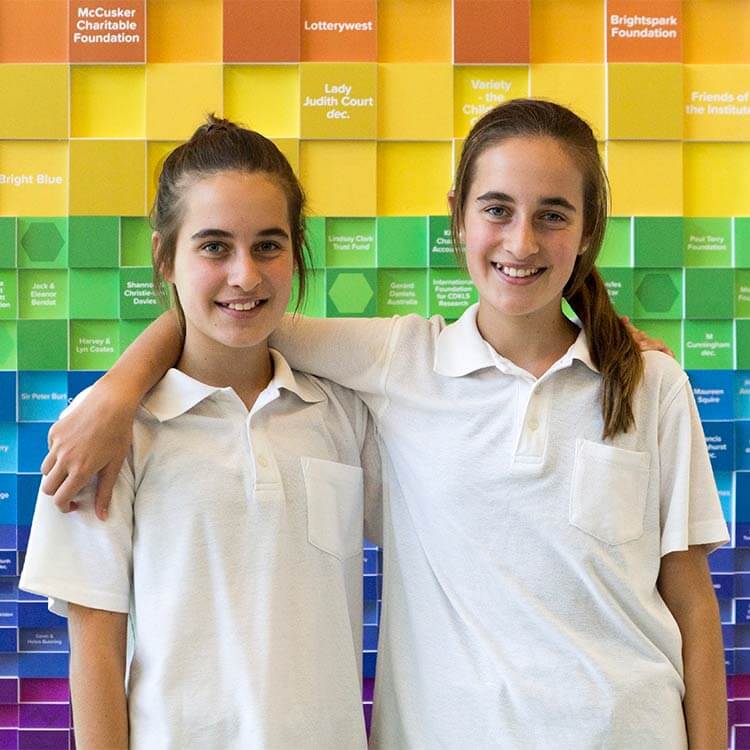
A world first study of language development in toddler twins confirms the widely held belief that twins start to talk later than single-born children.
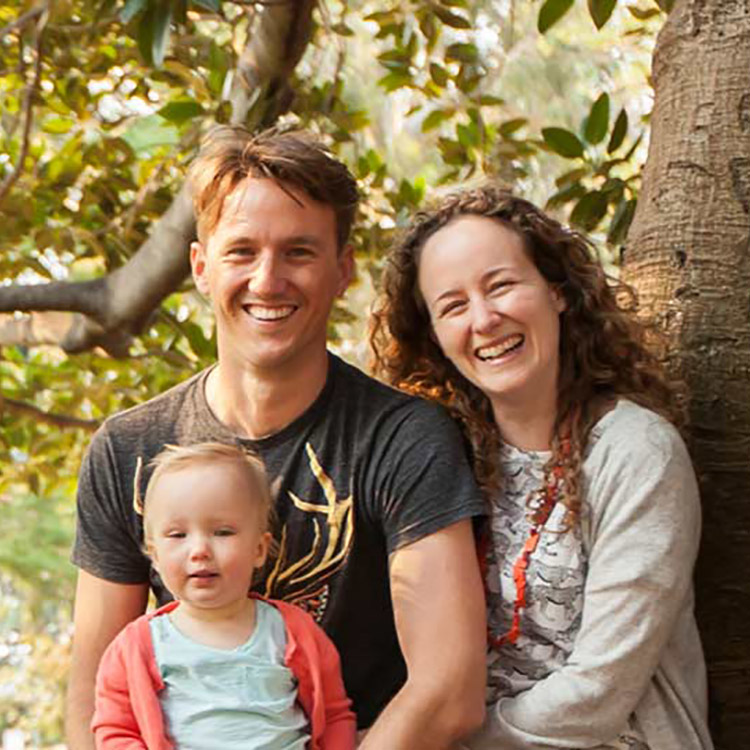
A new study looking at the receptive language development of young children has highlighted the need to monitor kids over time to ensure they don't fall behind.
A new study from Perth's The Kids for Child Health Research has uncovered more evidence of a link between early testosterone levels and autism.
findings from the Telethon Institute for Child Health Research that show relatively common stressful events during pregnancy do not have a long term impact
A research collaboration between Australia and Israel has identified a genetic variation that influences the severity of symptoms in Rett syndrome.
New guidelines a model for better management of rare conditions
Girls and young women with Rett syndrome are nearly four times more likely to suffer a fracture.
A new report from Perth's The Kids for Child Health Research has found a strong link between childhood ear infections and exposure to tobacco smoke.