
Search
Showing results for "early lung health"

The link between increasing anxiety among young children and too much screen time at the expense of “nature time” will be the focus of a new Perth study.
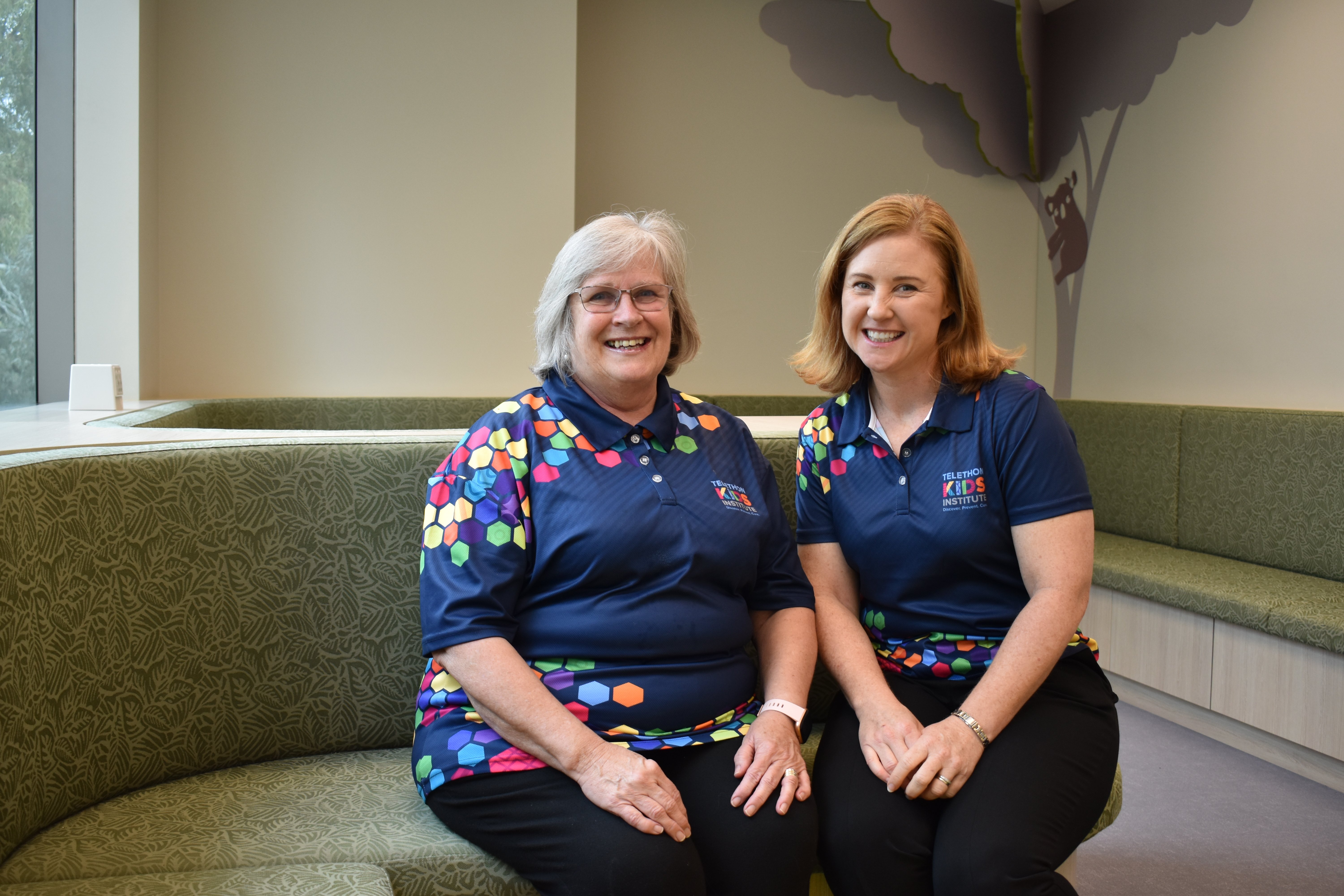
CliniKids recently welcomed Gayle, Tarryn and Emma to the clinical team. The clinicians will be located out our new Joondalup clinic, which will be welcoming families in Term 4.
Despite initial improvements in survival of infants with ALL since establishment of the first pediatric cooperative group ALL trials, the poor outcome has...
Adolescent birth rates in Lao People's Democratic Republic (PDR) remain the highest in Southeast Asia. There is growing recognition that adolescent pregnancy in Lao PDR is occurring within and outside marriage, but there is a lack of robust qualitative evidence to understand girls' pathways to adolescent pregnancy and contributing factors, especially outside of union (cohabitation or marriage).
In the last decade, reduction in adolescent fertility rates in Indonesia has slowed despite national programmes and policies focused on addressing child marriage. Indonesia currently has the highest number of births to adolescent girls aged 15-19 years in Southeast Asia. There is a need to develop a more nuanced understanding of the drivers of adolescent pregnancy in Indonesia to inform programmes and policies tailored to young people's needs and priorities.

A lovable blue creature by the name of Bobbie has won the hearts and minds of Western Australians.

The important role of vitamin D in early development is the focus of research that has uncovered links between vitamin D levels and healthy growth of the baby d
With the emergence of allergic and autoimmune diseases in populations that have started to transit to a western lifestyle, there has been an increasing...
Medulloblastoma is curable in approximately 70 % of patients. Over the past decade, progress in improving survival using conventional therapies has stalled...
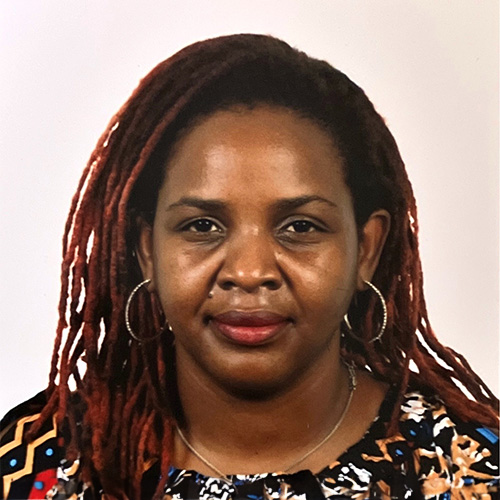
Josephine is a Senior Research Fellow within the Global Disease Modelling team, specializing in quantitative and qualitative evidence generation using epidemiological, statistical, and mathematical modelling methods.