
Search
Showing results for "Childhood interstitial lung disease "
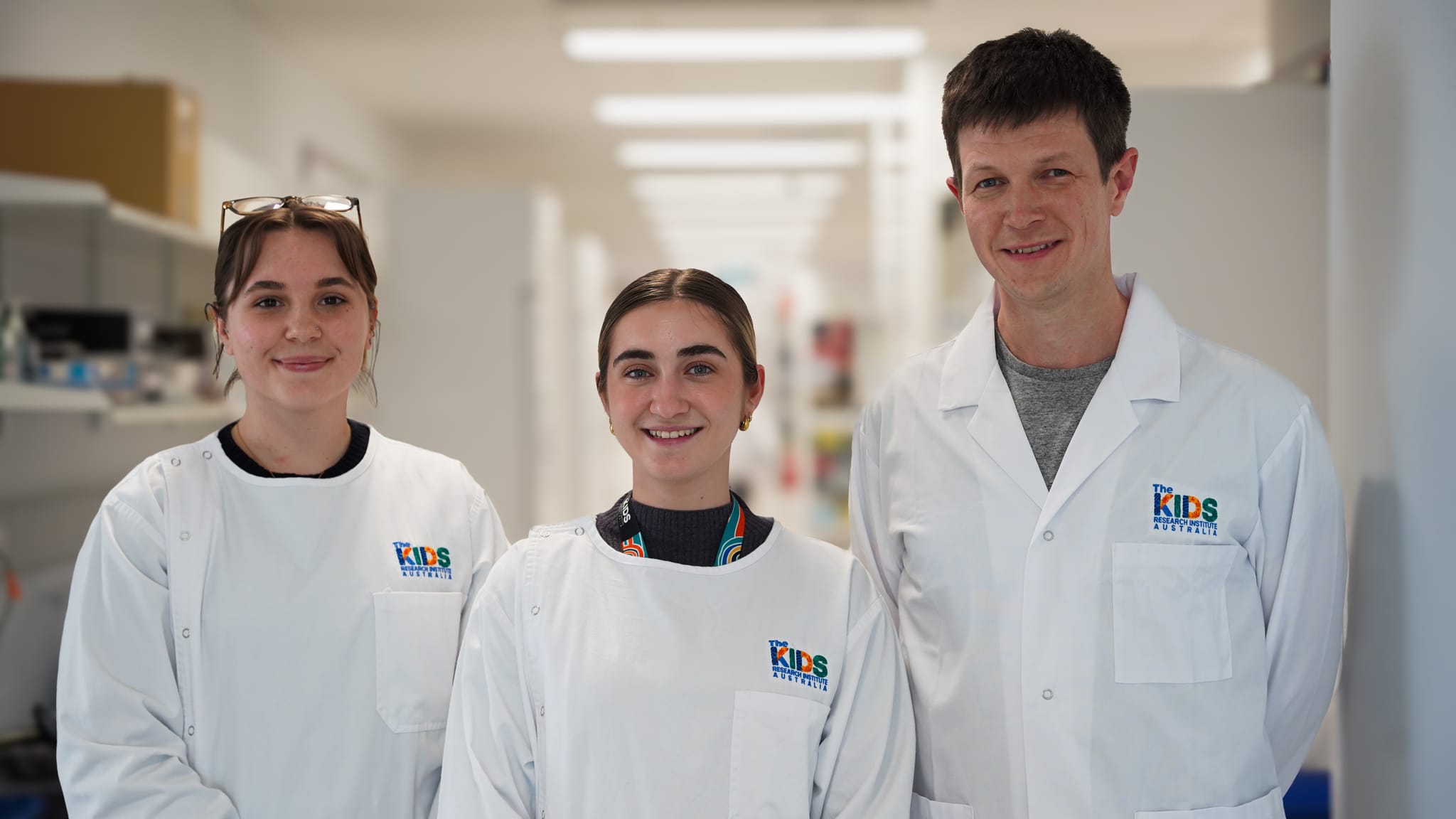
New research digs deeper into how children's immune systems handle viral challenges

Leading child health researcher Professor Donna Cross has been appointed as Director of the new Early Childhood Development and Learning Collaboration, hosted b
Rheumatic heart disease (RHD) is a chronic cardiac condition with an infectious aetiology, causing high disease burden in low-income settings.
Despite decades of research, the mechanisms of ventilator-induced lung injury are poorly understood...
The Opportunity An opportunity for an experienced Research Officer to cover a period of Maternity Leave relief 2-3 days per week from February 2019
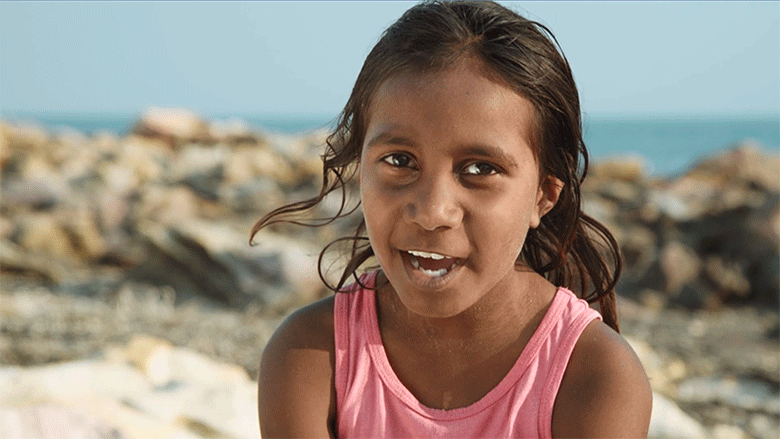
The Kids Research Institute Australia is proud to announce the launch of a world class Centre of Research Excellence in rheumatic heart disease (RHD).
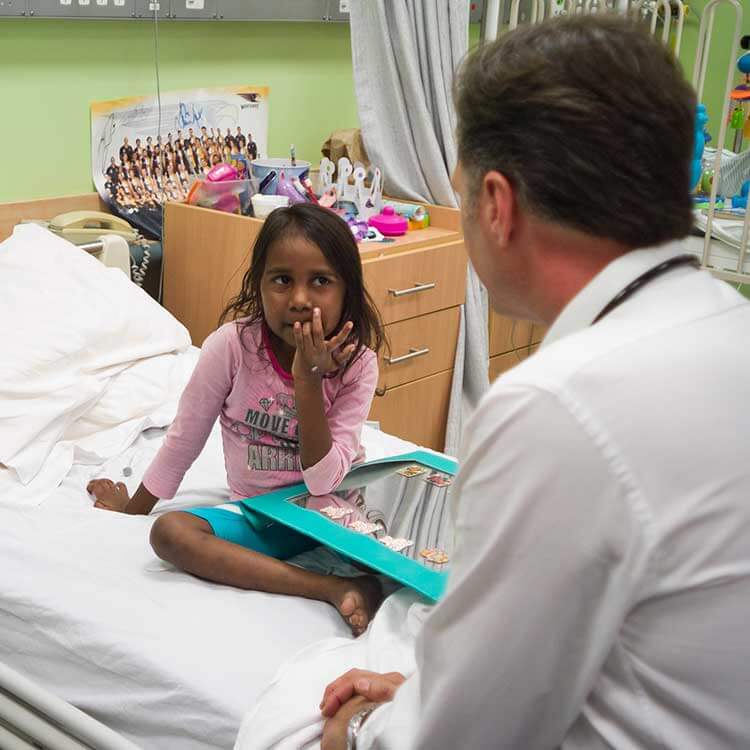
What would you discover to help a child? At The Kids, our researchers are committed to Rheumatic heart disease research that makes a real difference.
Heart valve disease (HVD) can cause morbidity and impairment of quality of life (QOL) both before and after intervention. However, descriptions of the QOL of people with HVD across the disease course are limited. We aimed to collect the experience of people living with HVD through qualitative interviews, focusing on how HVD impacts their self-perceived QOL.
Although children's later experiences can still have an effect, developments in early childhood have long-lasting effects on health, behaviour and learning...
This cohort study examines whether there is a temporal association between SARS-CoV-2 infection and the development of islet autoimmunity among Australian children with a first-degree relative with type 1 diabetes.