
Search
Showing results for "early lung health"
The positive association between caesarean section (CS) and autism spectrum disorder (ASD) may be attributed to preterm delivery.
Delayed or impaired language development is a common developmental concern, yet there is little agreement about the criteria used to identify and classify...
While autism spectrum disorder (ASD) and specific language impairment (SLI) have traditionally been conceptualized as distinct disorders, recent findings...
The current data provide support for Bejerot et al.'s androgyny account since males and females with high levels of autistic-like traits generally showed...
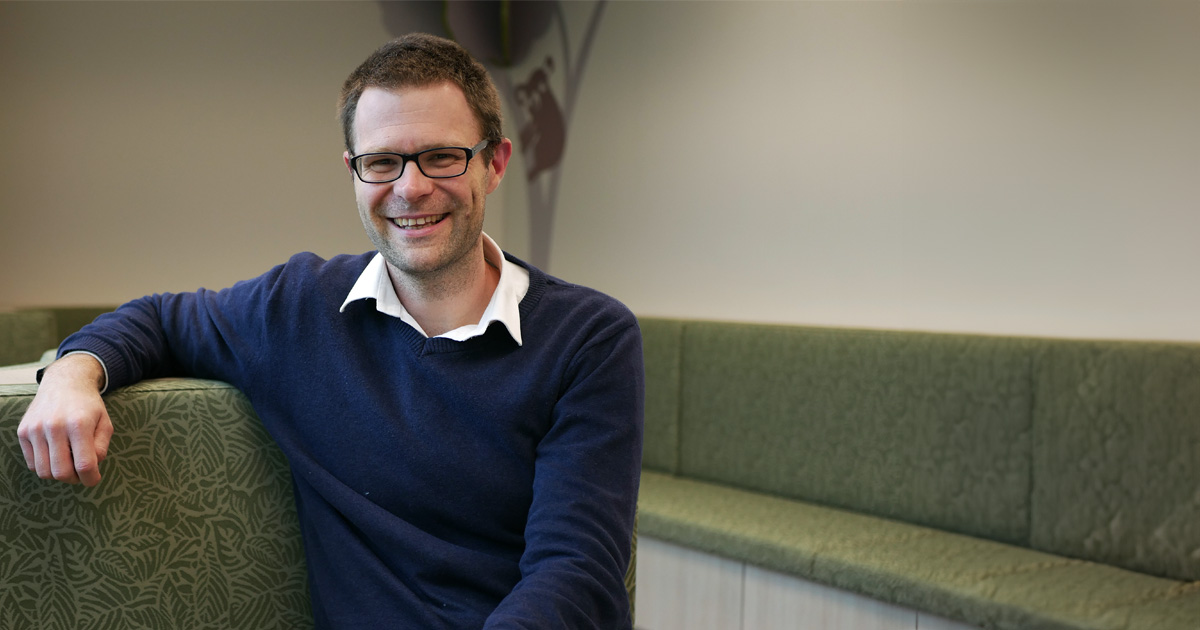
The Kids Research Institute Australia autism researcher Professor Andrew Whitehouse has been inducted as a Fellow to the International Society for Autism Research (INSAR), making him just the fourth Australian to be bestowed the honour.
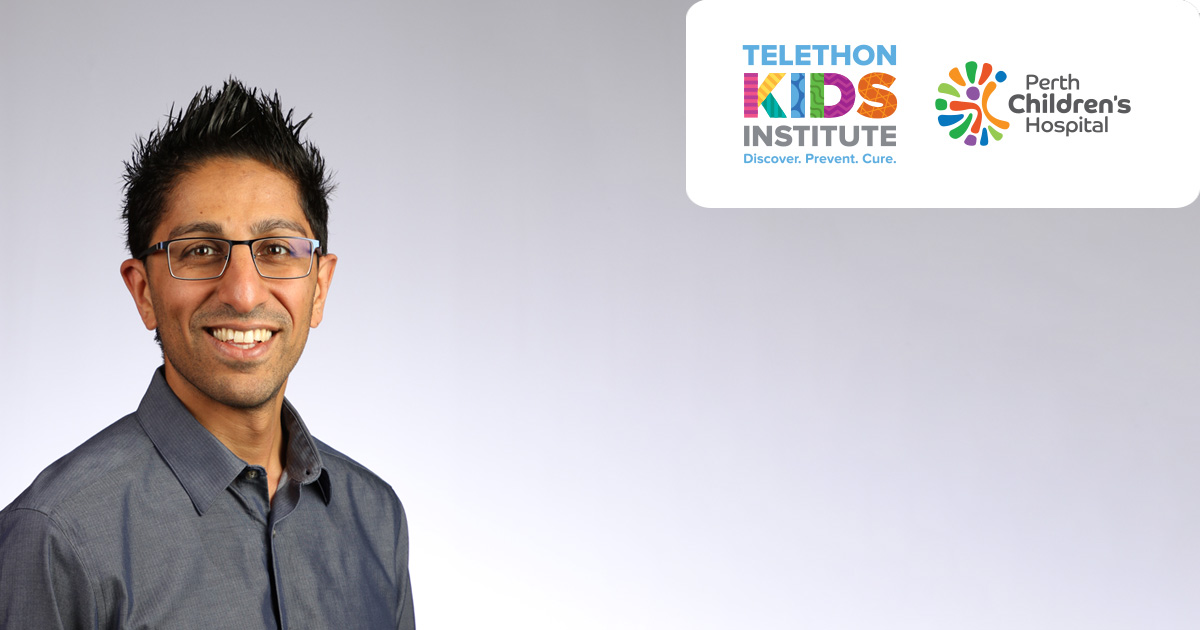
A pilot clinical study, led in Australia by a The Kids Research Institute Australia and Perth Children's Hospital researcher, has found an immunotherapy drug can dramatically increase survival rates for babies with a rare form of leukaemia, paving the way for a major international clinical trial.
We currently have an exciting opportunity for a Director, Strategy and Innovation to join The Kids Research Institute Australia in Perth, WA.
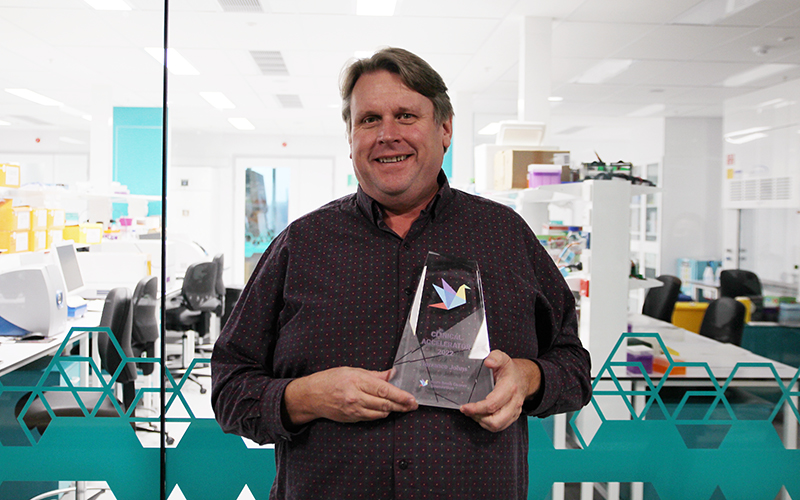
Children with aggressive brain cancers could soon have access to a significant new treatment option, using a unique antibody that stops cancer cells from repairing themselves.
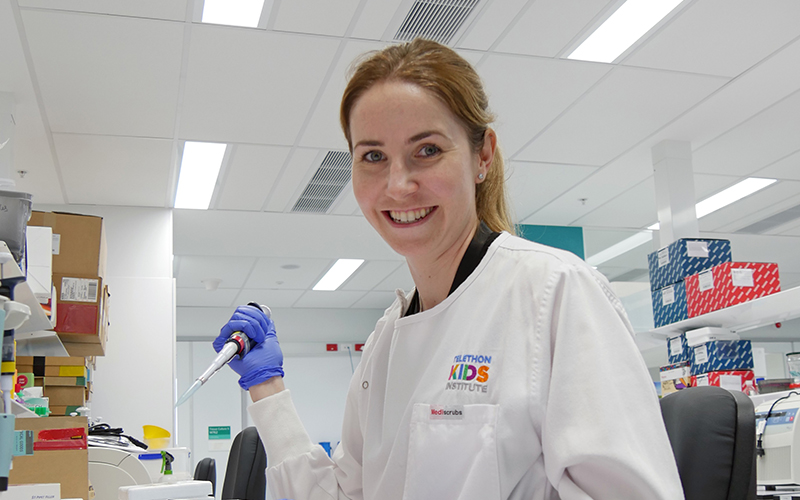
A The Kids Research Institute Australia researcher will work to better understand the immune system mechanisms that cause multiple sclerosis, thanks to a new grant from MS Australia.
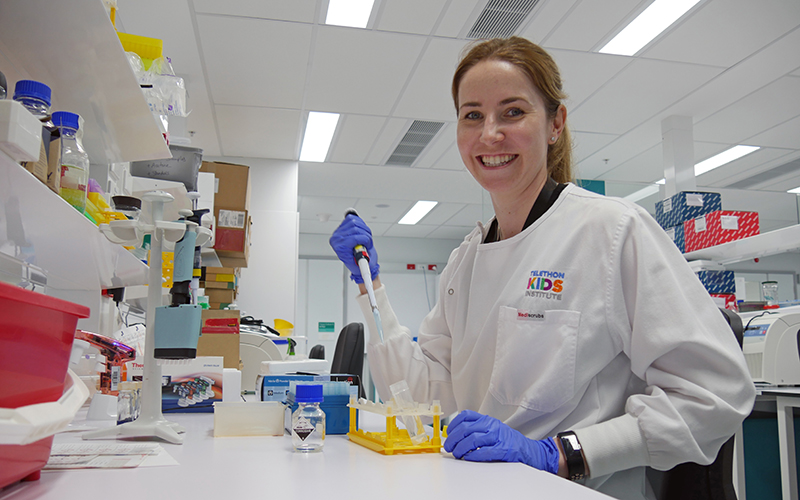
The Kids Research Institute Australia researchers will seek to better understand the relationship between antibodies and inflammation in people with multiple sclerosis (MS), thanks to a generous grant from MS Research Australia.