
Search
Showing results for "early childhood"
This study sought to determine the social and emotional impact of maternal loss on Aboriginal children and young people using data from the Western...
It has been argued that the preponderance of studies into individual smoking cessation therapies seems grossly out of proportion to the number of people...
Are you listening? The inaugural OMOZ Workshop - towards a better understanding of otitis media
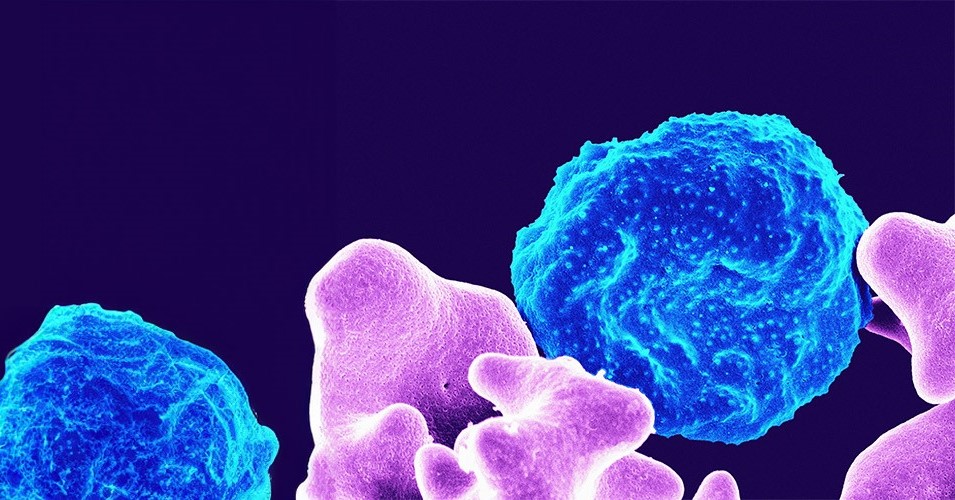
We help shape how the world responds to infectious diseases: guiding vaccine and treatment development, and advising on public health measures to control and eliminate disease. Our mathematical models capture how diseases spread, how severe infections are, and how childhood exposure shapes health across a lifetime.
This study evaluated the clinical utility of the Parent Listening and Understanding Measure (PLUM) questionnaire as a potential screening tool for otitis media (OM) and associated hearing loss in Aboriginal and/or Torres Strait Islander and non-Aboriginal children.
It is well known that children of parents with mental illness are at greater risk of mental illness themselves.
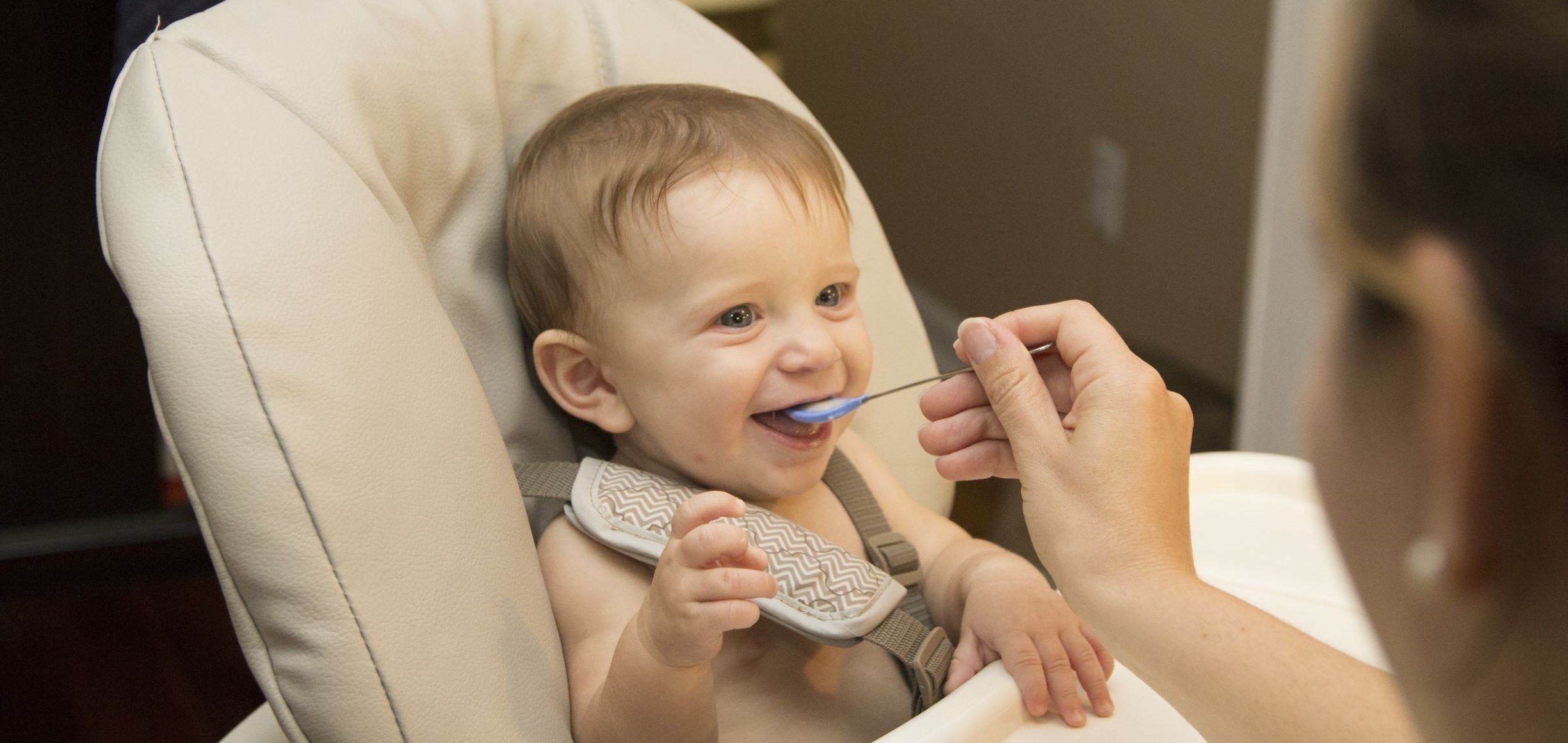
A dramatic rise in food allergies over the past 20 years had Australian medical professionals scratching their heads, with three in every ten babies born each year developing food-related allergy or eczema.
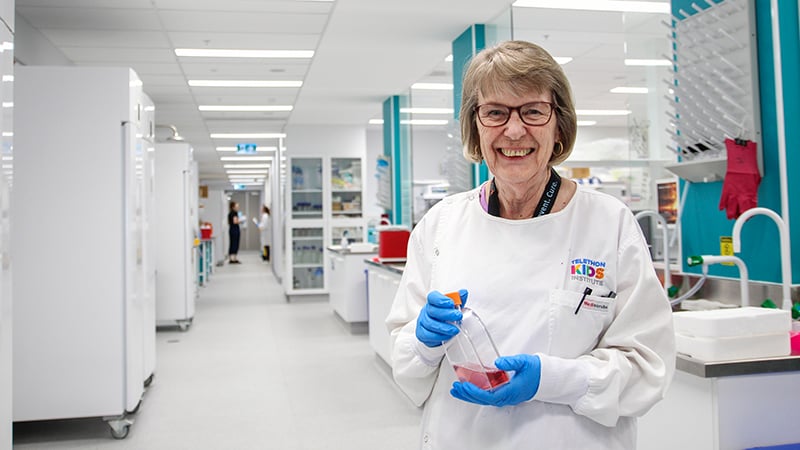
The Institute farewelled one of its most treasured employees this year, as The Kids Cancer Centre research officer Jette Ford closed the door on a quietly stellar 37-year career which has helped to change the face of cancer research in WA and around the world.
Children in Papua New Guinea (PNG) are at high risk of pneumococcal infections. We investigated pneumococcal carriage rates, serotype distribution, and antimicrobial susceptibility in PNG children after vaccination with 10-valent or 13-valent pneumococcal conjugate vaccines (PCV10; PCV13).
Studies on health insurance coverage often rely on measures self-reported by respondents, but the accuracy of such measures has not been thoroughly validated. This paper is the first to use linked Australian National Health Survey and administrative population tax data to explore the accuracy of self-reported private health insurance (PHI) coverage in survey data.