
Search
Showing results for "early lung health"
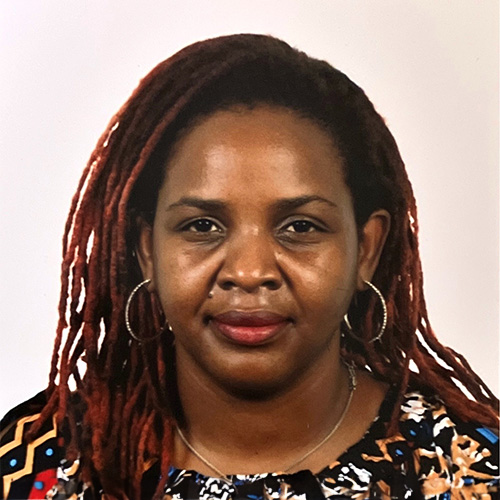
Josephine is a Senior Research Fellow within the Global Disease Modelling team, specializing in quantitative and qualitative evidence generation using epidemiological, statistical, and mathematical modelling methods.
Doctors and other health professionals who care for pregnant women are being encouraged to talk openly to women about the dangers of alcohol in pregnancy.
Jacinta Freeman BScs, MPH Program Manager, Youth Mental Health 6319 1699 Jacinta.freeman@thekids.org.au Program Manager she/her/hers Jacinta has a
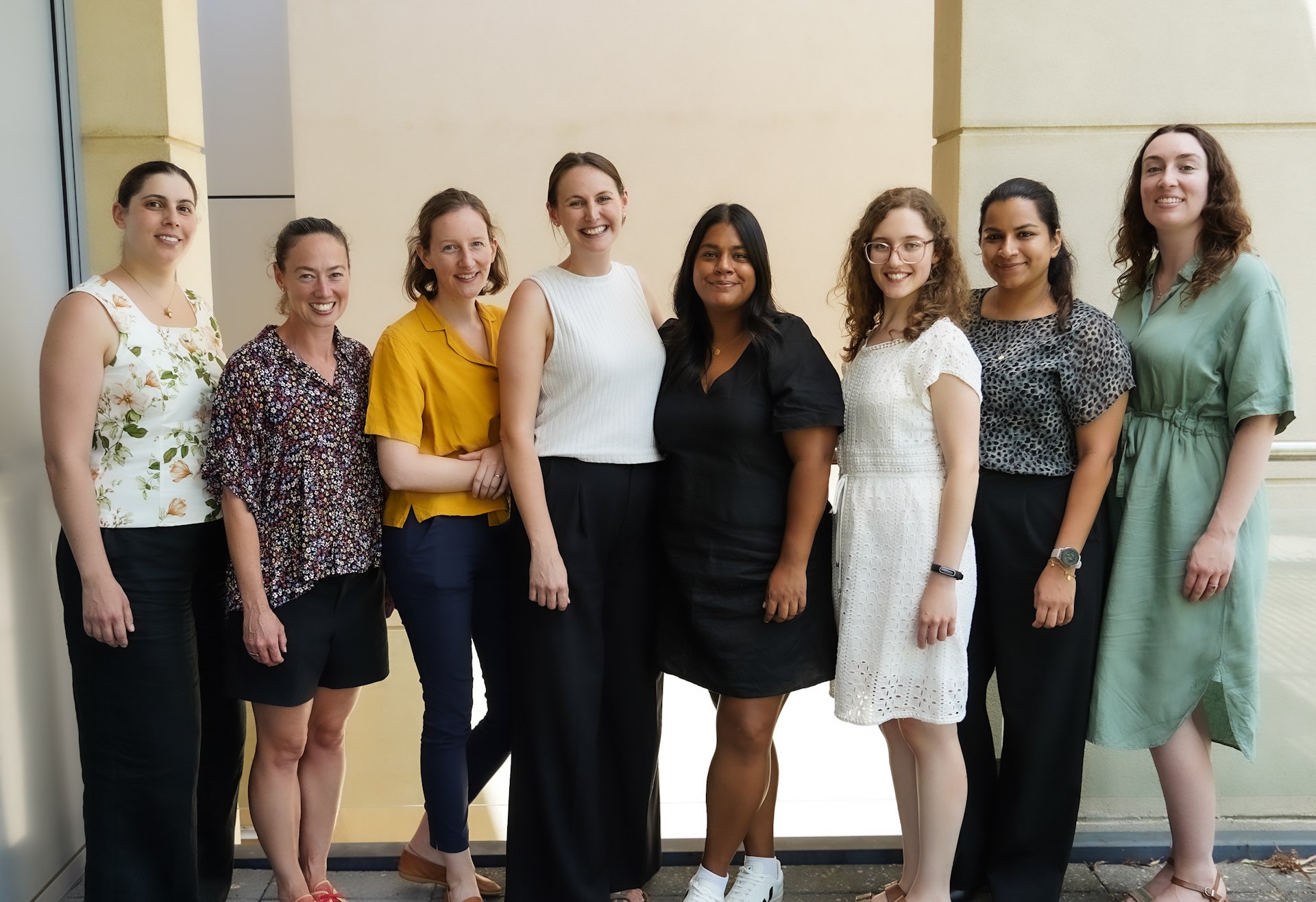
To celebrate International Day of Women and Girls in Science, we asked our research team to share why they became researchers, how autism became their focus and for their top tip for girls interested in pursuing a STEM career.
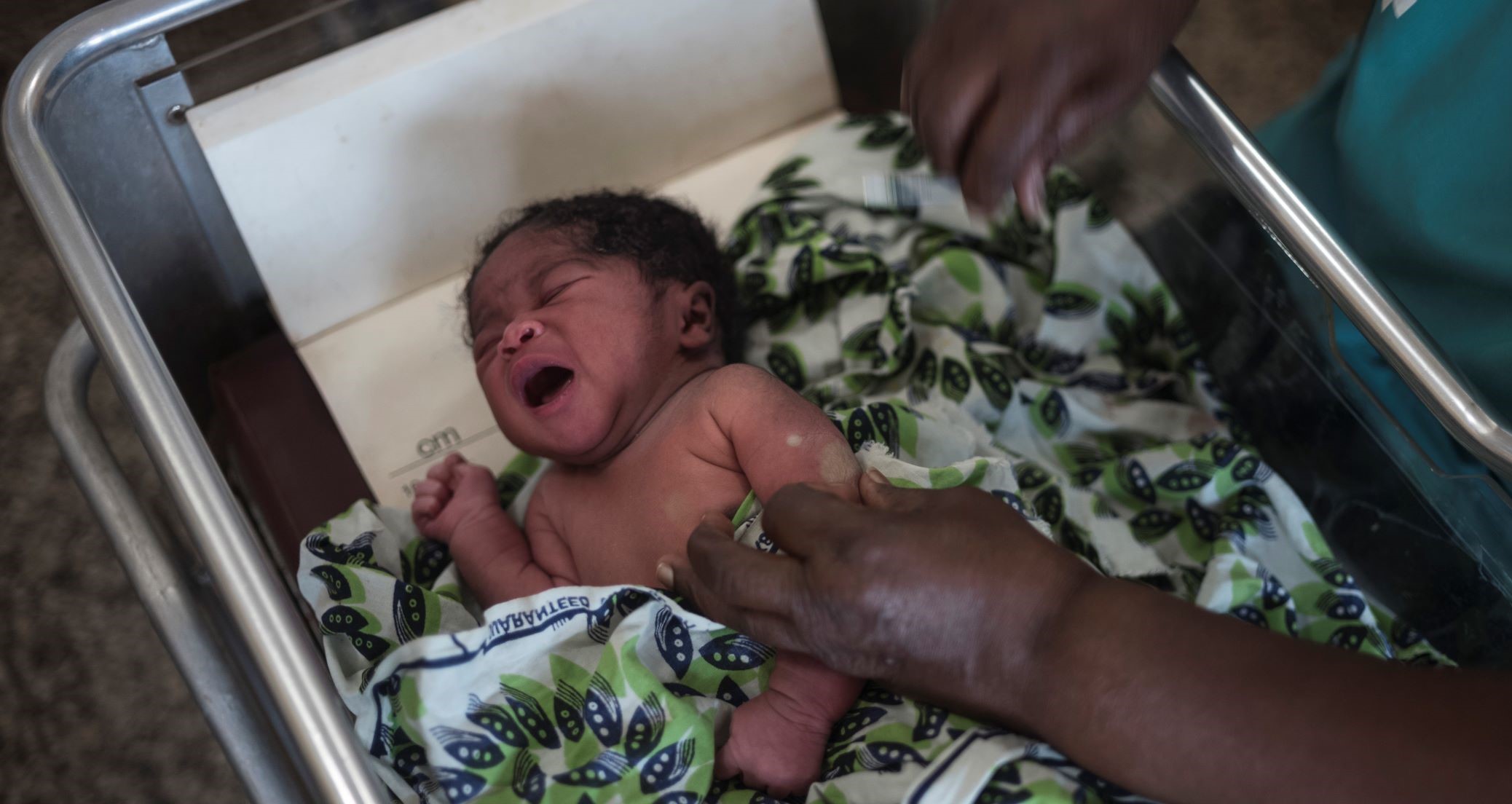
The veteran tuberculosis vaccine BCG has puzzled scientists for decades. Now, The Kids researchers have not only unlocked part of the secret to its success in saving the lives of newborns, but they’re at the forefront of global efforts to test its ability to fight COVID-19.
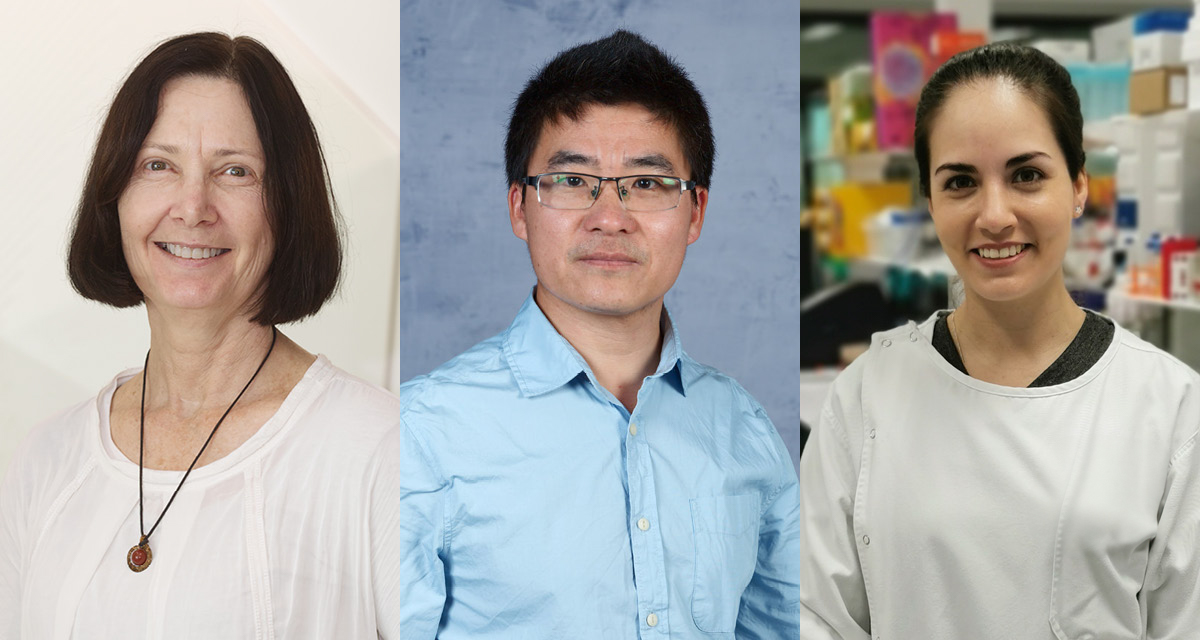
One of the researchers who helped crack the code of 10-year-old Northam girl Charlotte Patterson’s incredibly rare disease has received State Government funding that will allow her to use the same methods to rapidly assess the cases of hundreds more patients living with undiagnosed disease.
Beaches are important settings for physical activity, with their quality (safety, amenities, aesthetics) influencing how well they support health. The quality of beaches may differ across neighbourhoods, with higher socioeconomic status neighbourhoods having disproportionately better access to beaches. This study examined the attributes of and activities taking place in beaches by neighbourhood socioeconomic status.
The JDRF Global Centre of Excellence is being driven by two of Australia’s leading diabetes researchers and clinicians, Professors Liz Davis and Tim Jones based at The Kids Research Institute Australia and Perth Children’s Hospital.
Siu Min is a PhD candidate at The Kids Research Institute Australia and Edith Cowan University. Siu Min is a recipient of 2025/2026 Telethon Trust Fellowship with Child and Adolescent Community Health, for her research in nutrition in young autistic children.
Find publications that have been published about Young Minds Matter or relating to the Young Minds Matter research data.