
Search
Showing results for "mental health aboriginal"

Honorary Research Associate

Research Officer

Honorary Research Associate

The Kids Research Institute Australia is proud to be a part of the Rare Care Comprehensive Centre (RCCC) for children with rare and undiagnosed disease, made possible thanks to one of Western Australia’s biggest philanthropic gifts.

The Kids Research Institute Australia extends its warmest congratulations to health consumer champion Mitch Messer, who won the Community category at the 2024 West Australian of the Year awards last night.

The situation with COVID-19 is constantly evolving, and there is an extraordinary amount of information circulating which can be both overwhelming and difficult to navigate.
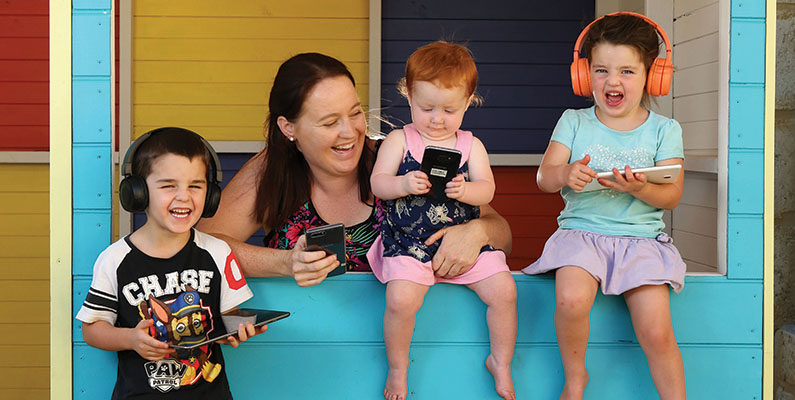
An ORIGINS study aims to find out more about family screen habits to help provide clearer, more realistic advice.
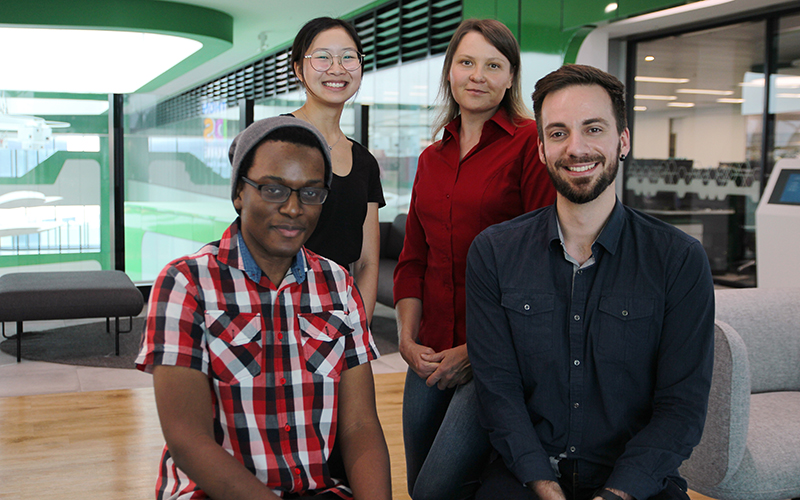
The Artificial Intelligence team at the Wal-yan Respiratory Research Centre is dedicated to delivering AI solutions for major challenges in respiratory healthcare and research.
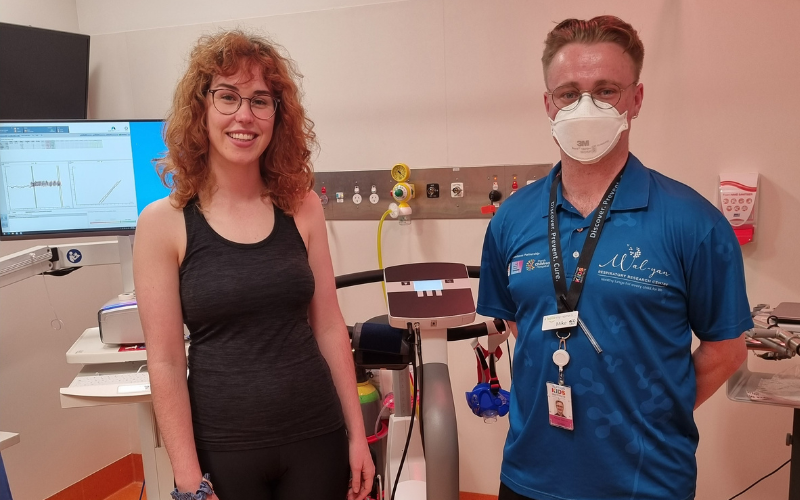
Natasha, who is a participant in the West Australian Lung Health in Prematurity (WALHIP) study, this week became the first person to receive a lung health assessment using new state-of-the-art lung function testing equipment at Perth Children’s Hospital.
Japanese Encephalitis virus is a mosquito-borne virus that is typically only found in south-east Asia.