
Search
Showing results for "early lung health"
Explores the effects of parental work schedules on the mental and physical health of adolescents aged 15-20 in sole-parent families

Program Manager

Honorary Team Member
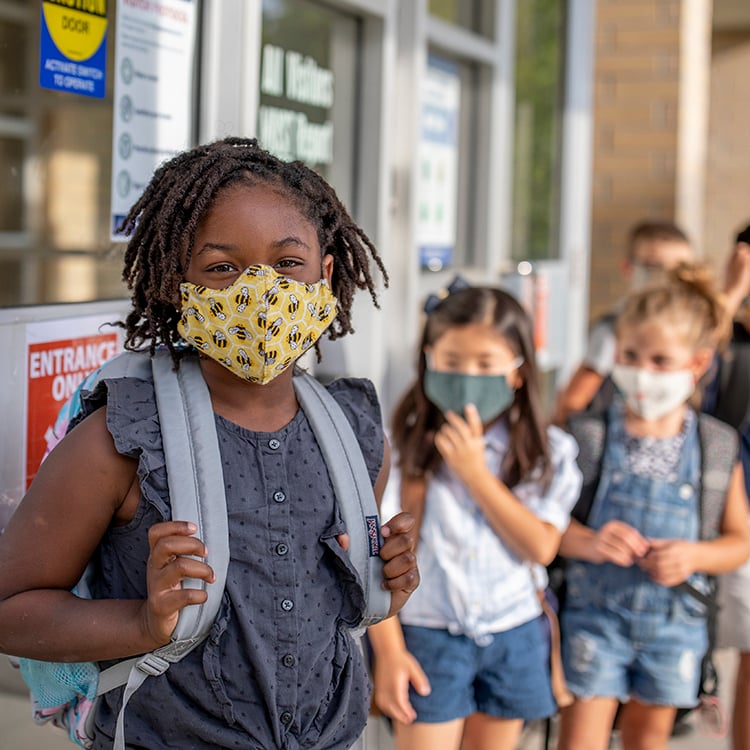
While COVID-19 is new and frightening, these resources are designed to help families tackle the challenges this virus has created for us.
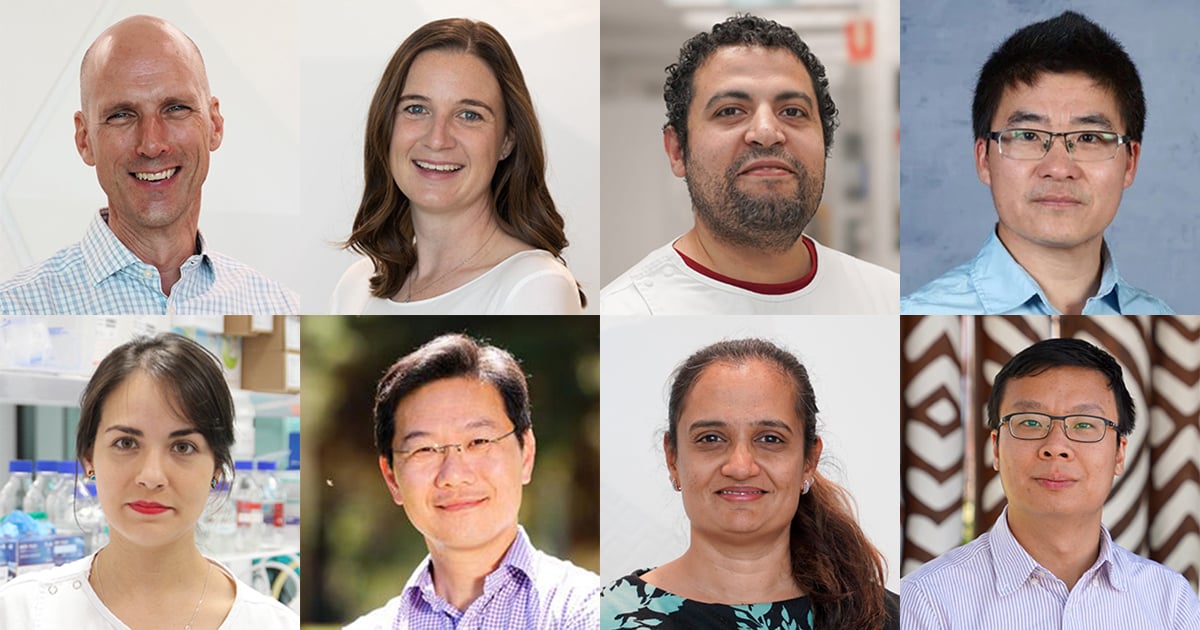
Eight childhood cancer researchers have been awarded over $2 million in transformative grants from Cancer Council WA to advance their pioneering work in improving cancer treatments and outcomes for patients in Western Australia and around the world.
As the frequency of eating out-of-home among Australian families increases, concerns have arisen regarding the nutritional quality of Kids' Menus. This study investigated the views of food business owners and managers on Kids' Menus at sit-down venues, specifically factors influencing the choice of meals offered on Kids' Menus and potential initiatives for enhancing the nutritional quality of these menus.
We have read with interest the new publication by Rouhiainen and colleagues on missed opportunities for preventing or diagnosing acute rheumatic fever (ARF).
Adolescent refugees resettling in Australia are a vulnerable and marginalised population and research to understand their health-care needs remains scarce
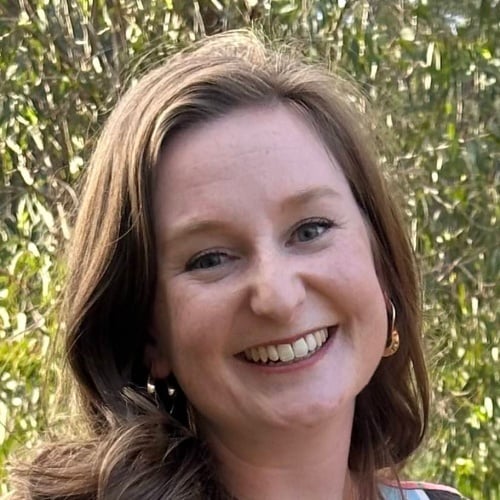
Kezia Bates is a paediatric registrar and research assistant with the Strep A Translation team, based remotely at Australian National University in Canberra.
We know relatively little about the role the neighbourhood built environment plays in promoting young children's physical activity, particularly its longitudinal effect either through repeated exposure to the same environment or through change in exposure by moving from one neighbourhood to another.