
Search
Showing results for "8"
Islet autoantibodies herald early type 1 diabetes. However, less is known of the evolution of autoantibodies to the islet autoantigen ZnT8. Our primary aim was to characterise the development of islet autoantibodies in a pregnancy-birth at-risk cohort and to provide new knowledge about ZnT8A.
The aim of this study was to identify and prioritise the ten most important unanswered themes in rare disease research in Australia by integrating perspectives of key stakeholders, including people living with rare disease, parents/carers, health professionals, and rare disease community advocates.
Dyadic interventions targeting maternal mental health and the mother-infant relationship in the perinatal period are critical due to the potential consequences of perinatal mental illness and relational disturbance for the mother, the infant, and their family. This paper describes the Pregnancy to Parenthood (P2P) model of care, a dyadic mother-infant community-based program designed to support vulnerable families in Western Australia in the context of an identified need to build workforce capacity.
Parental assistance with children's emotion regulation (ER) is a form of emotion socialization behavior that has recently been operationalized with the development of the Parent Assistance with Child Emotion Regulation (PACER) questionnaire.
Father-child attachment during the first five years of life plays a vital role in child health and wellbeing but remains an under-researched area. Recently, self-compassion has emerged as a mechanism through which parent–child attachment may be optimized via its capacity to promote parental mental health and wellbeing, yet little is known about self-compassion among fathers specifically.
Digital mental health is changing the landscape of service delivery by addressing challenges associated with traditional therapy. However, practitioners’ use of these resources remains underexamined.
Western Australia has experienced historically low levels of respiratory syncytial virus (RSV) and influenza this winter due to the public health measures implemented to prevent the spread of COVID-19.
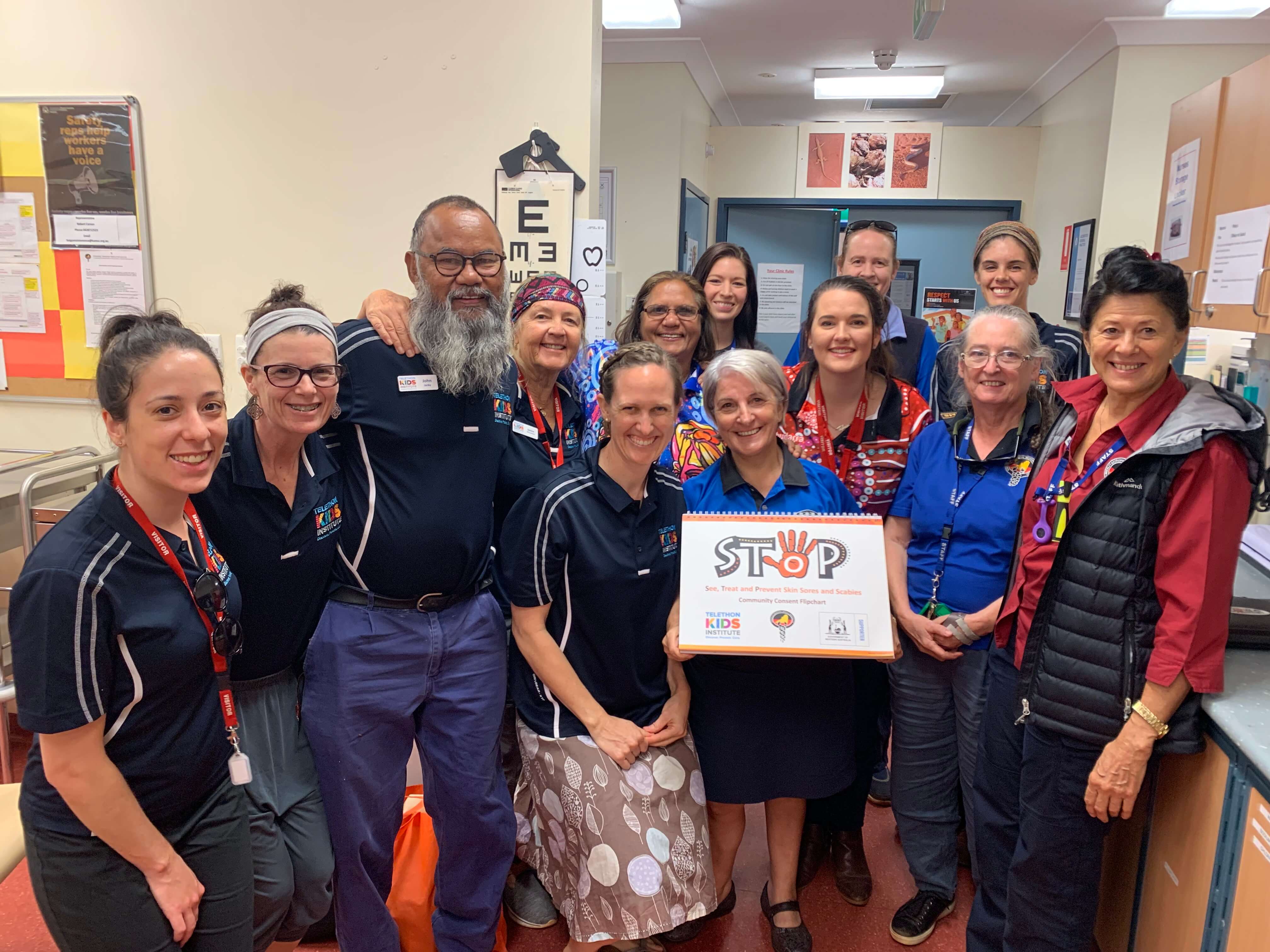
Six weeks, nine community visits and 380 kids – it’s a wrap for round one of the StoP Trial!

The FluBub Study will investigate whether giving the flu vaccine much earlier than the six months currently recommended by the National Immunisation Program will protect babies at the greatest risk of a severe influenza infection when they are most vulnerable.

The Kids researchers have been awarded over $9 million in National Health and Medical Research Council (NHMRC) funding towards child health research including rheumatic heart disease, respiratory infections, and autism spectrum disorder.