
Search
Showing results for "Childhood interstitial lung disease "
Liz Tim Davis Jones MBBS FRACP PhD MBBS DCH FRACP MD Co-director of Children’s Diabetes Centre Co-head, Diabetes and Obesity Research Co-director of

Family: Children are a gift, born from country into a family, ancestry and culture as enduring as the universe.

Leaders of Western Australia’s youth mental health research sector from Embrace at The Kids Research Institute Australia have welcomed the state government’s $420 million boost to mental health spending in its 2023-24 budget.
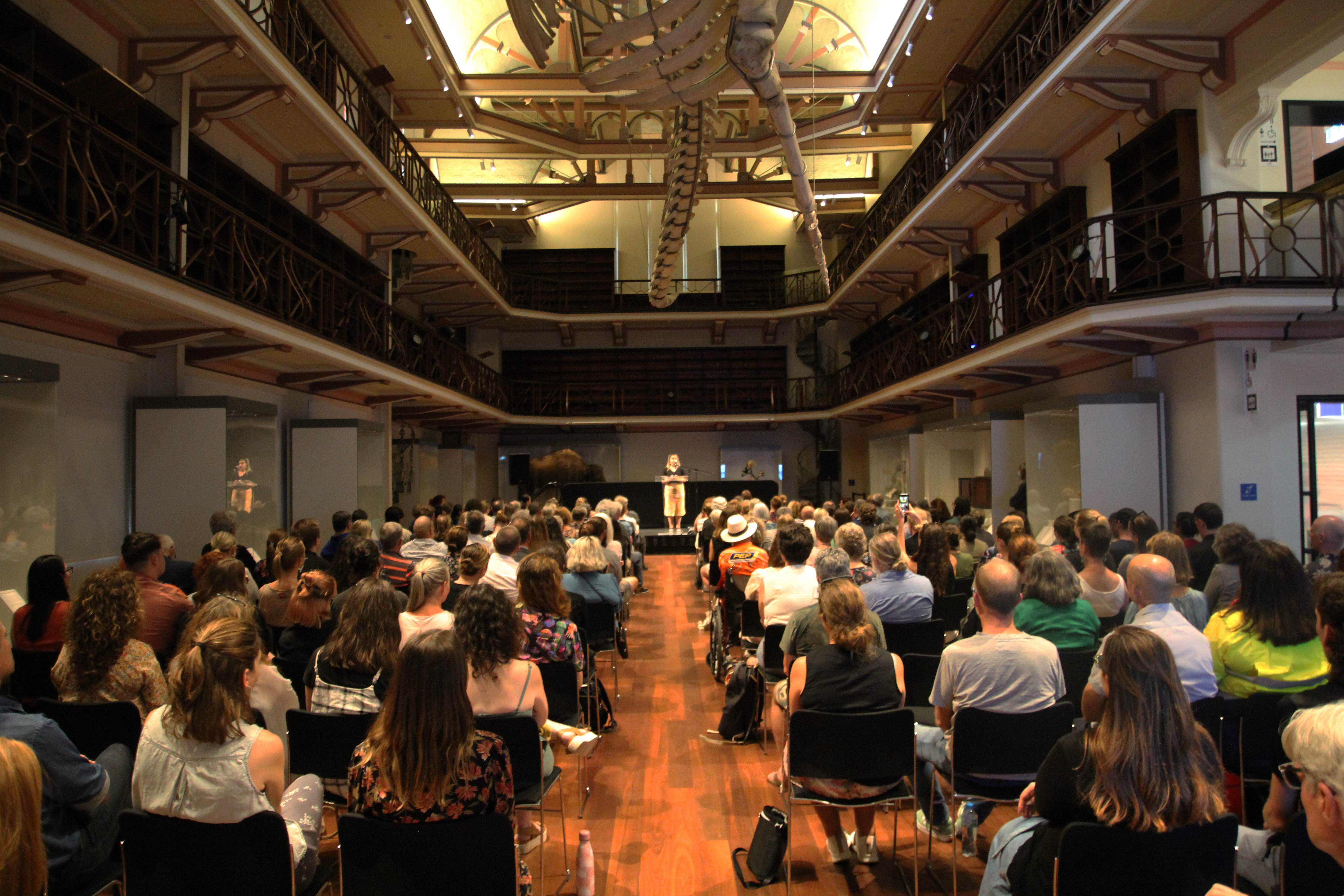
Youth mental health researchers present at ABC science talk
In South Australian schools, students in Grade 4 to 12 are invited to participate in an annual survey about their wellbeing and engagement in school, referred to as the Wellbeing and Engagement Collection.
The Opportunity CoLab is a partnership between The Kids Research Institute Australia and the Minderoo Foundation. CoLab's mission is to bring

Walk through the jungle, hunt for the bear, or do the animal bop this Book Week! Acting out stories is a wonderful way to encourage active play with your child.
To investigate the correlates of adolescent energy drink use using a socioecological approach to inform future interventions.
To investigate in a population-based pediatric cohort: prevalence of moderate-severe diabetic ketoacidosis at type 1 diabetes diagnosis over two decades and its association with long-term glycemic control.
Hematopoietic cell transplantation (HCT) is an effective treatment for pediatric patients with high-risk, refractory, or relapsed acute myeloid leukemia (AML). However, a large proportion of transplanted patients eventually die due to relapse. To improve overall survival, we propose a combined strategy based on cord blood (CB)-HCT with the application of AML-specific T cell receptor (TCR)-engineered T cell therapy derived from the same CB graft.