
Search
Showing results for "clinical trials"

Research focussed on identifying which children will develop asthma, and developing more specific asthma treatments, has been supported by the National Health and Medical Research Council’s (NHMRC) Ideas Grants announced by the Federal Government on 14 December 2022.
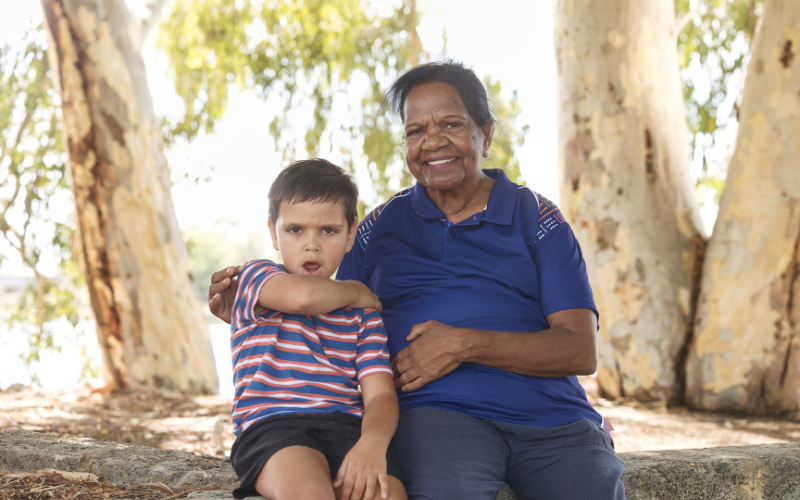
An intensive health promotion campaign which aims to raise awareness of the dangers of a chronic wet cough in Aboriginal children launched this month in Perth.
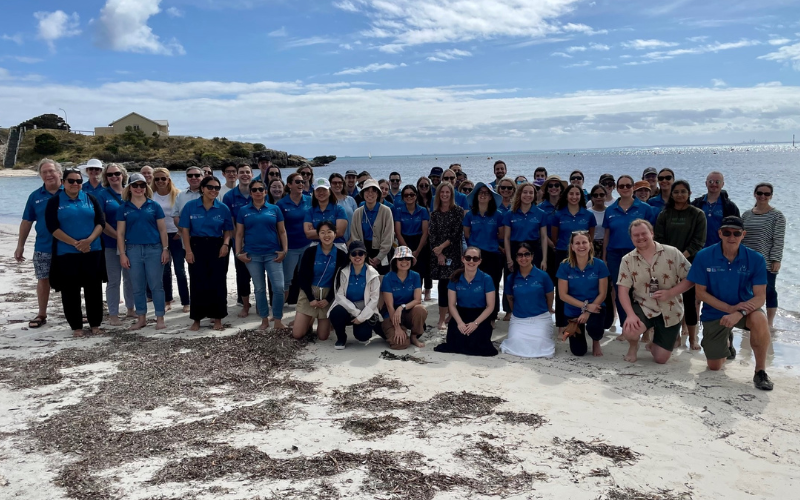
The Wal-yan Respiratory Research Centre's dedicated team members, along with special guests, embarked on a journey to Wadjemup (Rottnest Island) on 9 and 10 November.
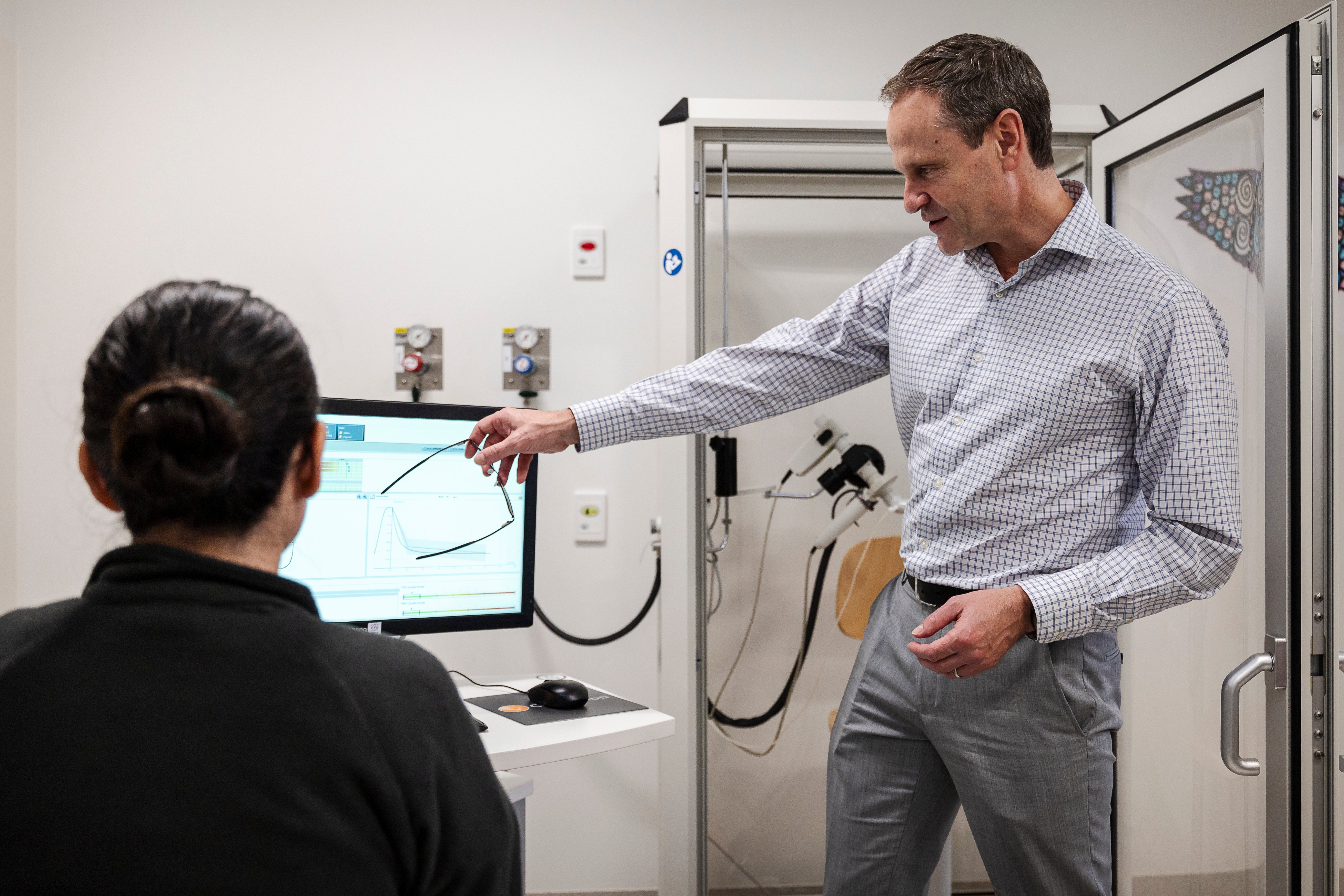
A new paper published in Frontiers in Pediatrics offers clinicians a practical roadmap to improve healthcare outcomes for Indigenous children, starting with respect, communication, and cultural understanding.
Researchers from the Wal-yan Respiratory Research Centre – a powerhouse partnership between The Kids Research Institute Australia, Perth Children’s Hospital Foundation and Perth Children’s Hospital – have received funding from the Channel 7 Telethon Trust for three new research projects.
This study aims to show that asthma and allergies in individuals can be predicted before it occurs based on individual family history and information on the early environment.
Penelope Yael Jacinta Strauss Perry Freeman BA, MPH, PhD BPsych (Hons) MPsych (Clin) PhD BScs, MPH Research Fellow in Youth Suicide Prevention Head,
This study aims to examine the experience of multiple disadvantages in two generations of Australian families, and how these experiences relate to the trajectories of children, the third generation.
The Luminos Project has been co-designed with global experts in youth suicide support, mental health services, and research, alongside input from young people with lived experience, ensuring it meets their needs effectively.
The Kids Research Institute Australia (Jonathan Carapetis) is a member of the new Global Strep A Vaccine Consortium; a global GAS vaccine consortium that will drive strategic planning to anticipate requirements for licensure, prequalification, and policy recommendations.