
Search
Showing results for "early lung health"
Craniospinal irradiation (CSI) is a cornerstone of pediatric brain cancer therapy, yet detailed, reproducible protocols for accurate CSI delivery in preclinical mouse models remain scarce, hindering translational research and the development of radiosensitizing strategies. We aimed to establish a clinically relevant, easily replicable radiation therapy protocol for medulloblastoma mouse models, providing a robust platform for preclinical evaluation of novel therapeutic combinations.

The Institute's Standards for the Conduct of Aboriginal Health Research outline our ways of working with Aboriginal communities and peoples.
To test the utility and acceptability of a novel VR training tool for community health practitioners in assessing diabetes-related foot disease in Aboriginal and Torres Strait Islander people.

Head, Brain and Behaviour Research

Research Data Analyst
Stopping Acute Rheumatic Fever Infections to Strengthen Health
Bullying in schools has been associated with poor academic and mental health outcomes in students. While students are often encouraged to report bullying incidents to school staff, some students avoid reporting incidents as they lack faith in staff members ability to intervene.
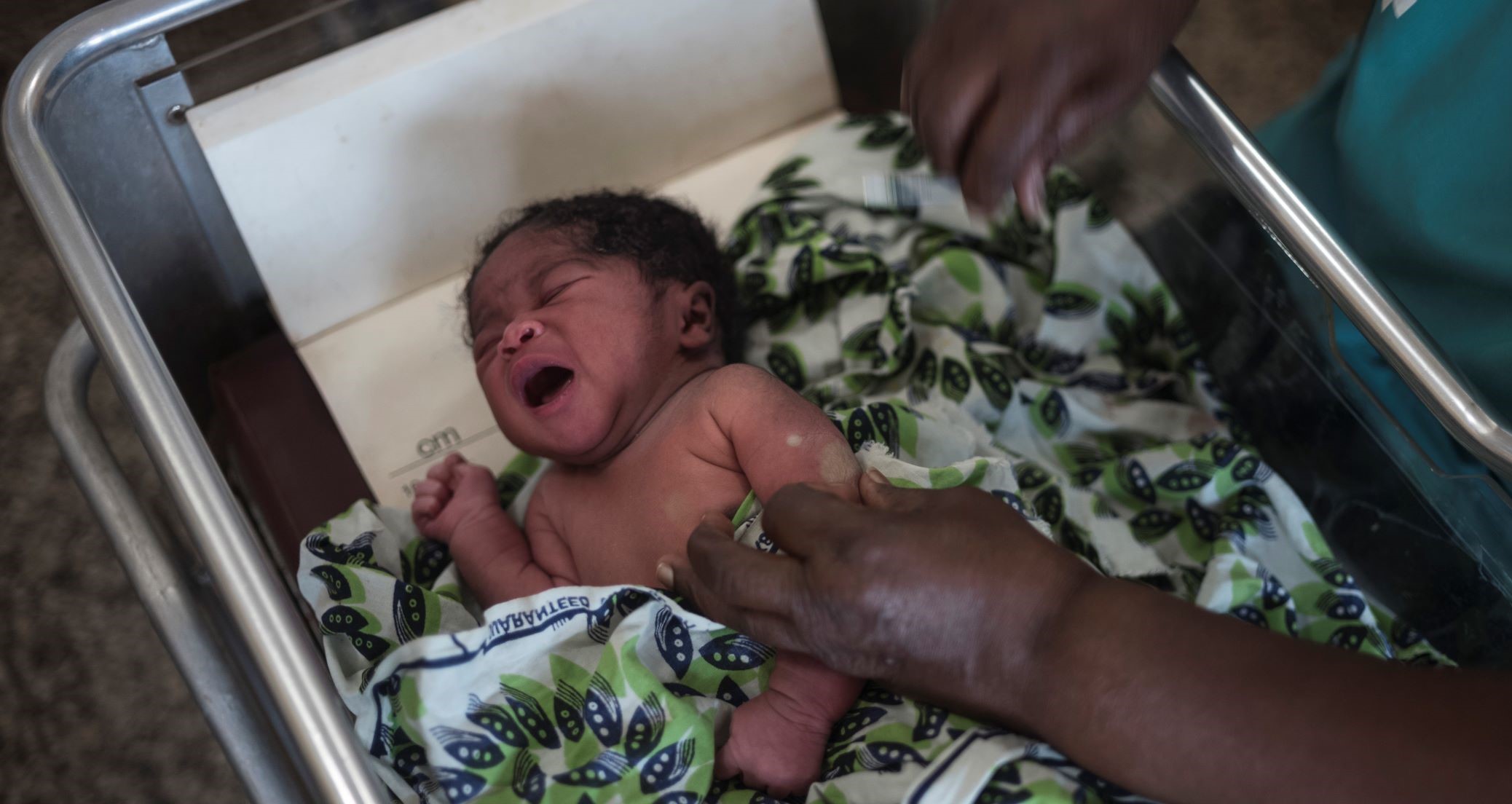
The veteran tuberculosis vaccine BCG has puzzled scientists for decades. Now, The Kids researchers have not only unlocked part of the secret to its success in saving the lives of newborns, but they’re at the forefront of global efforts to test its ability to fight COVID-19.
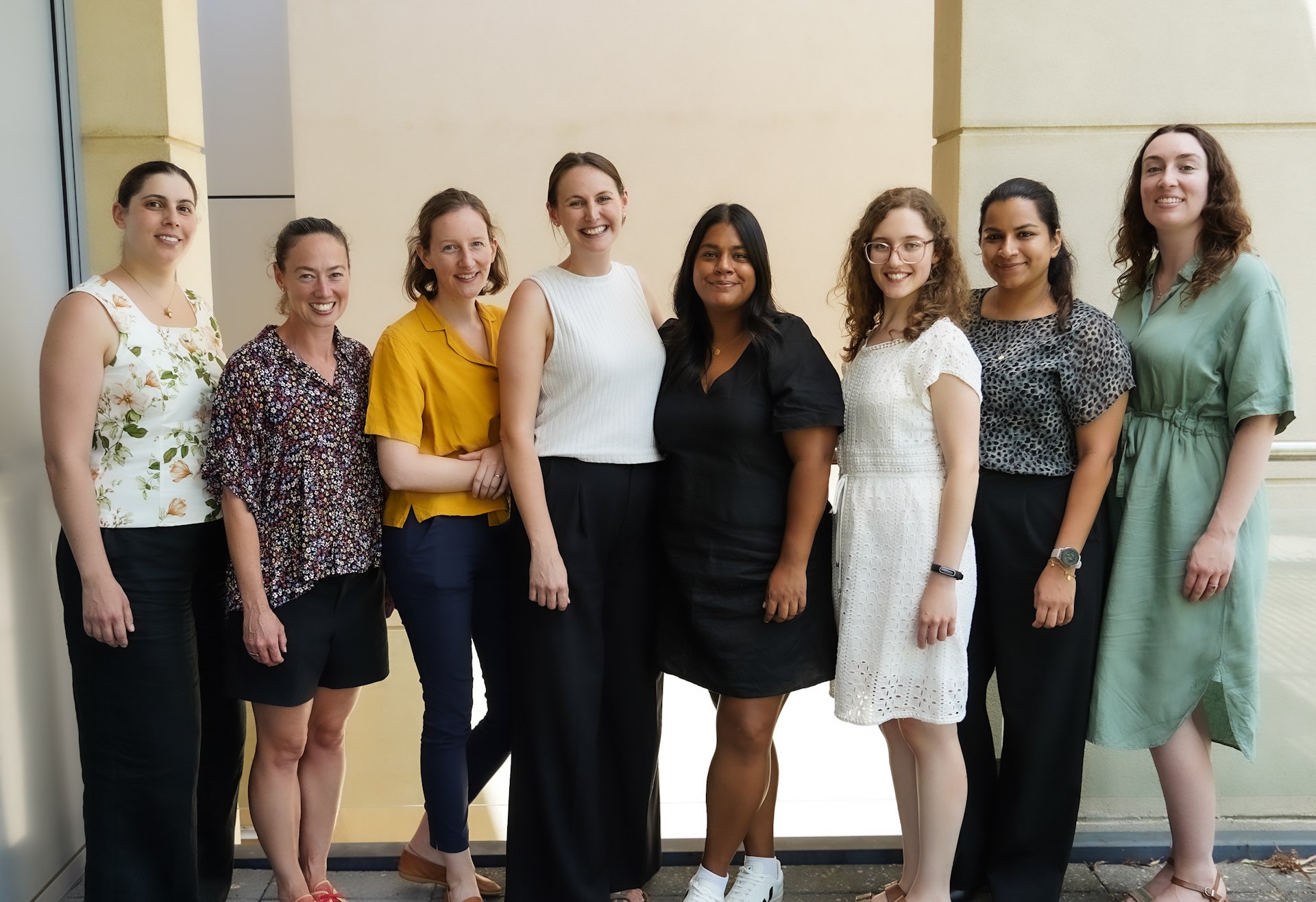
To celebrate International Day of Women and Girls in Science, we asked our research team to share why they became researchers, how autism became their focus and for their top tip for girls interested in pursuing a STEM career.
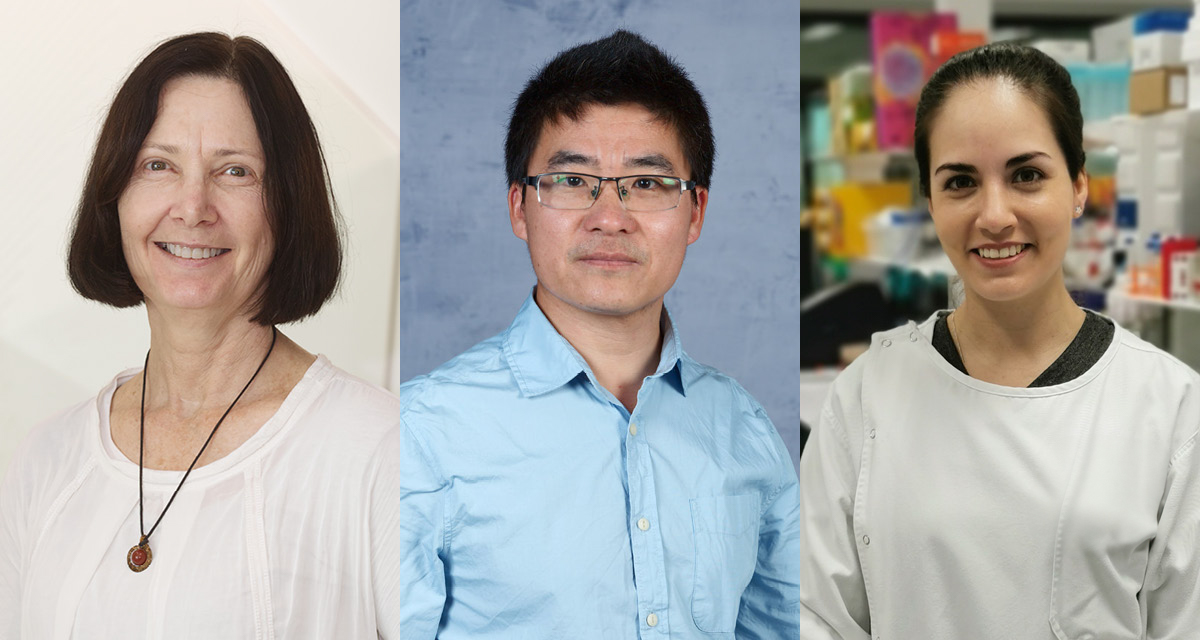
One of the researchers who helped crack the code of 10-year-old Northam girl Charlotte Patterson’s incredibly rare disease has received State Government funding that will allow her to use the same methods to rapidly assess the cases of hundreds more patients living with undiagnosed disease.