
Search
Showing results for "aboriginal respiratory"
Infection accounts for the majority of pediatric mortality and morbidity in developing countries, but there are limited data on the infectious diseases...
Aboriginal children are at greater risk of rotavirus disease than non-Aboriginal children and delayed vaccine receipt is substantially higher
Coming up in 2021 We have a a study to suit every age range in 2021! From babies at just six weeks for the FluBub Study, through to teenagers in
More information For more information regarding the Respiratory Symposium, please contact Dr Hannah Moore.
Aboriginal children and children from lower socio-economic backgrounds were over-represented with OM-related hospitalizations but had fewer TTIs
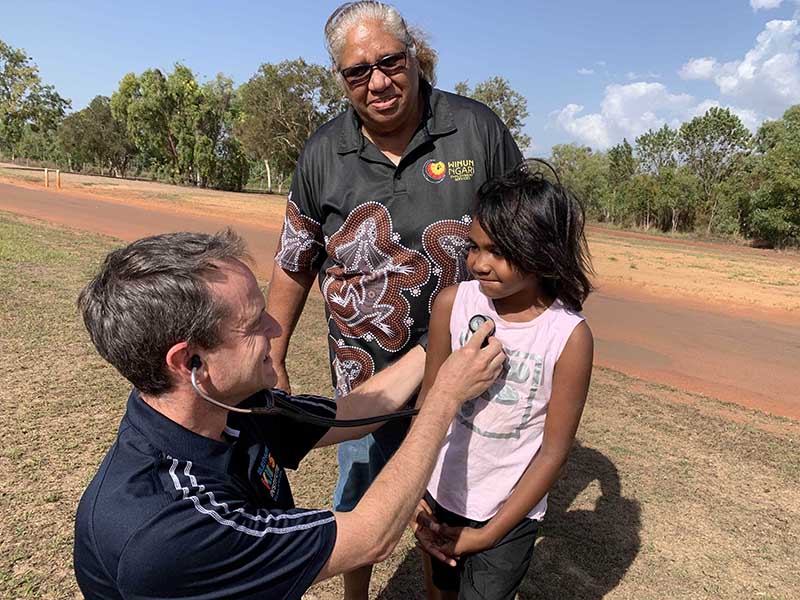
The Kids Research Institute Australia and Perth Children’s Hospital clinician-researchers have found more than one in ten children across four remote Kimberley communities have protracted bacterial bronchitis.
Differences in pneumococcal serotypes, genotypes, and antimicrobial susceptibility between Aboriginal and non-Aboriginal children living in the same area
Respiratory syncytial virus (RSV) is a major cause of respiratory infection with a higher burden in Aboriginal and Torres Strait Islander infants and children. We conducted a pilot qualitative study identifying disease knowledge and willingness to immunise following the changing immunisation landscape for infant RSV in 2024.
This study is a partnership between researchers, the Aboriginal community and government to provide evidence for policy and practice addressing high priority health and wellbeing issues for Aboriginal children and families.
We investigated predictors of nasopharyngeal carriage in Australian Aboriginal and non-Aboriginal children.